Why stored water wins the first ten minutes
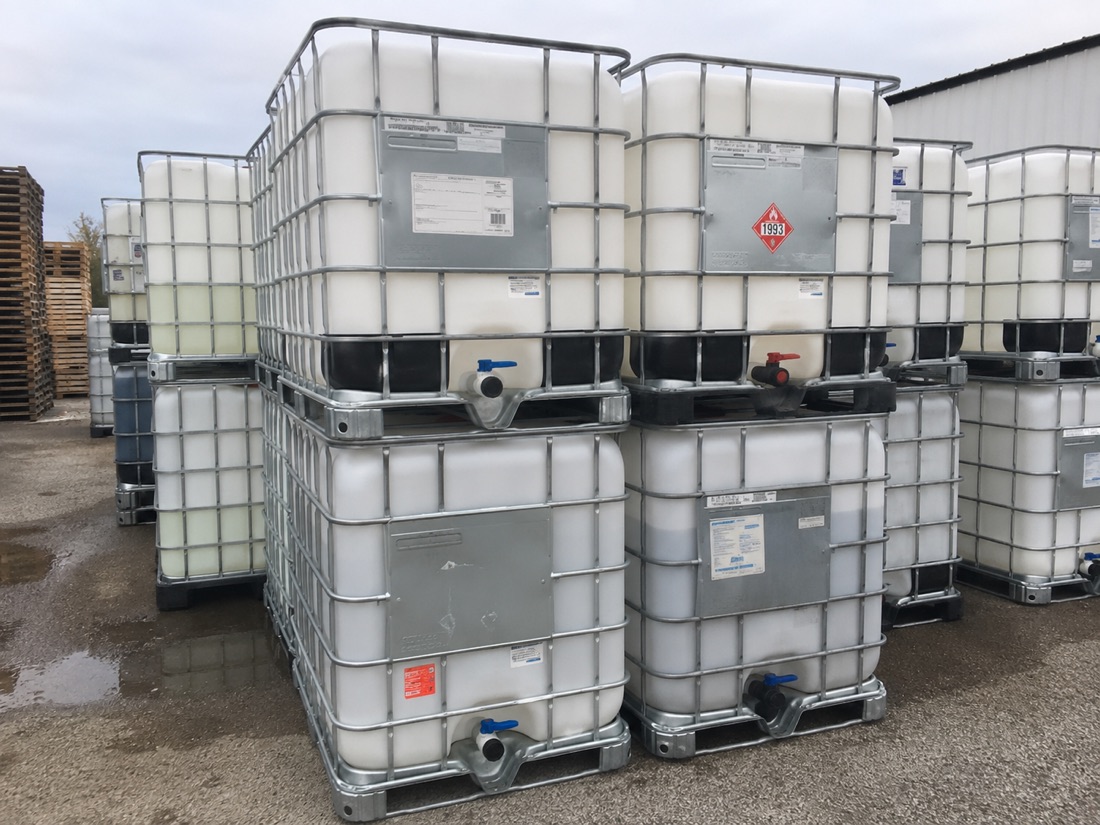
In most rural wildfire scenarios, the fight is not won by the fire department. It is won or lost in the ten minutes before they arrive, by whatever water and hands are already on the property. A single 275-gallon IBC tote holds enough water to knock down embers on a roofline, soak a woodpile that is too close to the house, or keep a spot fire from crossing a fence line.
We have sold totes to ranchers in the Hill Country, to homesteaders in the Sierra foothills, and to volunteer fire crews who stage water where the trucks cannot reach. The pattern is always the same: people who lose structures rarely lose them to the main fire front. They lose them to embers landing on dry fuel hours before or after the front passes. Ember defense is a water problem, and water needs to be stored before the smoke shows up.
If you are new to bulk water storage, our IBC tote guide covers the basics of what these containers are and how they are built.
Sizing your storage
A useful rule of thumb from the defensible-space literature: plan for enough water to wet down your structure's immediate zone and keep a hose running for the critical window. That is more than most people expect.
- One tote (275 gal): ember patrol, spot-fire knockdown, wetting a roof or deck. The minimum worth having.
- Two to three totes (550–825 gal): a garden pump can run a meaningful stream for 20–40 minutes, enough to defend one structure aggressively.
- Four or more totes (1,100+ gal): approaches the volume a small engine carries. This is homestead-scale defense, letting you cycle a pump and hose without immediately running dry.
The math matters because a standard garden hose at household pressure moves roughly 6–12 gallons per minute. A dedicated firefighting pump moves far more and empties a single tote alarmingly fast. Storage is what turns a pump from a novelty into a tool.
Choosing the right tote
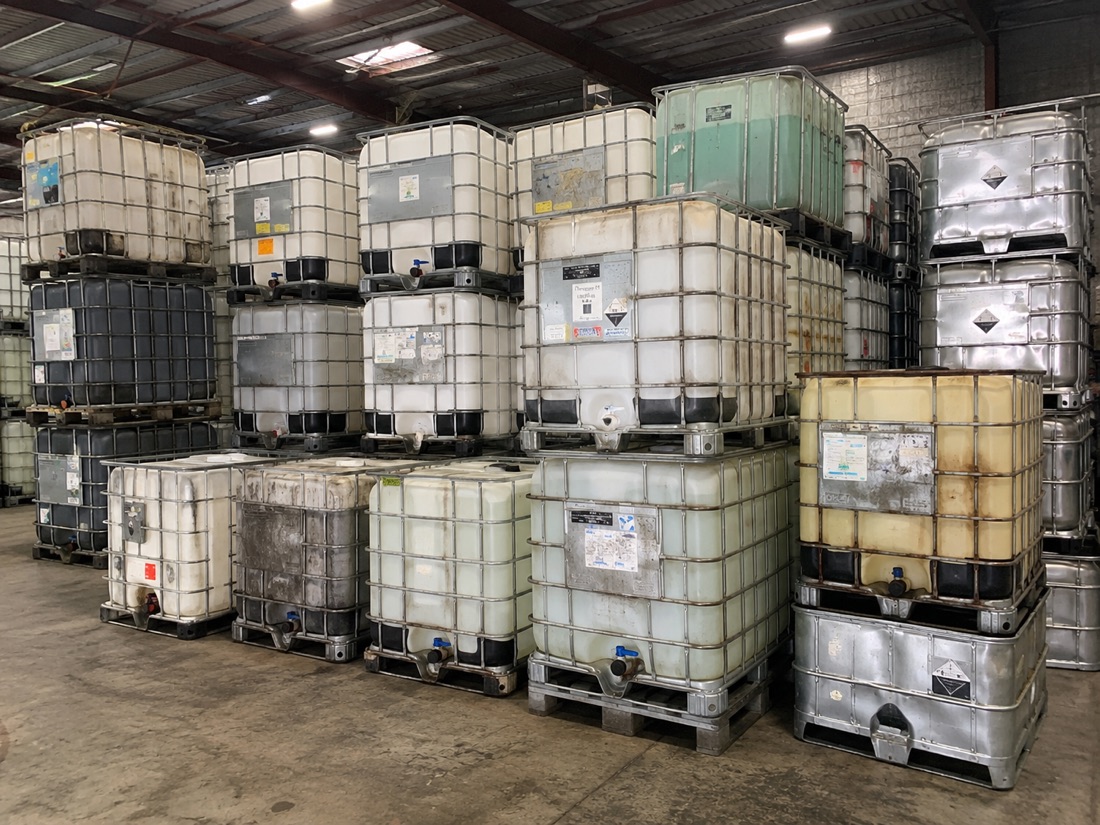
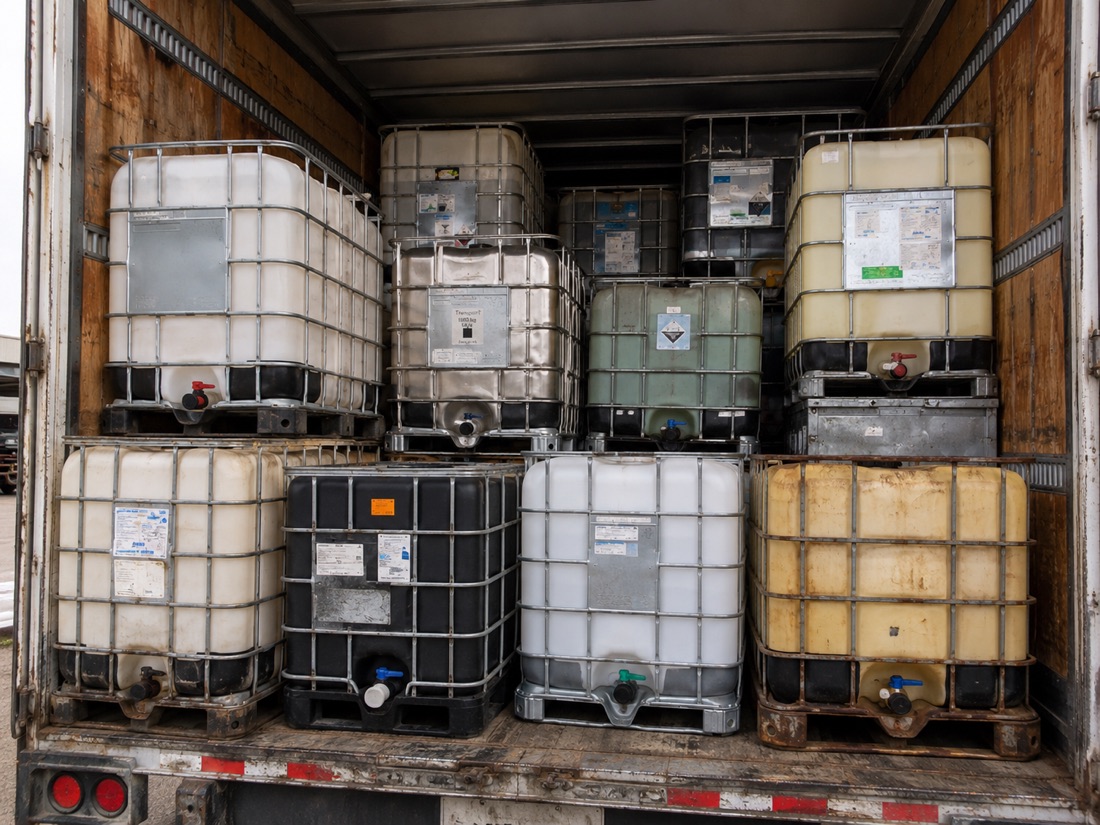
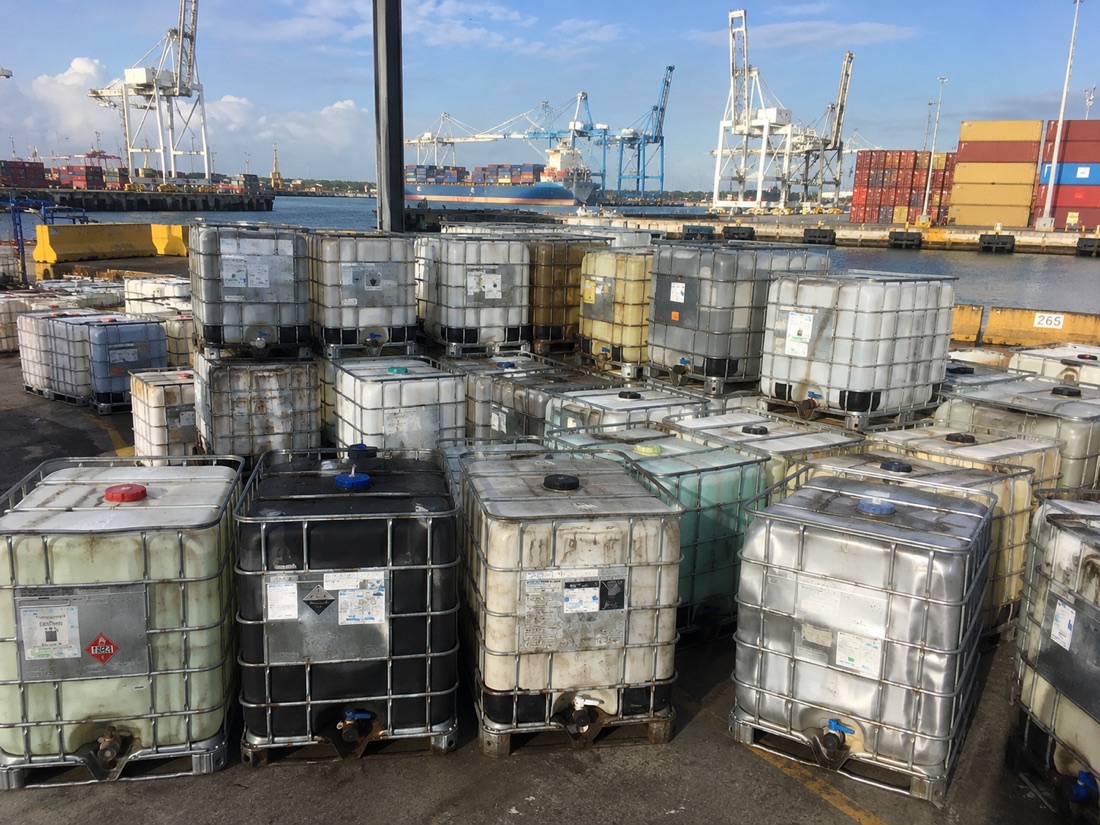
For water defense, a reconditioned IBC tote is usually the smart buy. You are storing water, not a sensitive product, so a food-grade rebottle is not required. What does matter:
| Feature | Why it matters for fire |
|---|---|
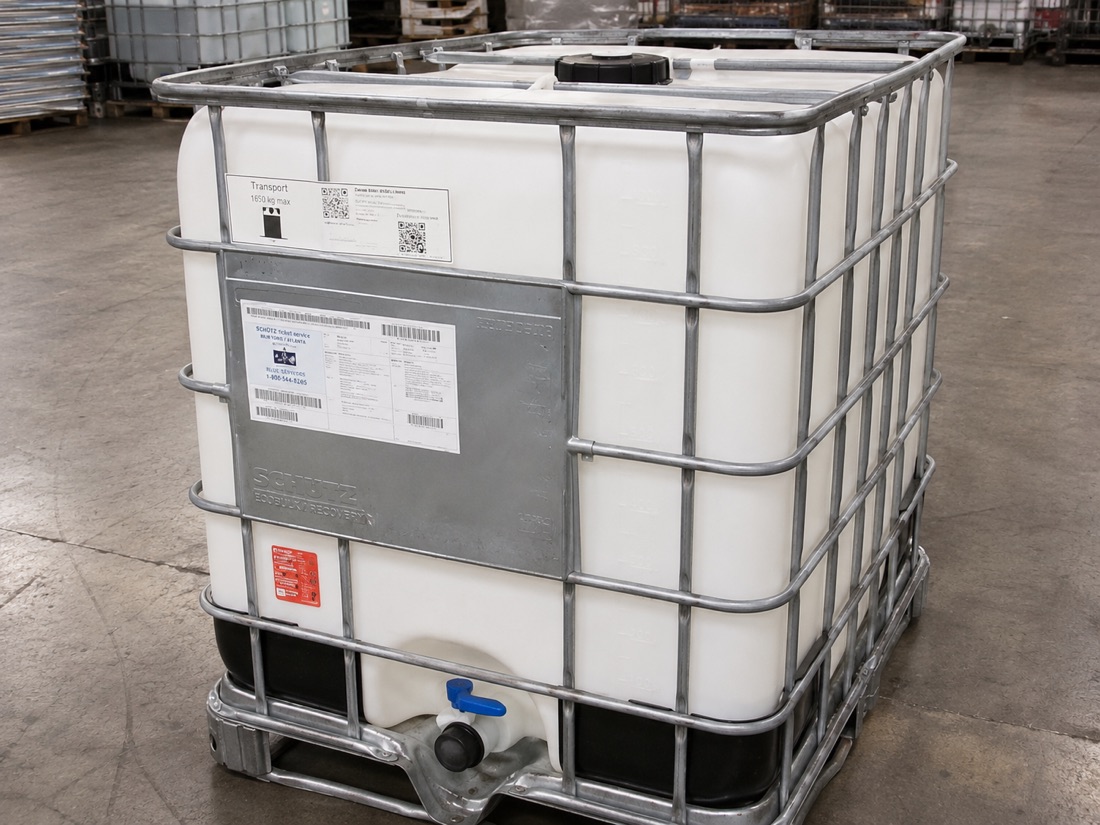
| Sound cage and pallet | The tote may sit full for a year; the cage carries the load |
| UV-stabilized bottle | Sun exposure degrades untreated HDPE over seasons |
| 2-inch NPT valve | Standard fitting for pump intakes and adapters |
| Opaque or shaded siting | Slows algae growth in standing water |
Avoid totes that previously held aggressive chemicals if there is any chance the water will touch skin, animals, or a garden. When in doubt, check our grades reference to understand what a tote's prior life means for reuse.
Siting and plumbing
Placement is a fire decision, not a convenience decision.
- Keep totes clear of the structure but reachable by hose. You want water near what you are defending, not stacked against the wall you are trying to save.
- Elevate for gravity feed if you can. Even a few feet of head pressure means you can run a basic hose without a pump. A tote on a sturdy platform beats one on the ground.
- Standardize your fittings. Adapt the 2-inch valve down to whatever your pump and hose use, and store the adapters with the tote. Fumbling for a bushing while the sky is orange is not a plan. Our accessories page covers valves and adapters.
- Leave the lid loosely vented. A sealed tote in the sun can deform; a bit of venting prevents pressure and vacuum problems, but keep debris and mosquitoes out with a screen.
Keeping the water usable
Stored water is not fill-and-forget. For fire suppression alone, potability is irrelevant, but you still want water that flows freely and does not clog a pump.
- Refresh or agitate the water annually if the tote sits shaded.
- If the tote is in sun, expect algae; a small amount of unscented chlorine bleach (household strength) suppresses growth without harming a metal pump. Do not overdo it if the water may later irrigate plants.
- Screen the outlet or use a foot valve so sediment does not reach the pump impeller.
- In freezing climates, do not fill totes solid for winter storage. Ice expansion cracks bottles. Leave headspace or drain seasonally.
A layered plan, not a silver bullet
We are careful about how we talk about this, because a tote is not a fire department. Defensible space, cleared gutters, ember-resistant vents, and an evacuation plan all come first. Water storage is the layer that lets a person act in the gap between the fire and the professionals.
The best outcome we have heard from a customer: two totes and a small pump kept embers off a barn roof long enough for the family to leave safely and for the structure to survive. No heroics, just water that was already there.
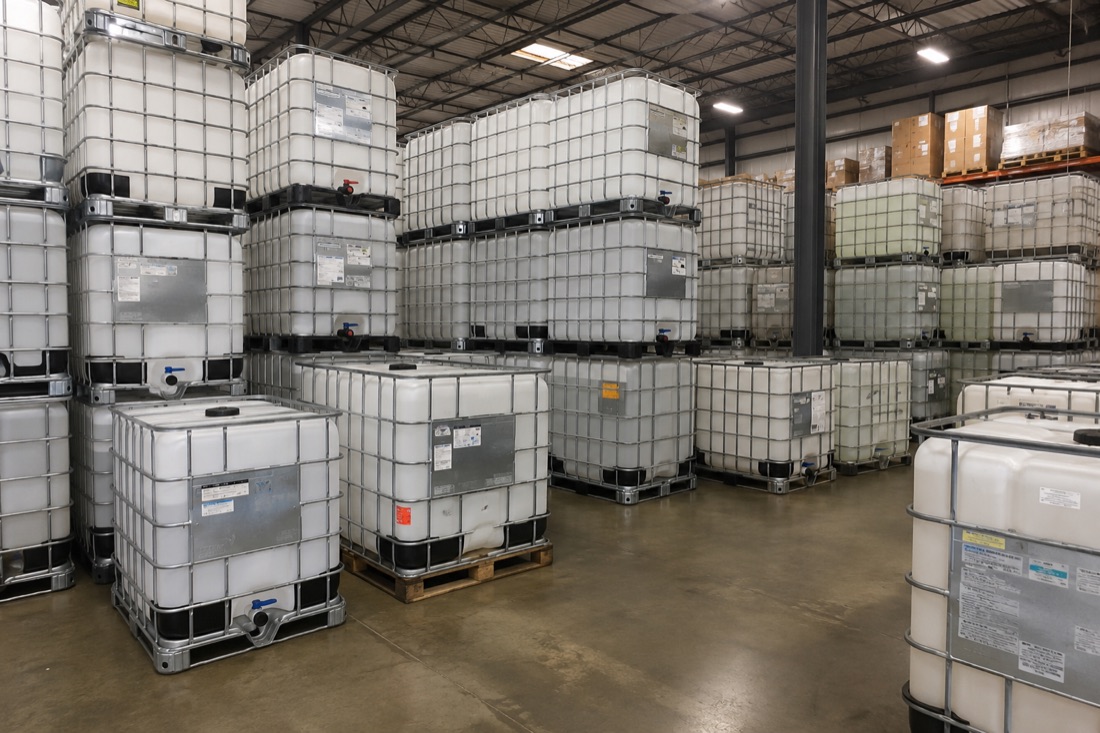
If you decide totes are part of your plan, the practical move is to buy in the off-season when supply is easy and prices are lower, not in July when everyone on your ridge has the same idea. We stage reconditioned totes for exactly this kind of pre-season buying.
For sizing help, our capacity calculator can translate gallons into a tote count, and if you want to talk through a homestead setup, reach out to us. We would rather help you plan quietly in spring than scramble in fire season.
Store the water before you need it. That is the whole lesson.