IBC Tote Frequently Asked Questions
Everything buyers and sellers ask us most — pricing, food-grade stock, grades, minimums, shipping, selling empties, payment, and the eco math. Don't see your question? Email us; we reply within one business day.
Get Your Free Quote
Buying, selling, or just curious what your totes are worth? Tell us what you need — we reply within one business day.
Do you buy used IBC totes?
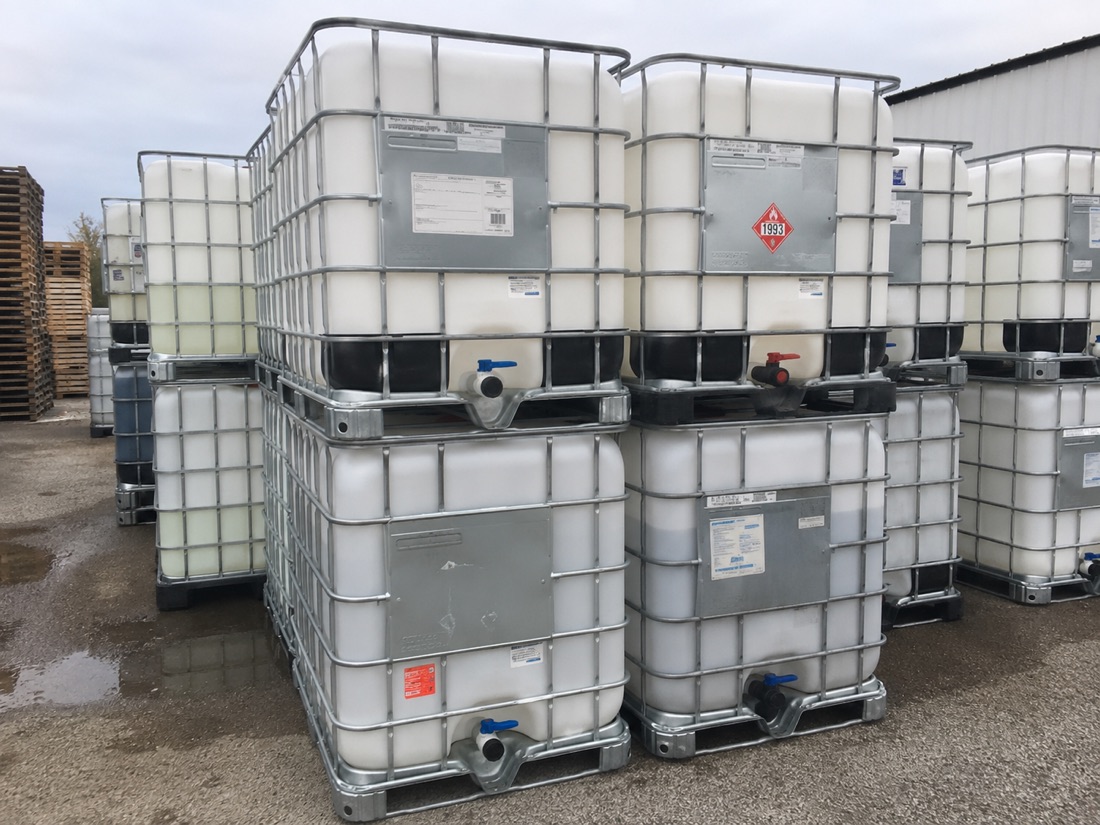
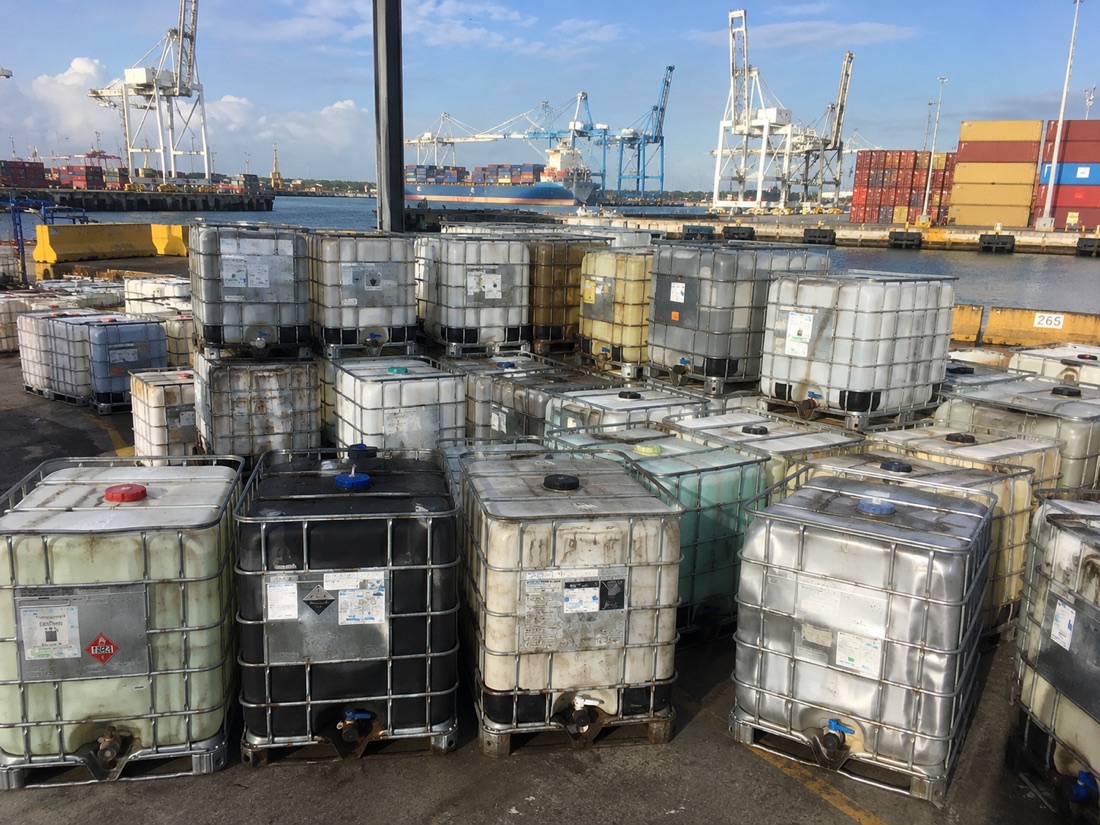
Yes. We buy used IBC totes in bulk, by the pallet, and by the truckload nationwide through our buyback program. Send your quantity, prior contents, condition, and ZIP and we usually quote pickup within one business day. Rinsed, drained totes with documented history earn the most.
How much does a used IBC tote cost?
Reconditioned 275 and 330 gallon totes typically range from about $75 to $180, depending on grade, prior contents, quantity, and delivery distance. Food-grade and rebottled Grade A units sit at the top; as-is Grade C at the bottom. Buying by the pallet lowers the per-tote price. Request a live quote for exact numbers.
Are your IBC totes food-safe?
Food-grade totes are available. A food-grade tote held only food-safe products across its life and has been washed and certified. Ask for food-grade stock by name and we provide prior-contents disclosure. Never use a tote with unknown or non-food history for food or drinking water — see the grades guide.
What is the difference between 275 and 330 gallon totes?
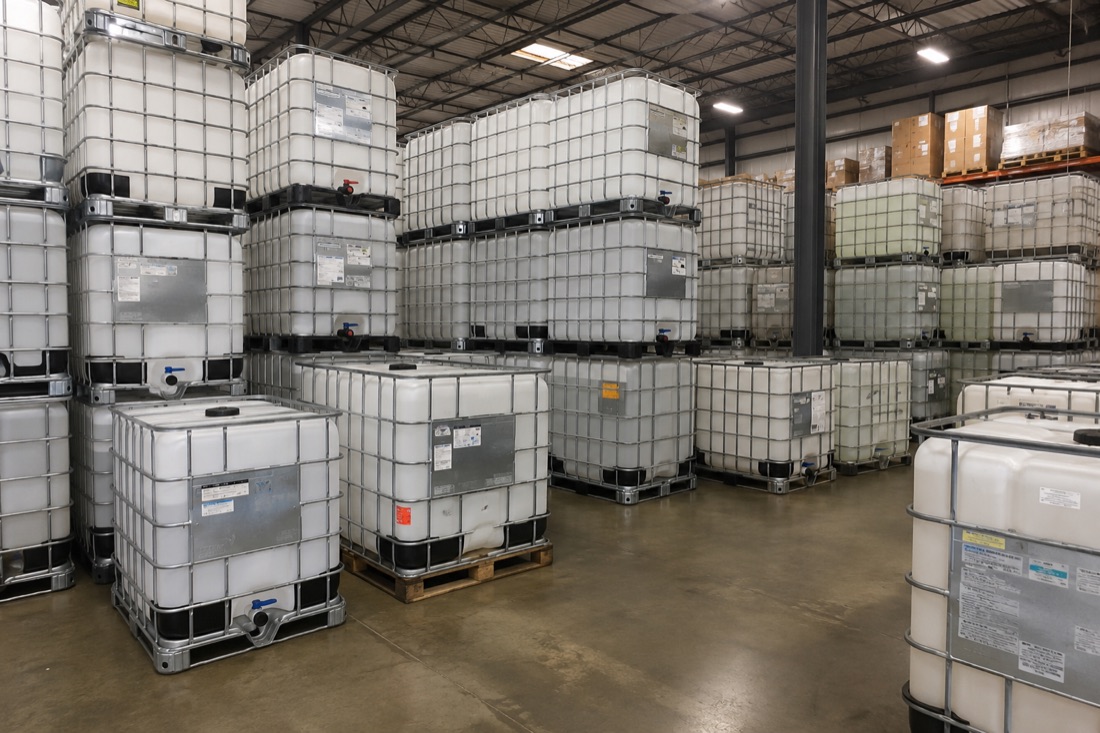
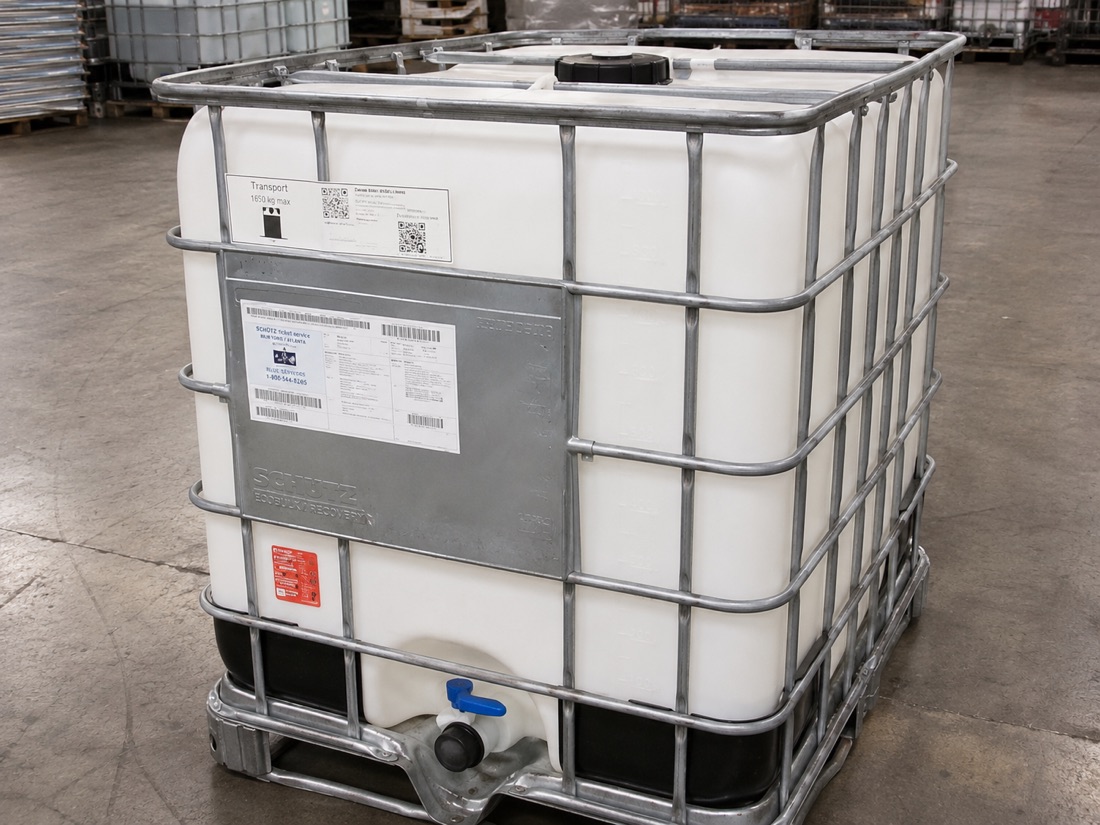
Both share the same ~40x48 inch footprint. The 330 stands taller (~53" vs ~46") and holds 55 more gallons per pallet spot; the 275 is the most common and available size. We break it down fully in 275 vs 330 Gallon and on the sizes page.
What do the grades A, B, and C mean?
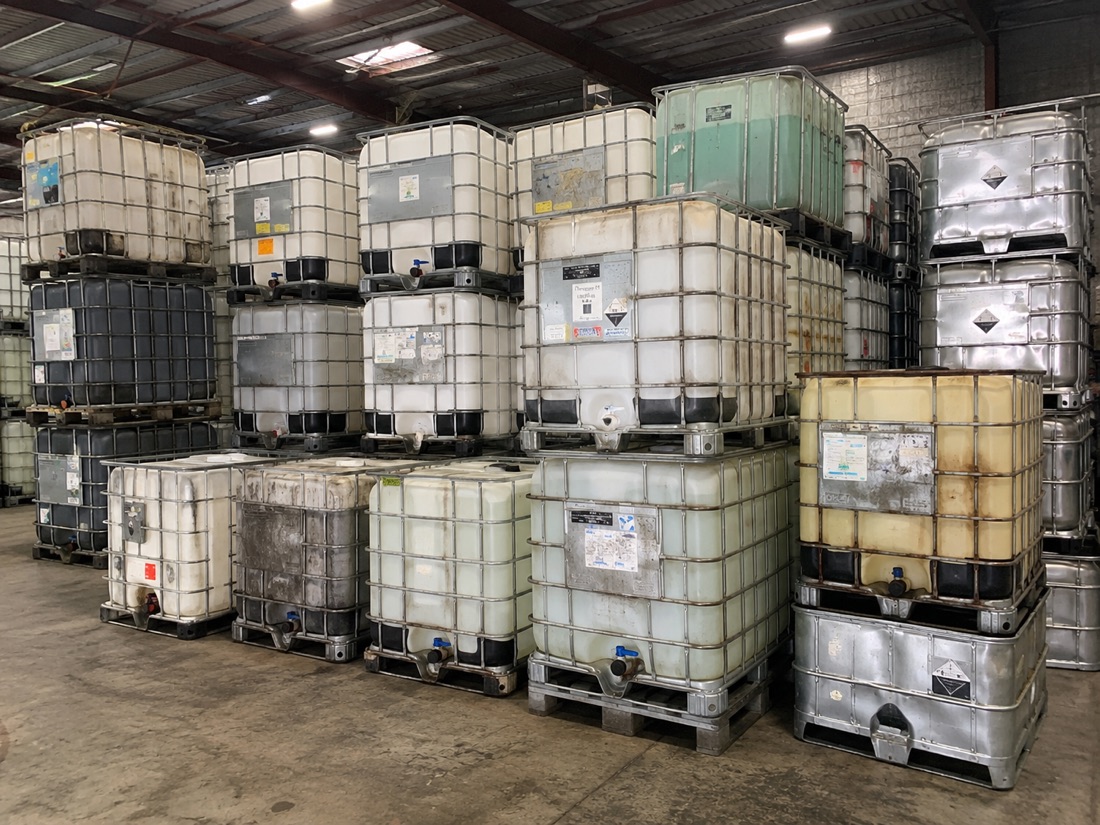
Grade A is washed or fully rebottled (nearly like-new); Grade B is rinsed and drained for non-potable use; Grade C is sold as-is for repurposing. Food Grade sits above them all. Full breakdown in Grades Explained.
Do you have a minimum order?
We sell single totes up to full truckloads. There's no hard minimum, but freight favors buying by the pallet or truckload — per-tote shipping drops sharply with volume. For one or two totes, local pickup or consolidated freight is usually best.
How much can I fit on a truck?
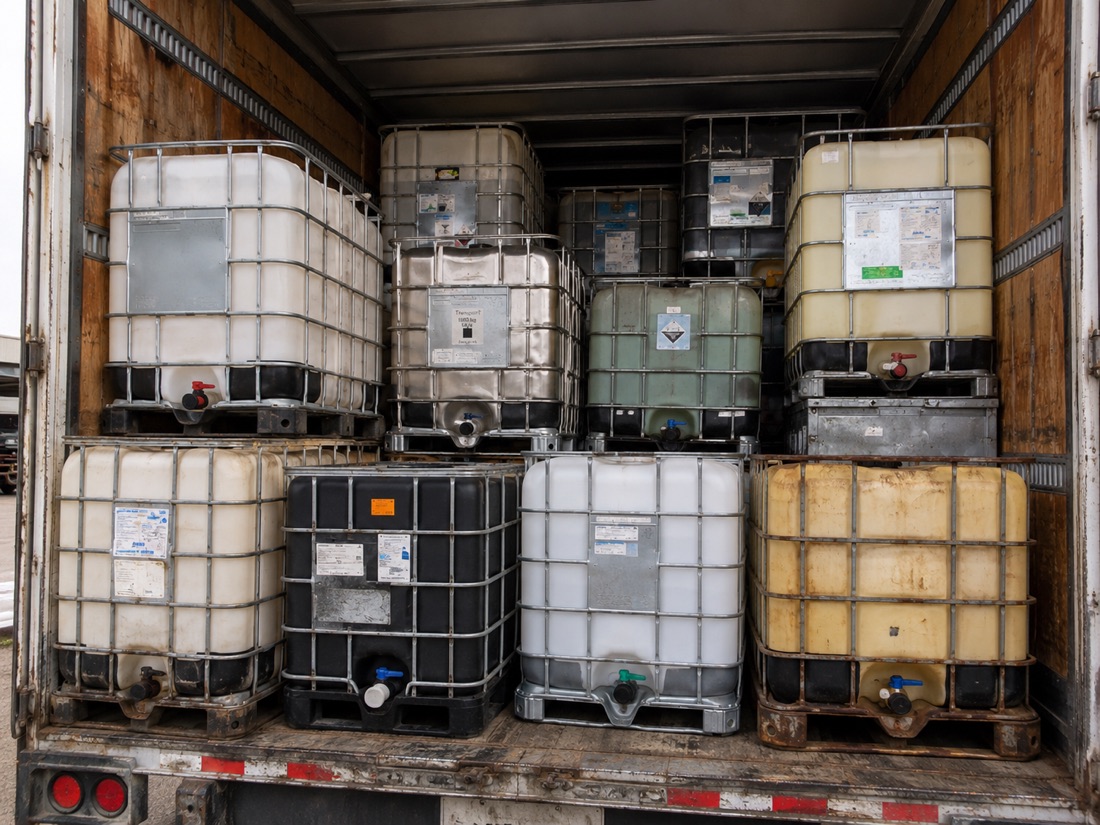
A standard 53-foot dry van holds roughly 40–48 totes stacked two high, depending on height and weight limits. We arrange both LTL and full-truckload freight through our logistics team.
Do you ship nationwide?
Yes — all 50 states, LTL and full truckload, including reverse logistics to collect empties you're selling. See nationwide shipping.
How do I sell my empty totes to you?
Send quantity, prior contents, size, condition, and ZIP through our form. We quote a buyback price and schedule pickup, usually within one business day. Details on the sell your totes page.
How do you pay for totes you buy?
Payment terms are arranged when we confirm your buyback quote, typically settled at pickup or delivery. Recurring suppliers can set up a standing arrangement — just ask when you request your quote.
Can I get new (first-use) IBC totes instead of used?
Yes — we stock brand-new composite totes for applications that require zero prior history, with full UN/DOT ratings. See new IBC totes.
What can I safely store in an IBC tote?
HDPE handles water, most acids, bases, salts, water-based chemicals, oils, and food-safe products (in food-grade totes). Avoid aggressive solvents, strong oxidizers, and volatile fuels not rated for the tote. Full rundown in the safety guide.
What do the UN/DOT markings on a tote mean?
The stamped UN code (e.g. UN 31HA1/Y) certifies the container type and hazard class it's approved to carry. We decode every segment in the safety & compliance guide.
Can I use a tote for rainwater or a garden project?
Absolutely — as-is Grade C totes are ideal and cheap for rainwater harvesting, irrigation, and DIY builds (use food-grade for anything you or animals will drink). See our 27 upcycling ideas and ready-made upcycled goods.
Why buy reconditioned instead of new?
Up to 60% lower cost, a fraction of the manufacturing energy, and about 100 lbs of material kept out of the landfill per tote — with the same UN/DOT ratings available. Run your numbers in the eco calculator or read our sustainability method.
How do I reach you? Do you have a phone number?
We work by email so every request is documented and routed correctly — we don't publish a phone line. Use the form on any page or the contact page and we reply within one business day.
How long does an IBC tote last?
A well-built composite tote is engineered for many years and dozens of fill-empty-clean cycles, and reconditioning adds 5+ more years to a used one. UN/DOT-rated totes also carry retest dates for regulated transport. Storing them shaded and off the ground extends life — see the complete guide.
What is the difference between reconditioning and recycling?
Reconditioning keeps a tote whole and returns it to service; recycling shreds and melts the material. Reuse beats recycling because it preserves the energy already invested in the tote. We break down all nine steps in how totes are reconditioned.
What size is the valve and fill cap on an IBC tote?
The bottom discharge is usually a 2-inch valve with a coarse-thread (often S60x6) or camlock outlet; the top fill port is commonly 6 inches with a vented screw cap. Adapters bridge almost anything — see parts & accessories.
Can I stack IBC totes?
Yes — stack loaded composite totes no more than two high, only on sound cages on level ground, and never on a damaged frame. Full rules in the safety guide.
Do you offer rebottled totes?
Yes — a rebottled Grade A tote pairs a brand-new HDPE bottle with an inspected used cage and base: like-new inside, used-tote price. See Grades Explained.
How should I clean an empty tote before selling it?
Drain and rinse the bottle, then drain again. You don't need to caustic wash it yourself — that's our job — but clean, drained totes with documented history earn the most on our buyback program.
Can I use an IBC tote to store rainwater for drinking?
For irrigation, any grade works. For drinking water you need a genuine food-grade tote with documented food-only history — never an industrial one. See the grades guide and our food-grade inventory.
How much does a new IBC tote cost compared to reconditioned?
Reconditioned runs up to ~60% less than new, and performs identically for most jobs. New earns its premium only when zero prior history is required. Compare new and reconditioned.
What is the environmental benefit of buying a reconditioned tote?
About 90% less energy than a new tote and ~100 lbs of HDPE and steel kept out of the landfill per unit — and reuse beats recycling. Run your numbers in the eco calculator or read the sustainability method.
Do you have a physical location I can visit?
We're based in Austin, Texas (7000 Burleson Rd, 78744) and ship the whole lower 48. Reach us through the contact page — we reply within one business day.
What happens to totes that cannot be reconditioned?
Nothing is wasted — frames and parts feed our upcycled goods and material recovery through our recycling service. Even a failed tote stays out of the landfill.
Dig deeper before you decide
Our guides go well beyond the quick answers above.
Where to look next, by question
What is an IBC tote?
Anatomy, materials, sizes, food-grade vs industrial, and reading a prior-contents label — all in one pillar guide.
Read the guide →CleanlinessWhich grade do I need?
Food Grade, A, B, and C — what each cleaning level means and how to pick the cheapest one that fits your job.
Compare grades →Doing it rightIs it safe for my product?
UN/DOT markings, HDPE compatibility, grounding, stacking, and a pre-fill inspection checklist.
Check safety →Sizing275 or 330 gallon?
Same footprint, different height and weight. A side-by-side to settle the size decision.
See the comparison →SellingGot empties to sell?
How the buyback works, what clean documented totes are worth, and how pickup is scheduled.
Sell your totes →FreightHow does shipping work?
LTL and full-truckload freight to any ZIP in the lower 48, both directions.
See transportation →The question we love most: does it help the planet?
Every reconditioned tote uses roughly 90% less energy than a new one and keeps about 100 lbs of HDPE and steel in service instead of a landfill. Reuse beats recycling because it skips the grinding and melting entirely. Buy used, sell your empties, upcycle the rest — every path closes the loop.
If it's not answered above, just ask. We work by email so every request lands with the right person and gets a real answer — usually within one business day.
Ready to keep totes in the loop?
Tell us what you've got or what you need. One form, one business day, zero landfill.