Most common
Composite / Caged
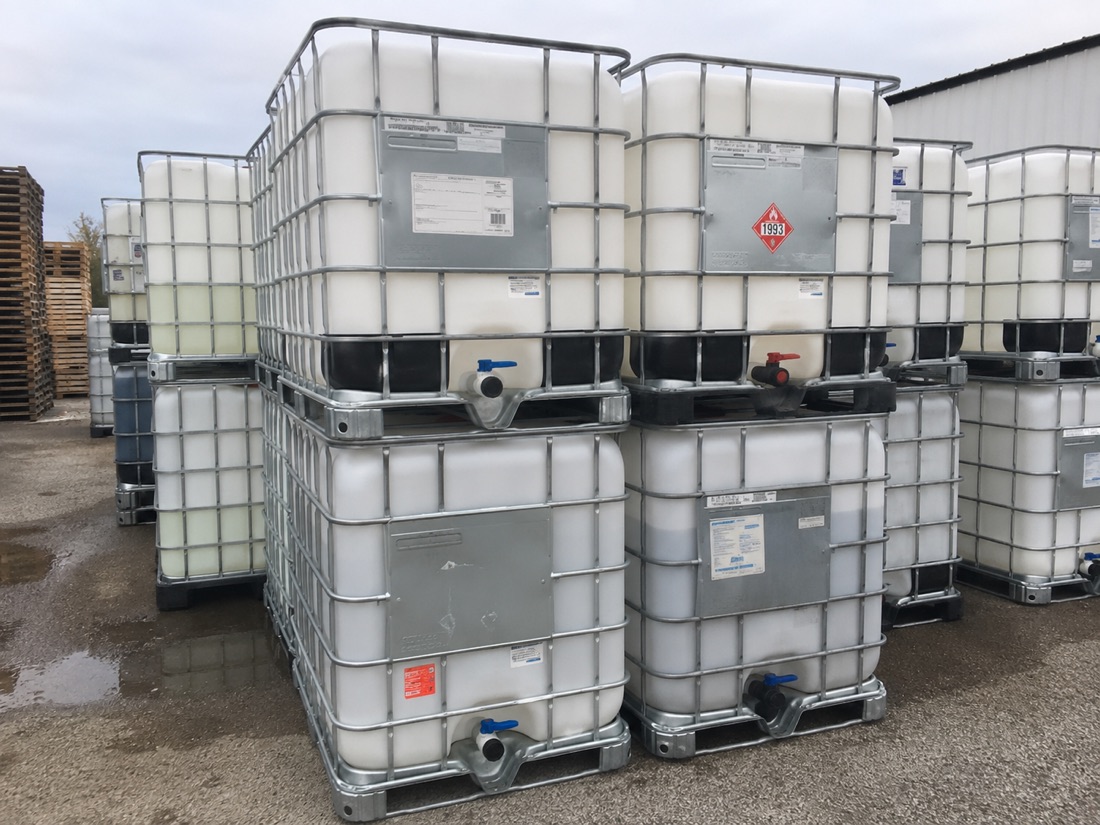
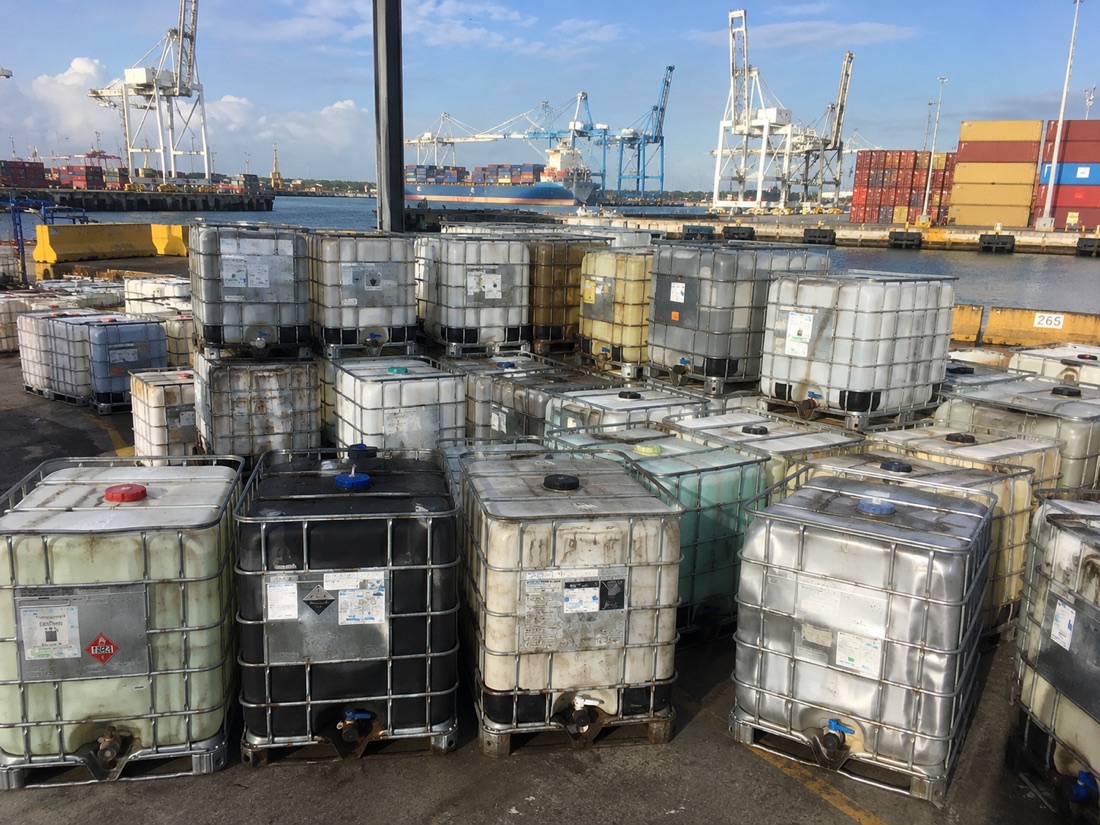
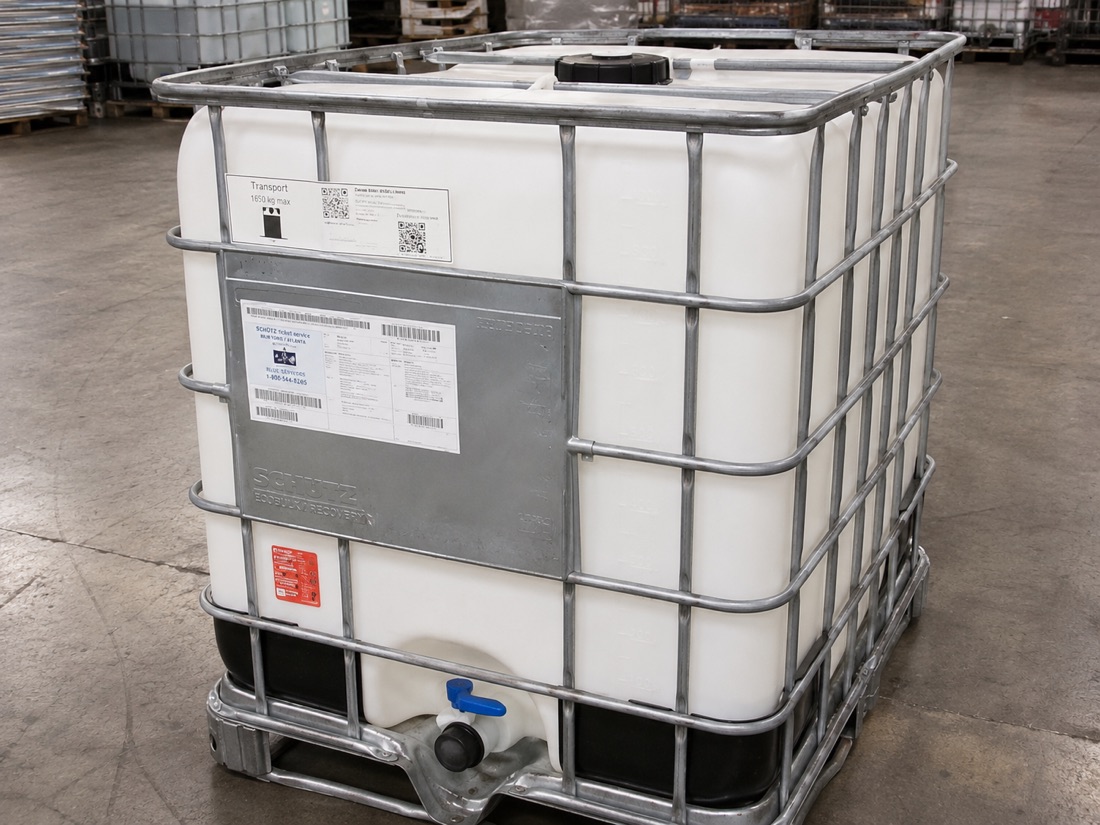
The default IBC: a translucent HDPE bottle in a galvanized steel cage on a pallet base. Cheap to buy, easy to reuse, and the backbone of our yard. Available reconditioned or new.
An intermediate bulk container is not one thing. Composite caged totes handle most of the world's liquid, but food-grade, stainless, carbon steel, and foldable designs each earn their place. Here is the full catalog with a side-by-side comparison so you can match material to mission.
Buying, selling, or just curious what your totes are worth? Tell us what you need — we reply within one business day.
An IBC — intermediate bulk container — sits between a drum and a bulk tank, typically holding a few hundred gallons in a stackable, forkliftable footprint. The word covers plastic bottles in steel cages, all-metal tanks, and collapsible designs. Below, each type with the trade-offs that matter.
| Type | Material | Capacity | Best for | Reusability |
|---|---|---|---|---|
| Composite / Caged | HDPE bottle in galvanized steel cage | 275 & 330 gal | General liquids, agriculture, water, most bulk transfer | Excellent — reconditions many times |
| Food-Grade | FDA-compliant HDPE, prior food-only service | 275 & 330 gal | Edible ingredients, potable water, beverages | Excellent — washed & re-certified |
| Stainless Steel | 304 / 316 stainless bottle & frame | 110 – 550 gal | Aggressive chemistry, hot fill, CIP, pharma & food | Outstanding — decades of service |
| Carbon Steel | Coated/lined carbon steel | ~350 gal | Flammables, solvents, fuels needing metal containment | Very good — reline & recoat |
| Rigid / Foldable | HDPE or collapsible frame designs | 110 – 330 gal | Return logistics, space-saving empties, semi-solids | Good — foldables cut return freight |
Exact dimensions, tare weights, and pallet footprints are on the sizes & specs page.
The default IBC: a translucent HDPE bottle in a galvanized steel cage on a pallet base. Cheap to buy, easy to reuse, and the backbone of our yard. Available reconditioned or new.
Composite totes that only ever held food-safe product, then washed and certified. The right pick for syrups, oils, beverages, and potable water. Ask for food-grade stock when you request a quote.
304 or 316 stainless tanks stand up to aggressive chemistry, hot fills, clean-in-place cycles, and pharma-grade hygiene. Higher upfront cost, but decades of reuse make them the most circular option of all.
Lined or coated carbon steel IBCs suit flammables, solvents, and fuels that need metal containment and grounding. Relinable and recoatable for long service life.
Collapsible designs flatten when empty, slashing the freight cost of returning containers — a real sustainability win for closed-loop supply chains and reverse logistics.
Whatever type you run, valves, caps, gaskets, and cages wear out before the tote does. Replace them from our accessories catalog and extend every container's life.
The greenest IBC is the one already made. Once you have picked a type, choose reconditioned wherever your product allows, and read our sustainability approach.
The workhorse tote is four simple systems. Understanding each one tells you what wears out, what to spec, and what keeps a container in service for years.
A blow-molded high-density polyethylene bottle holds the liquid. Translucent walls let you read the level at a glance, and the material is rated for thousands of fill cycles.
A welded galvanized steel grid takes the structural load, allows stacking, and protects the bottle. Bend it and it’s a re-cage away from full service.
A 6-inch NPS opening with a vented or non-vented lid handles filling and venting. Vent it on gravity draw-off to avoid vacuum collapse.
A 2-inch discharge on an S60x6 buttress thread, seated on a plastic, steel, or combo pallet base for forklift and stacking access.
Water, feed, and mild industrial liquids run fine in composite HDPE. Aggressive solvents, hot fills, and CIP hygiene point to stainless; flammables and fuels to carbon steel; edibles to food-grade.
Shipping hazmat on public roads needs an intact UN mark — which usually means a new UN-rated tote. Non-regulated product opens the door to cheaper reconditioned stock.
Match capacity to your fill schedule. A 330 moves more per trip; a 275 is easier to handle full. Foldables shine when you must ship empties back.
Unless chemistry or an audit demands zero history, choose reconditioned — same performance, a third of the cost, roughly 90% less embodied energy.
The word “IBC” hides a real materials decision. Each construction trades cost, chemical compatibility, temperature range, and reusability differently, and getting it wrong shows up as a leak, a failed audit, or a container that dies years early.
High-density polyethylene resists most acids, bases, salts, and water-based formulations, and it is cheap, light, and endlessly reconditionable. Its limits are heat, UV over long outdoor exposure, and strong oxidizers or certain solvents. For the majority of the world’s bulk liquid, it is simply the right answer — which is why it dominates our reconditioned and new stock.
304 and 316 stainless shrug off aggressive chemistry, sterilize cleanly, and tolerate hot fills and pressure. The 316 grade adds molybdenum for chloride and salt resistance. The upfront cost is high, but a stainless IBC can serve for decades, giving it the lowest lifetime footprint per fill of any option.
Lined or coated carbon steel provides metal containment and electrical grounding for flammables, solvents, and fuels. Relining and recoating extend service life well beyond a single campaign.
The greenest container is rarely the fanciest one. It is the one that fits your liquid on the first try and then gets reused until it physically cannot be — which is exactly how we run the yard.
The full primer on what an IBC is, how it’s built, and how to choose.
Read the guide →A head-to-head on the two core sizes so you pick the right capacity.
Compare sizes →Valves, caps, adapters, gaskets, cages, and bases to keep any type running.
Shop parts →Tell us your liquid, capacity, and any UN or food-grade requirement. We'll match the right type and quote within one business day.
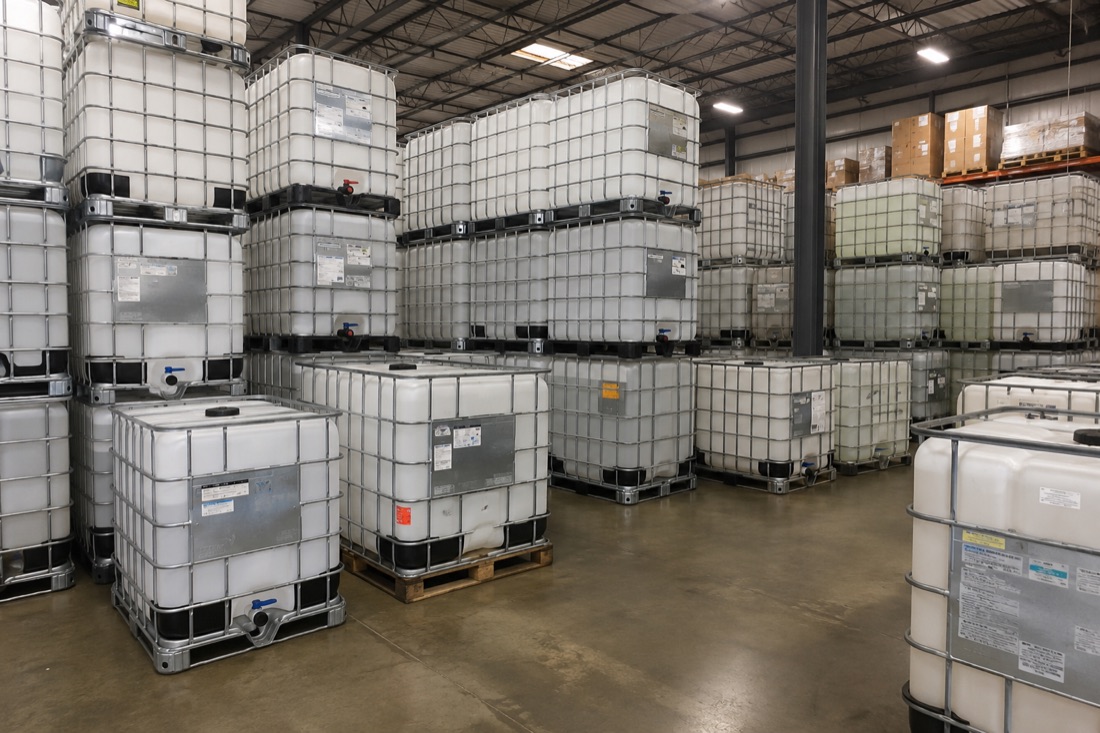
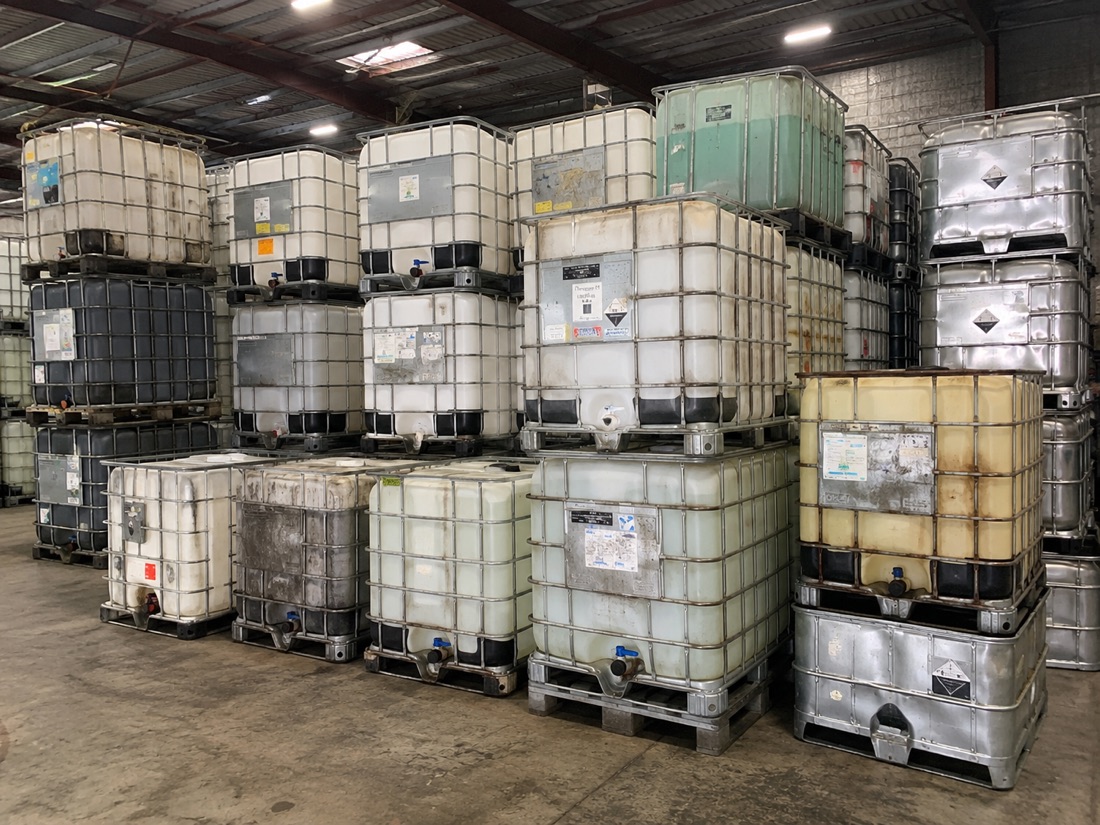
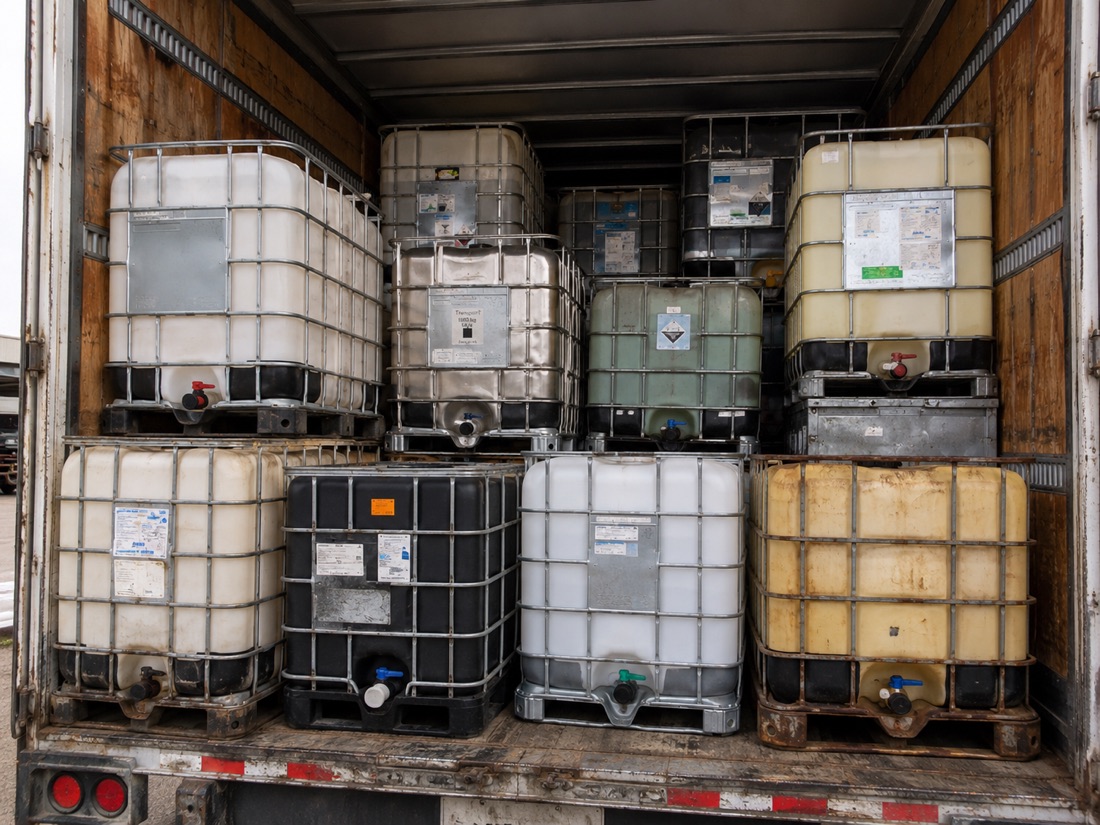
A look inside our Austin operation — buying, grading, reconditioning, and loading IBC totes for reuse across all 50 states.
One form. Buying, selling, recycling, or freight — we'll route it to the right person and reply within one business day.