The IBC Tote Learning Hub
Buying, selling, or repurposing intermediate bulk containers works best when you know the fundamentals. Everything below is written by people who wash, grade, and haul these totes every day — no fluff, no sales spin, just what you actually need to know.
Get Your Free Quote
Buying, selling, or just curious what your totes are worth? Tell us what you need — we reply within one business day.
Guides, references & deep-dives
New to totes? Begin with the complete guide, then check grades and safety before you request a quote. Already know the basics? Jump straight to the articles.
The Complete IBC Tote Guide
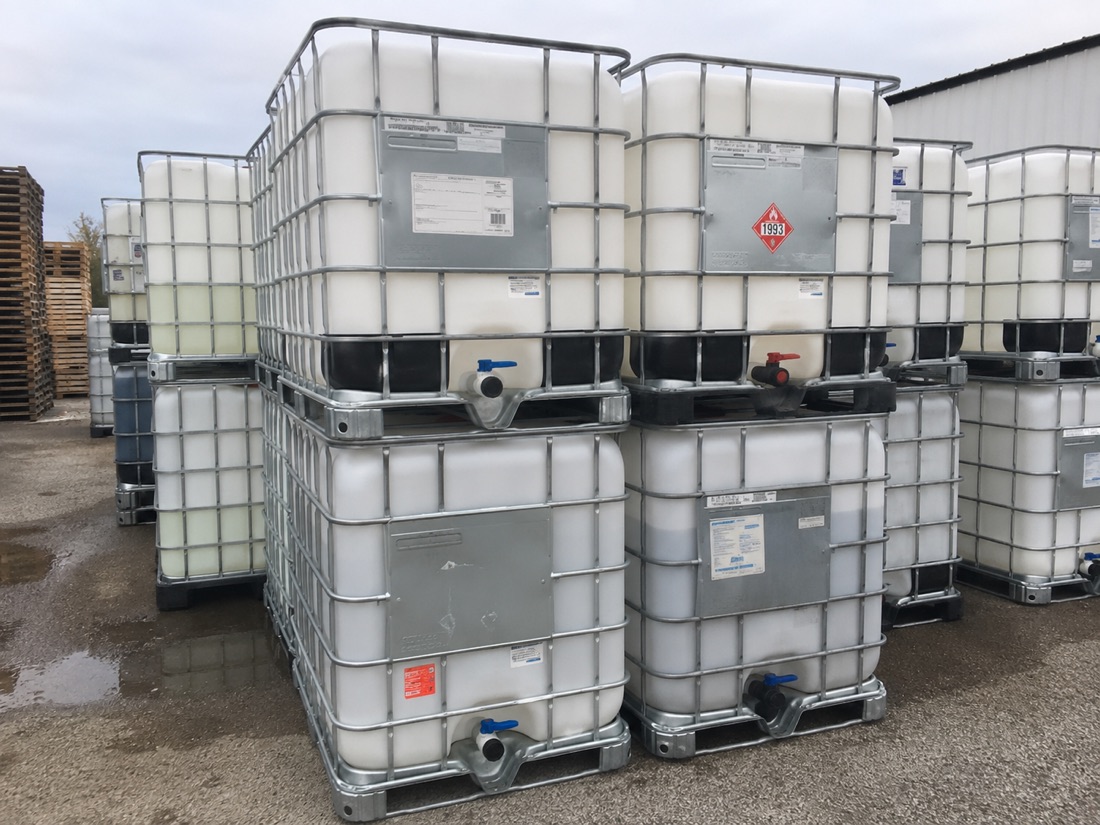
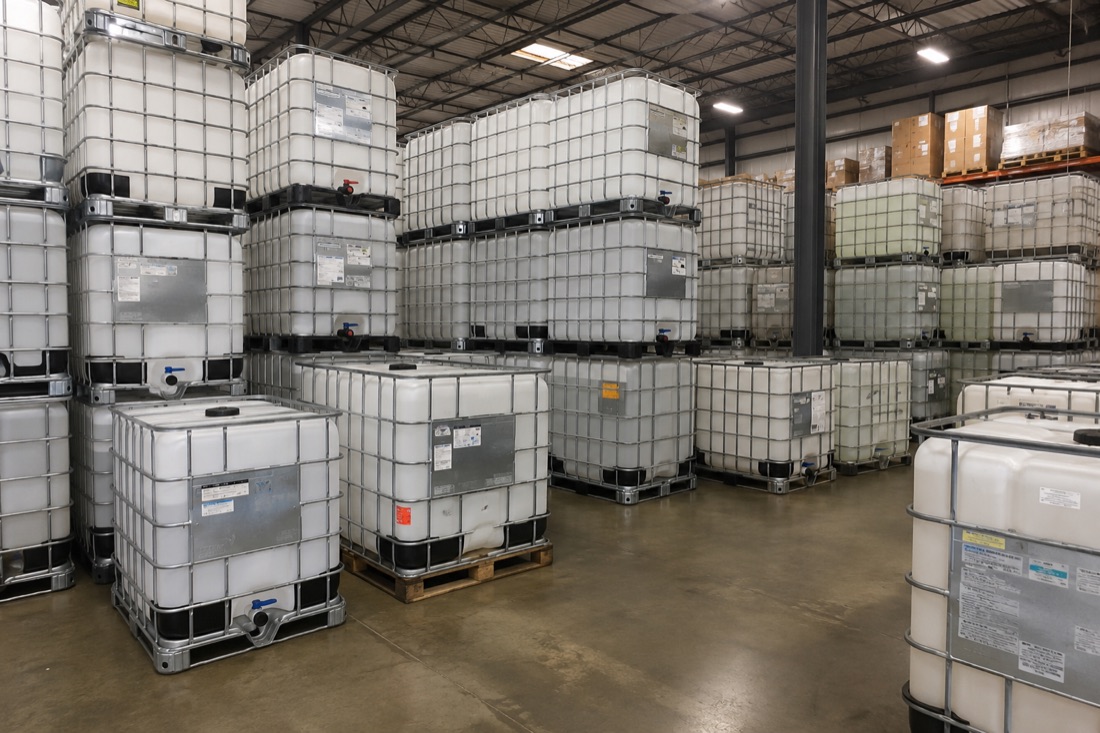
Our pillar reference. What an IBC tote is, its anatomy, history, materials, food-grade vs industrial, how to read prior-contents labels, and how to buy smart.
Start here →IBC Tote Grades Explained
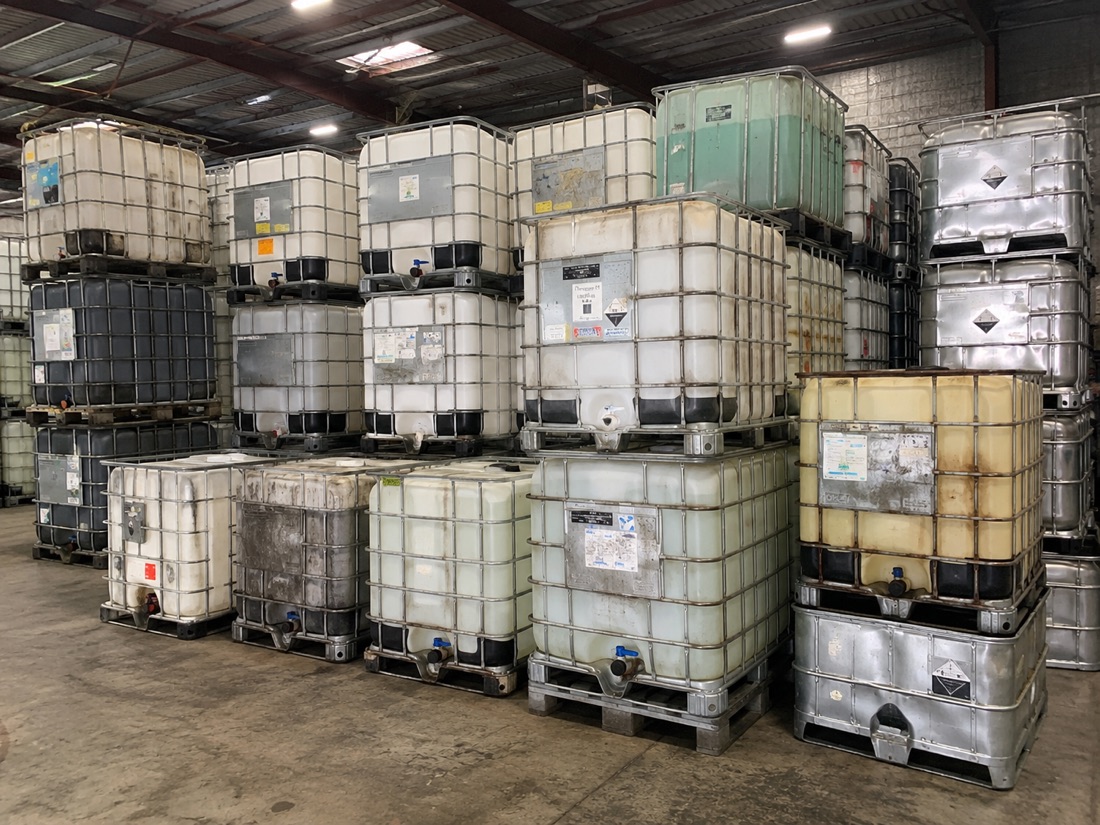
Food Grade, Grade A, Grade B, Grade C — what each cleaning level actually means, what the tote likely held before, and which grade fits your job.
Compare grades →Safety & Compliance
How to read UN/DOT markings, HDPE chemical compatibility, grounding & static, stacking limits, inspection, and what you should never store in a used tote.
Stay compliant →IBC Tote FAQ
Straight answers on pricing, food-grade stock, minimum orders, shipping, selling empties, payment, and the eco math — 15+ real questions.
Get answers →275 vs 330 Gallon Totes
The two sizes that make up almost the entire U.S. fleet, side by side: dimensions, weight, footprint, and when each one is the right call.
Read the comparison →How IBC Totes Are Reconditioned
Follow a tote through our loop: intake, inspection, caustic wash, pressure test, re-bottling, re-caging, grading, and shipping. The circular economy in action.
See the process →Fun27 Clever Uses & Upcycling Ideas
Rainwater harvesting, aquaponics, compost tea, emergency water, planters, deer feeders and more. Give a retired tote a second life instead of a landfill.
Get inspired →Ready to move some totes?
Once you know which grade and size you need, everything happens through one form. Whether you are buying a pallet of reconditioned totes, selling a yard full of empties through our buyback program, or booking nationwide freight, we reply within one business day.
Not sure where to start? Follow the path
The resources here build on each other. If you read them in order you will go from "what even is a tote" to "quote me a pallet of food-grade 275s" without a single gap. Here is the route we send most first-time buyers down.
Learn what a tote is
Start with the complete IBC tote guide. It covers anatomy, materials, the difference between food-grade and industrial, and how to read a prior-contents label. Everything else assumes you know this much.
Pick a grade and a size
Next, decide cleanliness with Grades Explained and volume with 275 vs 330 Gallon. Those two choices set your price before you ever ask for a quote.
Store it safely
Before you fill anything, skim Safety & Compliance — UN/DOT markings, HDPE chemical limits, grounding, and stacking. A five-minute read prevents a 2,400-lb mistake.
Buy, sell, or upcycle
Finally, act: buy reconditioned or new, sell your empties for cash, or give one a second life with our 27 upcycling ideas.
Learn from people who actually wash the totes
Most of what's written about IBC totes online is thin product-listing copy padded with keywords. Ours is different because we live it. We take in empties by the truckload, drain and log their prior contents, run them through caustic wash and pressure tests, rebottle the tired ones, grade what passes, and haul the finished totes back out across the lower 48. Every claim in these guides comes from the floor of a reconditioning yard, not a copywriter's imagination.
That hands-on angle matters most on the questions that carry risk: whether a tote is truly food-grade, whether HDPE can hold your chemical, whether a cage is safe to stack. We'd rather tell you "don't put that in a used tote" than sell you the wrong container. Read more about who we are and the circular model we run.
- Prior contents disclosed in writing, every time
- Grades tied to real cleaning steps, not marketing tiers
- Food-grade means food-history + certification — no shortcuts
- Safety advice defers to the SDS and current DOT/OSHA rules
- Ecology math you can reproduce in the calculator
Jump to what fits your situation
Industrial buyers
You need volume at a known cleanliness level. Compare grades, confirm chemical compatibility, then request pallet or truckload pricing through buying.
Farms & growers
Water storage, liquid fertilizer, irrigation, and stock troughs. A Grade B tote often does the job for less — unless it's for drinking water, which needs food-grade.
DIY & upcyclers
Rain barrels, aquaponics, planters, and more. Grab a cheap Grade C tote and browse 27 project ideas.
Sellers with empties
Got a yard full of used totes? We pay cash and haul them off. See how selling works and what clean, documented totes are worth.
Logistics & freight
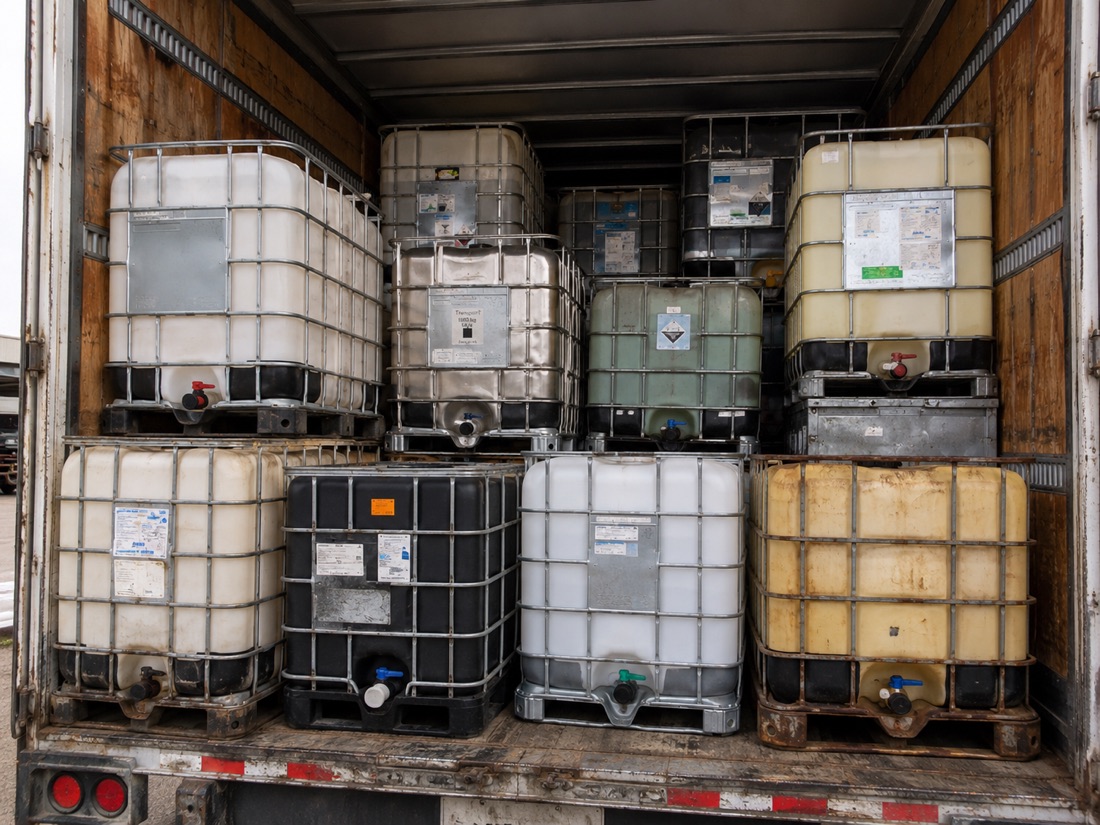
Moving totes across the country? We handle LTL and full truckload both directions. See transportation.
Food & beverage
Syrups, oils, concentrate, and brewing liquids demand certified food-grade totes with clean history. Ask for it by name and read the grades guide first.
Ready to keep totes in the loop?
Tell us what you've got or what you need. One form, one business day, zero landfill.