A processing plant that happens to grow plants
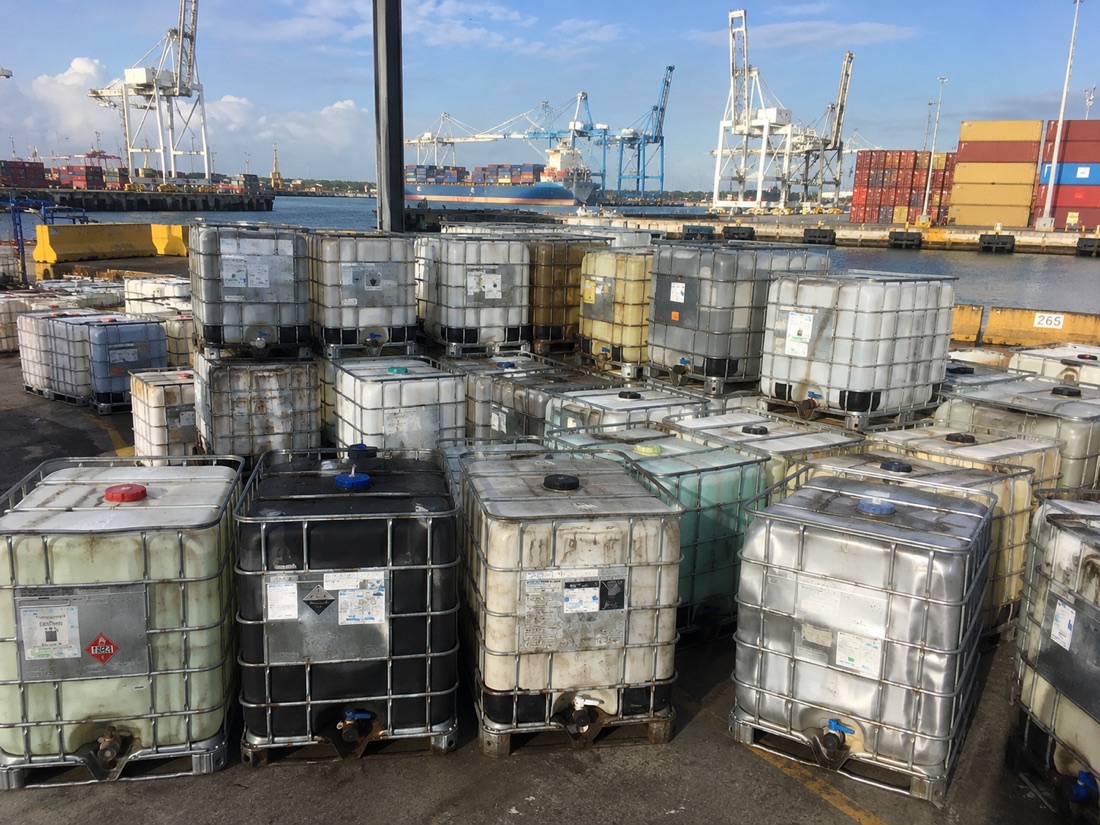
Cannabis and hemp have matured into a genuine industrial sector, and industrial sectors run on bulk liquids. A modern processor handles extraction solvents, recovered ethanol, winterization washes, nutrient concentrates on the cultivation side, and process wastewater on the back end. Each of those is a bulk-liquid handling problem, and IBC totes sit at the center of most of them.
The stakes are higher here than in many industries. Solvent handling carries real fire and safety risk, product value per gallon is high, and the regulatory environment touches everything. Getting bulk liquid handling right is not just efficient; it is a compliance and safety requirement.
In extraction, the container is not a cost center. It is part of the safety envelope and the compliance record.
Mapping the liquids
It helps to see the full liquid map of a processor before choosing containers, because the products span a wide range of hazard and compatibility.
| Liquid | Where it lives | Handling priority |
|---|---|---|
| Ethanol (extraction, recovery) | Extraction, winterization | Flammable; grounding, compatibility |
| Hydrocarbon solvents | Closed-loop extraction | High hazard; specialized handling |
| Nutrient concentrates | Cultivation | Compatibility, dosing accuracy |
| pH adjusters (acid/base) | Cultivation, cleaning | Seal compatibility |
| Process wastewater | Post-processing | Containment, compliant disposal |
The critical split is between flammable solvents and everything else. Ethanol and hydrocarbon handling pull in fire codes, electrical classifications, and material requirements that the cultivation-side liquids do not.
Solvent handling: where material choice gets serious
For ethanol and other flammable solvents, tote selection is not a matter of preference. It is governed by compatibility and fire safety.
- Chemical compatibility comes first. Ethanol is generally compatible with HDPE for storage, but concentration, temperature, and additives all matter, and many hydrocarbon solvents attack plastic. Verify before you fill, every time.
- Static and grounding. Flammable liquid moving through a plastic tote and hose can generate static. Bonding and grounding are not optional for solvent transfer.
- Consider metal for aggressive solvents. Where a solvent challenges HDPE or the operation wants a permanent, groundable vessel, stainless steel is the answer. It is inert, groundable, and cleans to a sanitary finish.
- Ventilation and containment. Solvent totes belong in properly rated, ventilated space over secondary containment, segregated per fire code.
Our safety resource covers the general principles of hazardous-liquid tote handling, but flammable solvent work should always be designed with your fire-code authority and a qualified engineer. The tote is one component of a system.
Cultivation-side dosing
On the grow side the chemistry is gentler and the totes do more routine work.
Nutrient concentrates, beneficial additives, and pH adjusters all lend themselves to bulk storage and metered dosing. A tote of base nutrient feeding an automated fertigation system replaces a wall of jugs and makes dosing consistent across a large canopy. The consistency is the point: precise, repeatable feeding is what separates a professional grow from a hobby, and bulk dosing from a stable reservoir supports it.
The main watch-item here is seal compatibility for the acids and bases used in pH control. A gasket that shrugs off nutrient solution may not survive concentrated pH-down. Match the wetted parts and keep spares from our accessories line.
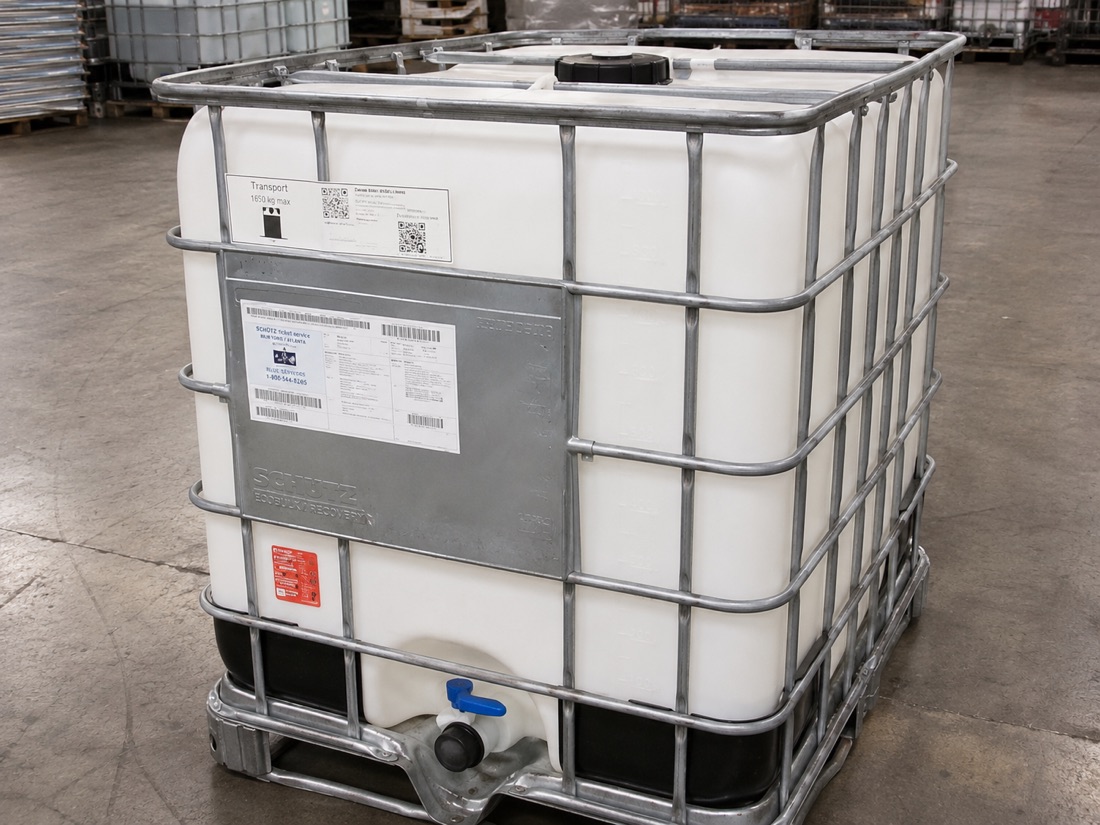
For general-purpose, well-graded storage on the cultivation side, our reconditioned IBC totes are an economical fit, and they let a young operation scale bulk handling without new-tote pricing.
Sanitation and cleanliness standards
Cannabis and hemp destined for extraction and eventually for human consumption carry cleanliness expectations closer to food and pharma than to general industry.
- Know your product-contact requirements. Anything touching the extract or a consumable input should be food-grade or better, cleaned to a documented standard.
- Match the tote grade to the duty. A tote for wastewater has different requirements than one holding recovered ethanol destined back into process.
- Document cleaning. In a compliance-driven industry, the record that a container was cleaned to standard matters as much as the cleaning itself.
- Do not cross-use. A tote that held a solvent should not later hold a nutrient without full reconditioning and re-grading.
Our grades resource explains how tote grades map to these cleanliness tiers, so a processor can specify exactly what a given unit is cleared to hold.
Wastewater and the sustainability loop
The back end of a processing operation is process wastewater, and it is both a compliance obligation and a sustainability opportunity.
Extraction and cleaning generate spent water and dilute solvent streams that cannot go down a drain. Totes serve as compliant holding vessels: capturing wastewater over containment, staging it for treatment or licensed disposal, and keeping it segregated by stream so treatment is efficient. Handling wastewater in dedicated, labeled totes is far cleaner than improvised collection, and it produces the paper trail regulators expect.
There is a genuine ecology story woven through all of this. Recovering and reusing ethanol instead of buying it fresh, dosing nutrients precisely instead of over-applying, capturing wastewater for proper treatment instead of loss, and reusing graded totes instead of buying new ones all pull in the same direction. That resource-loop mindset is the heart of our sustainability work, and in a young, fast-growing, closely watched industry, building it in from the start is far easier than retrofitting it later.
A cannabis or hemp processor is, in the end, a chemical processing plant. Treating its bulk liquids with the seriousness that implies, right down to the container, is how the good operators stay safe, stay compliant, and stay in business.