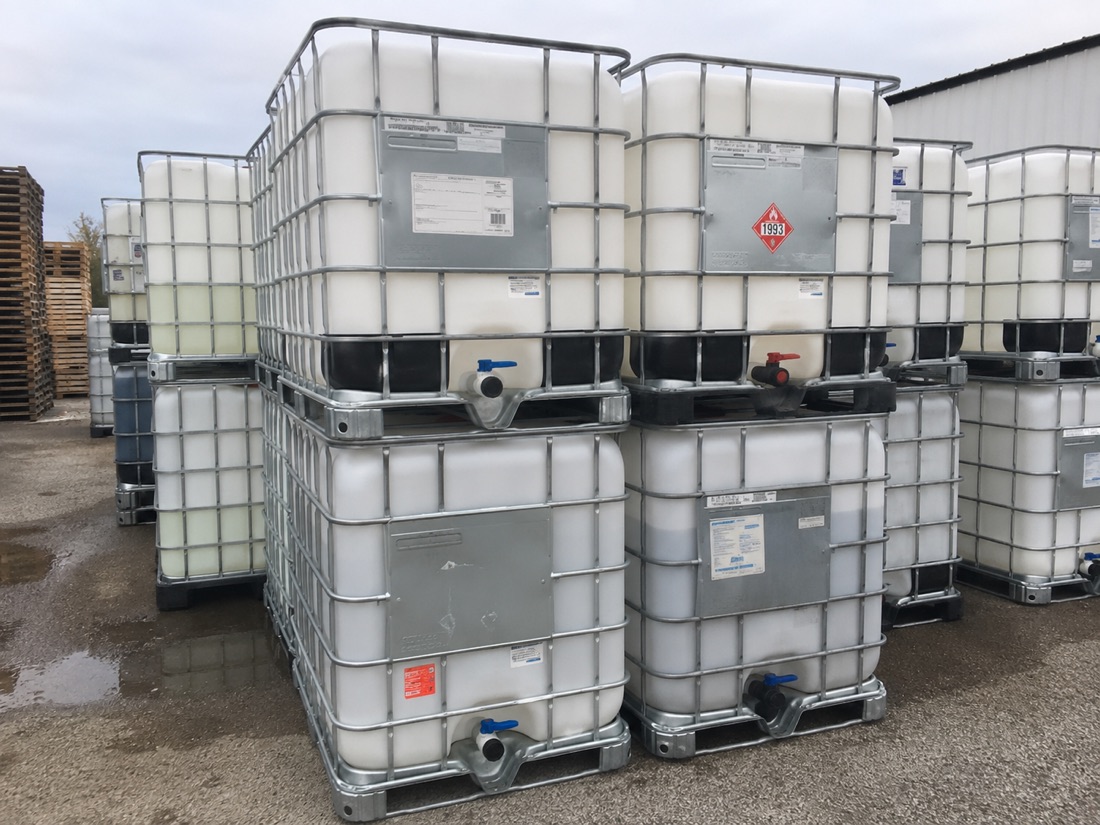
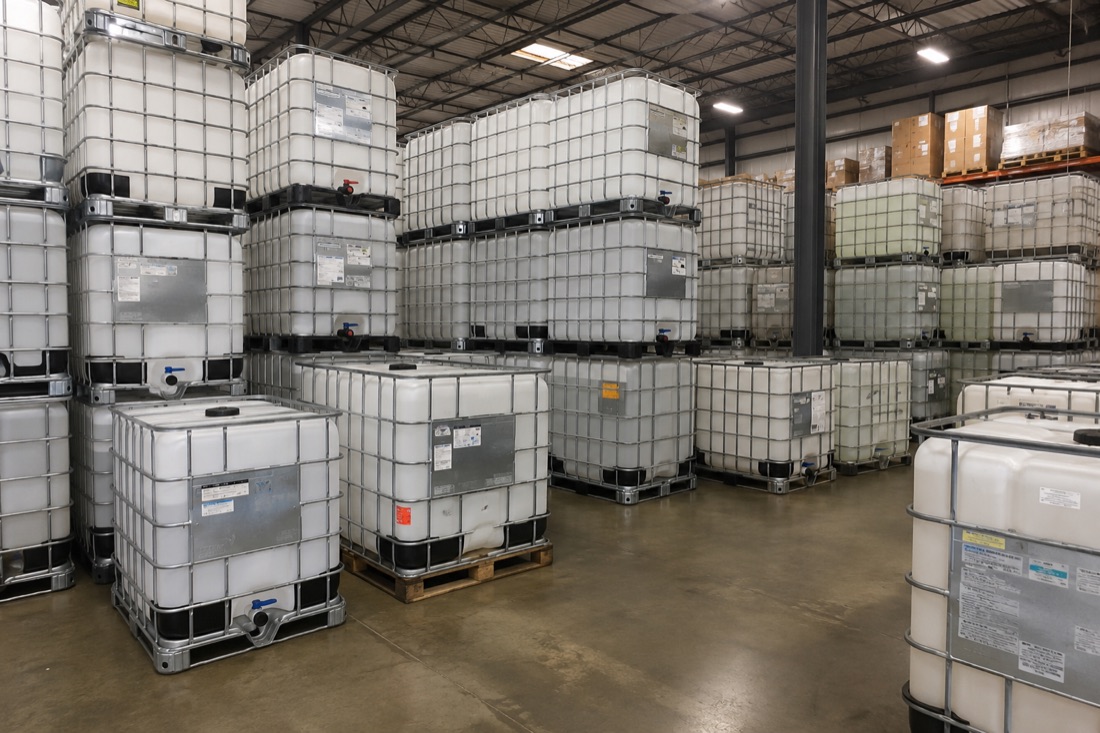
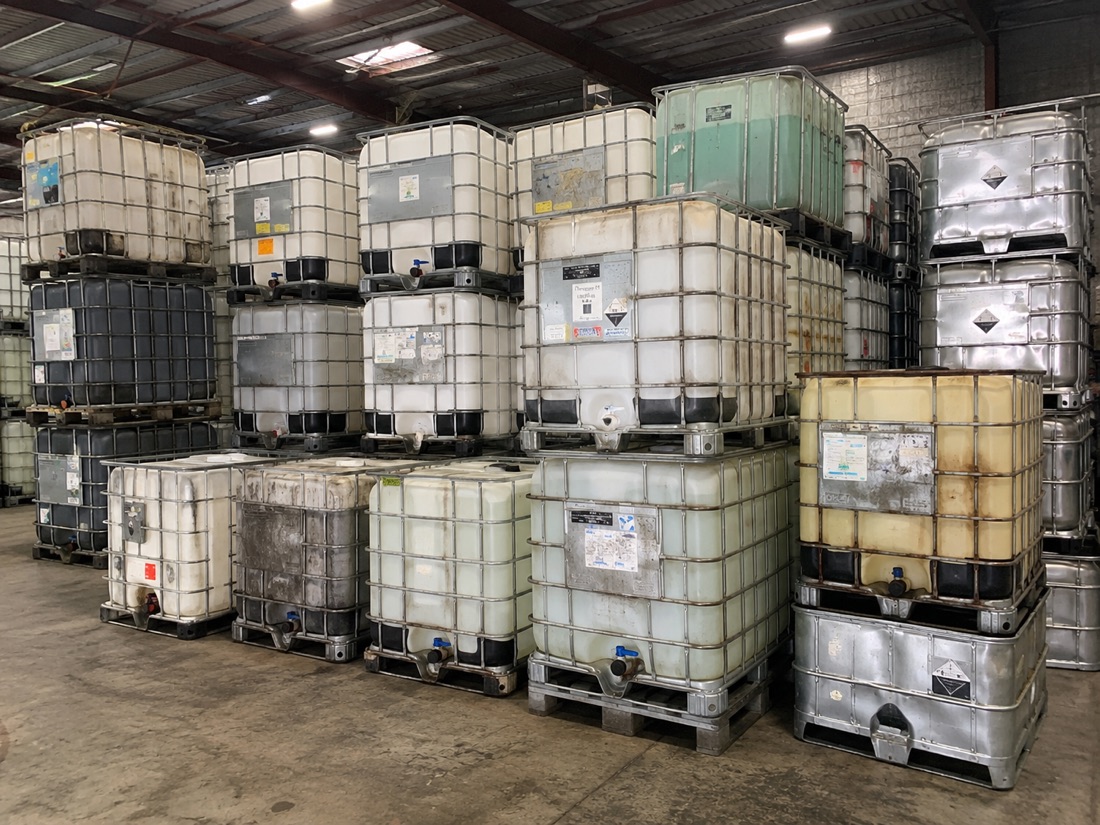
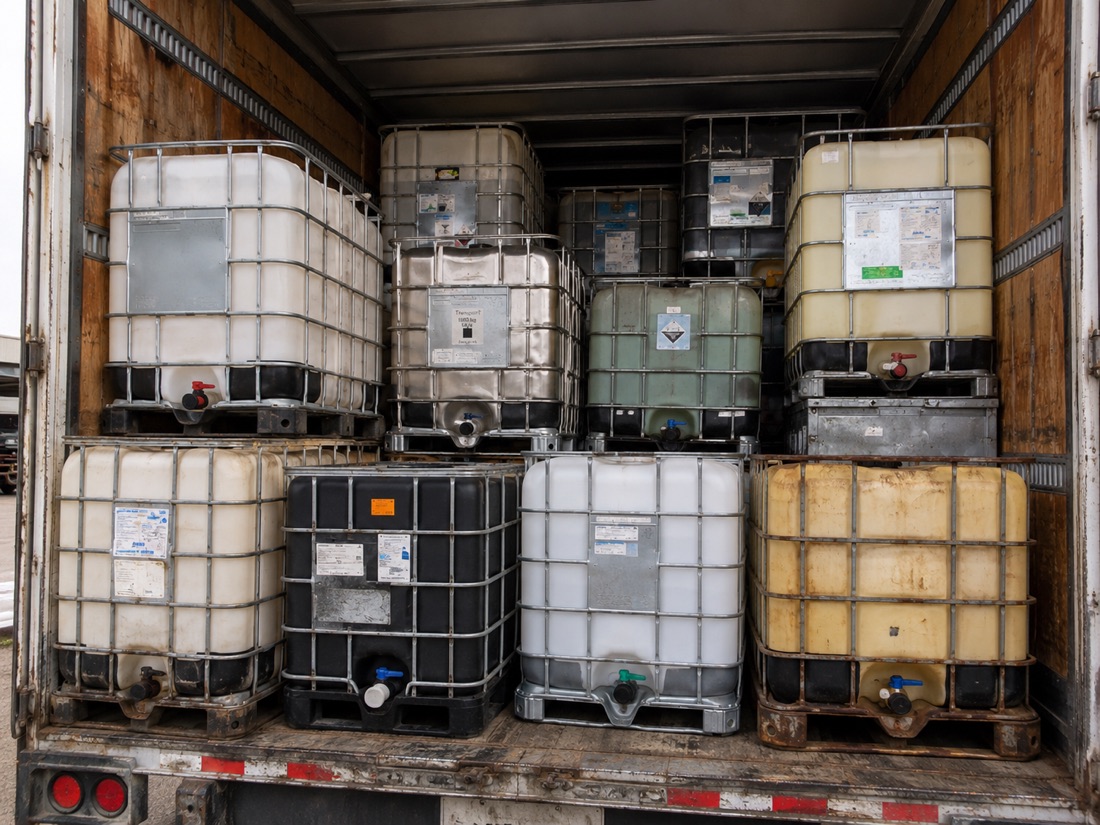
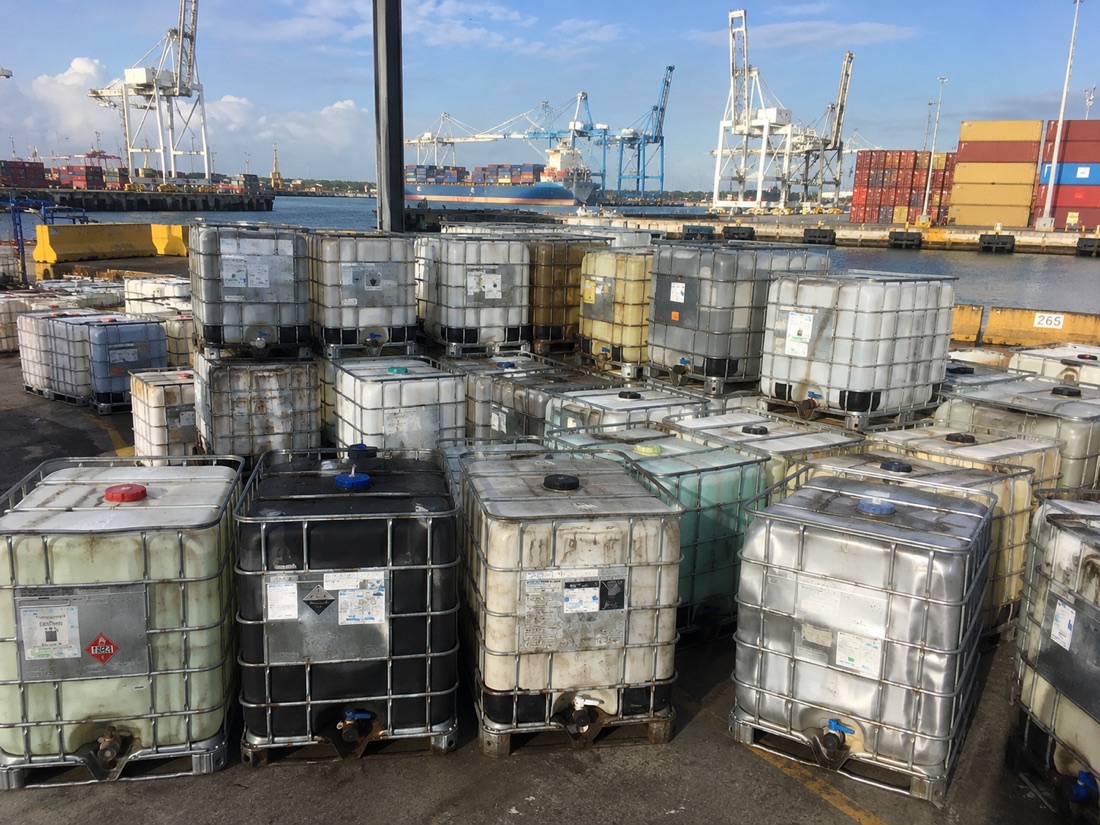
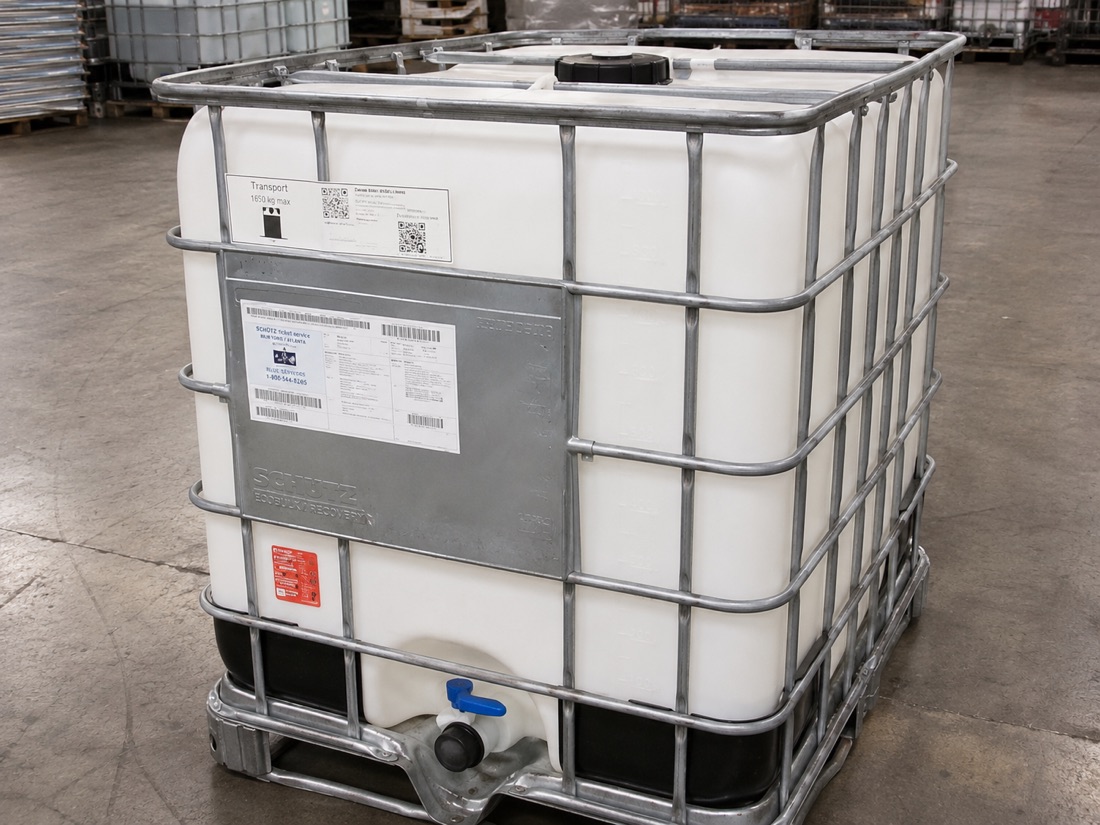
I grew up around agriculture before I ever got into the tote business, and I can tell you the farm is where the IBC tote earns its reputation. On a working operation a tote is a fertilizer tank on Monday, a water hauler on Tuesday, and a gravity-fed drip reservoir by the weekend. Few tools give a farm more capability per dollar. But farms also chew up equipment, and the wrong tote in the wrong job creates real problems. Here is how we help growers match totes to the work.
The Big Four Farm Uses
Most agricultural tote demand falls into four buckets, and each has different requirements.
- Liquid fertilizer storage and application. Totes hold and dispense liquid nitrogen, micronutrients, and specialty blends, feeding sprayers and injection systems.
- Irrigation and gravity feed. Elevated totes provide pressure-free water for drip lines, seed-starting, and remote plots without power.
- Water hauling. Totes on a trailer or truck bed carry water to livestock, remote fields, and dry pastures.
- Crop protection and mixing. Totes stage water for tank mixing and hold diluted product for application.
Each of these leans on the tote's core strengths: big capacity, a pallet base a forklift or loader can grab, and a valve that connects to standard farm plumbing.
Choosing the Right Grade for the Job
The grade you need scales with how sensitive the contents are and how much the tote will move.
| Farm use | Recommended tote | Why |
|---|---|---|
| Liquid fertilizer | Sound reconditioned | Chemical-compatible, cost-effective |
| Drinking water for livestock | Food-grade | Animal health |
| Field irrigation water | Reconditioned | Not consumed directly |
| Mixing / staging | Reconditioned | Rinsable, rugged |
| Long-term nurse tank | Reconditioned + good cage | Handling durability |
For most non-potable field work, a solid reconditioned tote is the right economic and functional choice. When totes hold water animals drink, step up to food-grade to protect livestock health. Our buying guide resources walk through the grade tiers in more detail.
Fertilizer: Compatibility Is Everything
Liquid fertilizers vary widely, and some are hard on materials. Before you commit a tote to a fertilizer:
- Confirm chemical compatibility of the HDPE bottle and the valve gaskets with your specific product. Most common liquid fertilizers are fine in HDPE, but always check the product's guidance.
- Watch density. Many liquid fertilizers are heavier than water. A tote rated for water may be near its limit with a dense fertilizer, so do not overfill and inspect the cage carefully.
- Dedicate and label totes to avoid cross-contaminating a blend or, worse, mixing incompatible products.
- Protect from UV. Some fertilizers and the algae they can feed degrade with light exposure; shade or cover stored totes.
A tote that held liquid fertilizer should be considered dedicated to ag chemicals. Do not later use it for water an animal will drink.
Irrigation and the Physics of Gravity Feed
The elegant thing about a tote for irrigation is that you get free pressure from elevation. Every foot you raise the tote adds a little head pressure to a gravity-fed drip system, no pump or power required.
- Elevate safely. A full tote is over 2,300 pounds. Any stand must be rated for that weight, level, and stable. This is not a place to improvise with pallets and cinder blocks.
- Fit the right outlet. A garden hose or barbed adapter on the valve feeds most drip and soaker systems. See our accessories page for the fittings.
- Filter the output. Drip emitters clog easily. Add an inline filter after the valve to catch sediment and algae.
- Manage light and algae. Translucent totes grow algae in sun; shade the tote or use a cover to keep lines clear.
Water Hauling and Field Transport
Hauling water is one of the most common ranch uses, and it comes with its own cautions. A partially full tote on a moving trailer creates a sloshing load that shifts weight and can affect braking and handling. Fill totes as full as practical to reduce slosh, secure them firmly with rated straps, and keep speeds sensible on rough ground. If you need totes delivered to a remote operation or moved between properties, our transportation service can handle the freight so you keep your trucks on farm work.
Field Durability: Protect the Cage and Pallet
Farm environments are hard on totes. Sun, mud, rough handling, and freeze-thaw cycles all take a toll.
- UV is the enemy of the bottle. Cover or shade totes kept outdoors year-round; sun-baked HDPE grows brittle and cracks.
- Freeze protection matters. Water and many solutions expand when frozen and can split a bottle. Drain, insulate, or store totes before hard freezes.
- Mind the pallet. Wood pallets rot in wet fields; plastic or composite pallets hold up far better in the mud.
- Inspect the cage after rough transport; a loader can dent bars that then chafe the bottle.
Repurposing on the Farm
When a tote finally retires from liquid duty, the farm is the best place for a second life. Cut-top totes become feed bins, compost stations, or planters; sound cages become storage racks. It is the circular economy in miniature, and we love seeing it. If you want totes already set up for reuse projects, look at our repurposed inventory.
The Bottom Line for Growers
The IBC tote is one of the most versatile tools you can park on a farm, but versatility only pays off with the right match: food-grade for livestock water, sound reconditioned for fertilizer and irrigation, a rated stand for gravity feed, and real protection from sun and freeze. Get those right and a handful of totes will handle water, fertilizer, and irrigation across the whole operation. Tell us what your fields need through contact and we will help you build the right fleet.