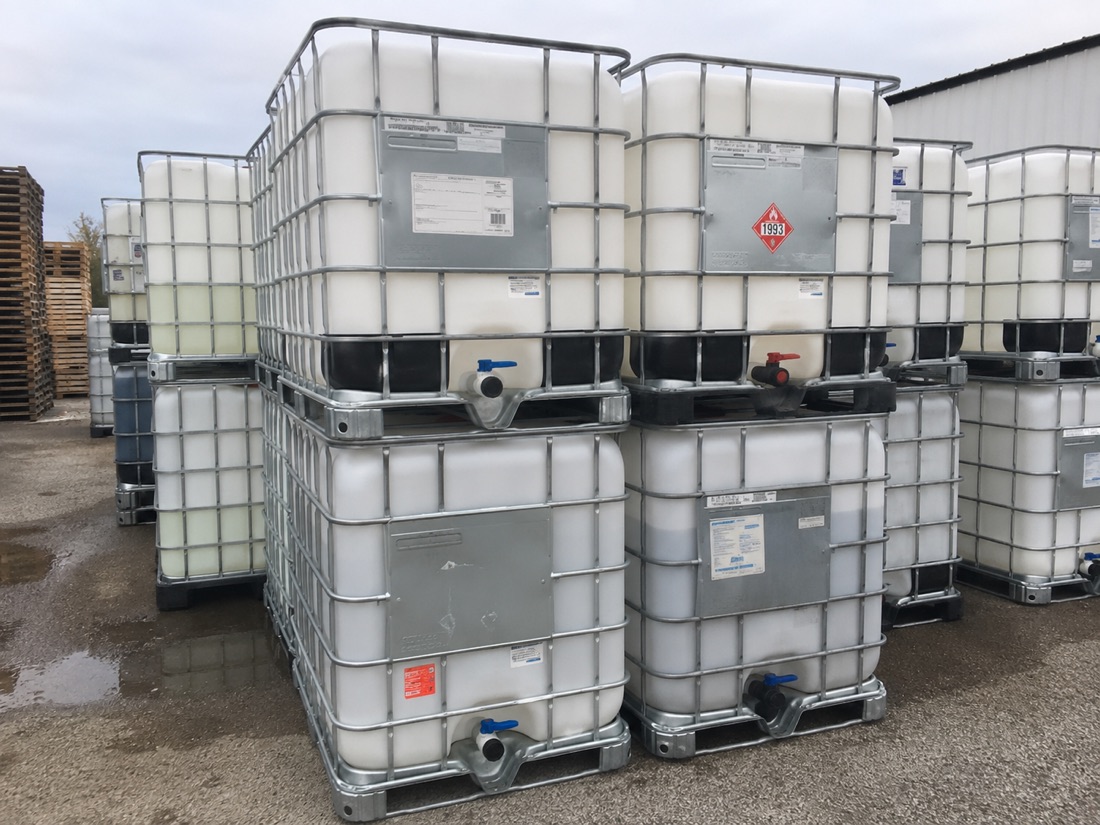
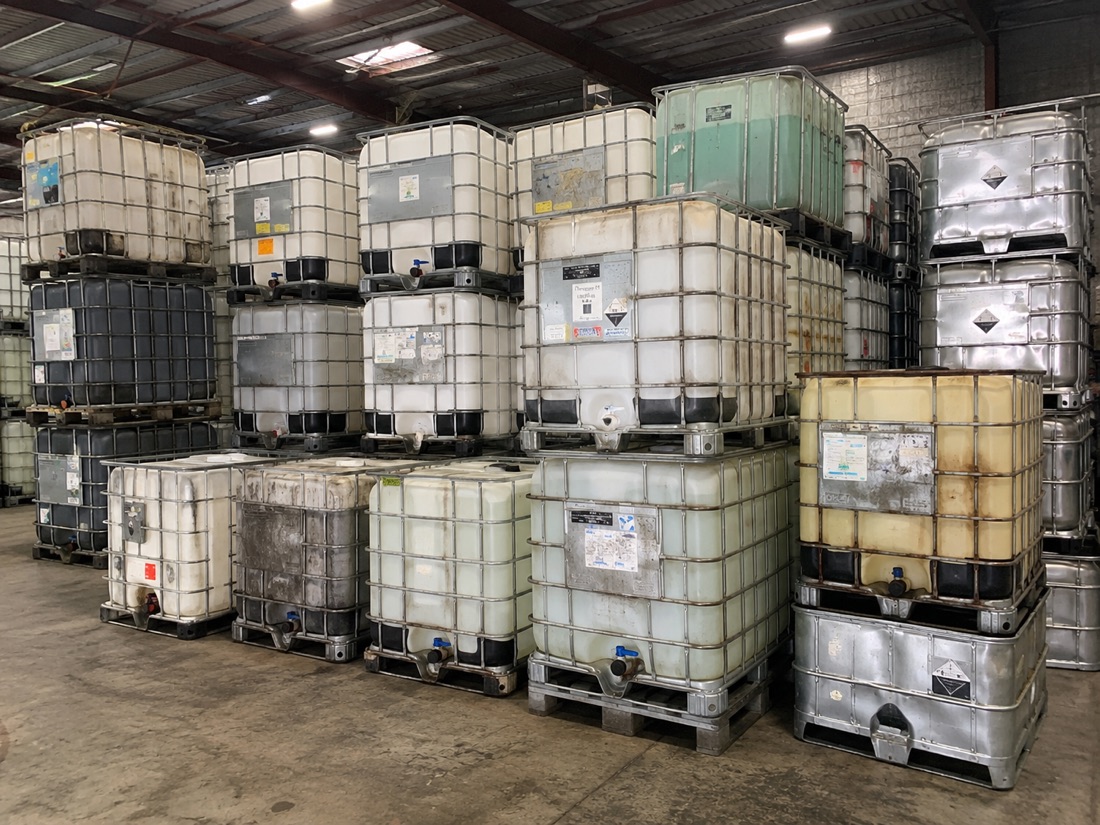
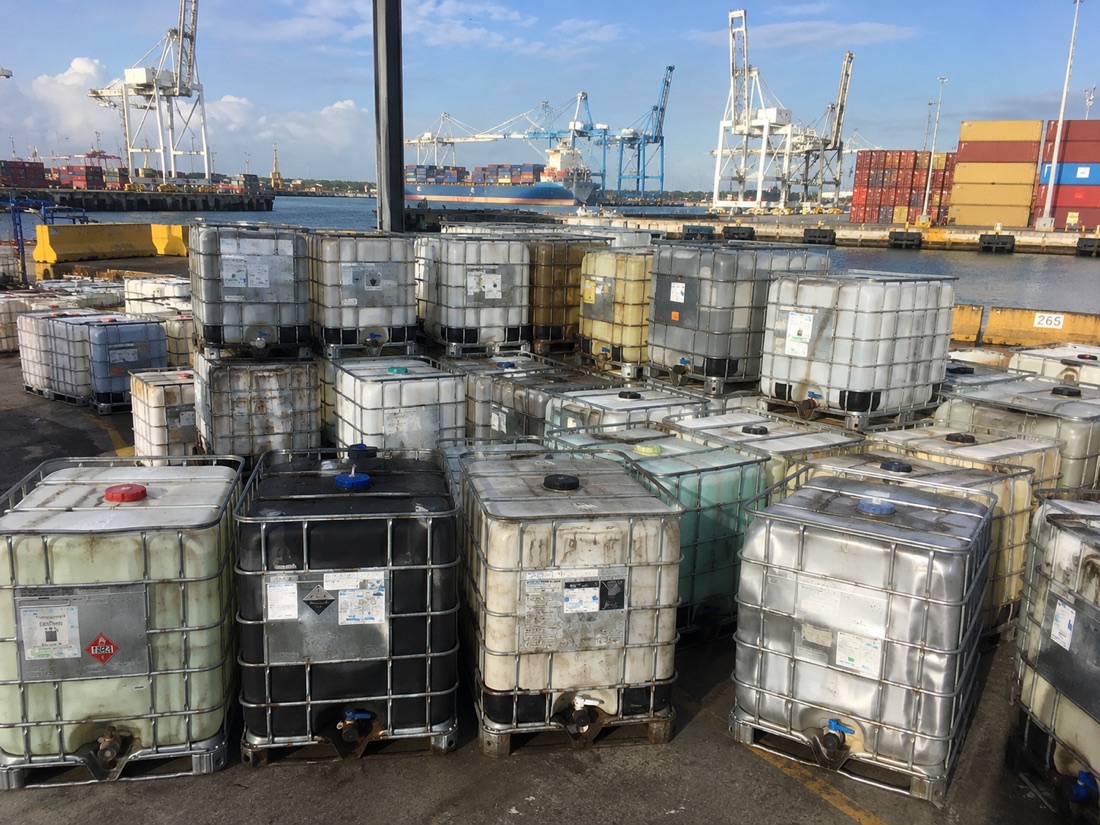
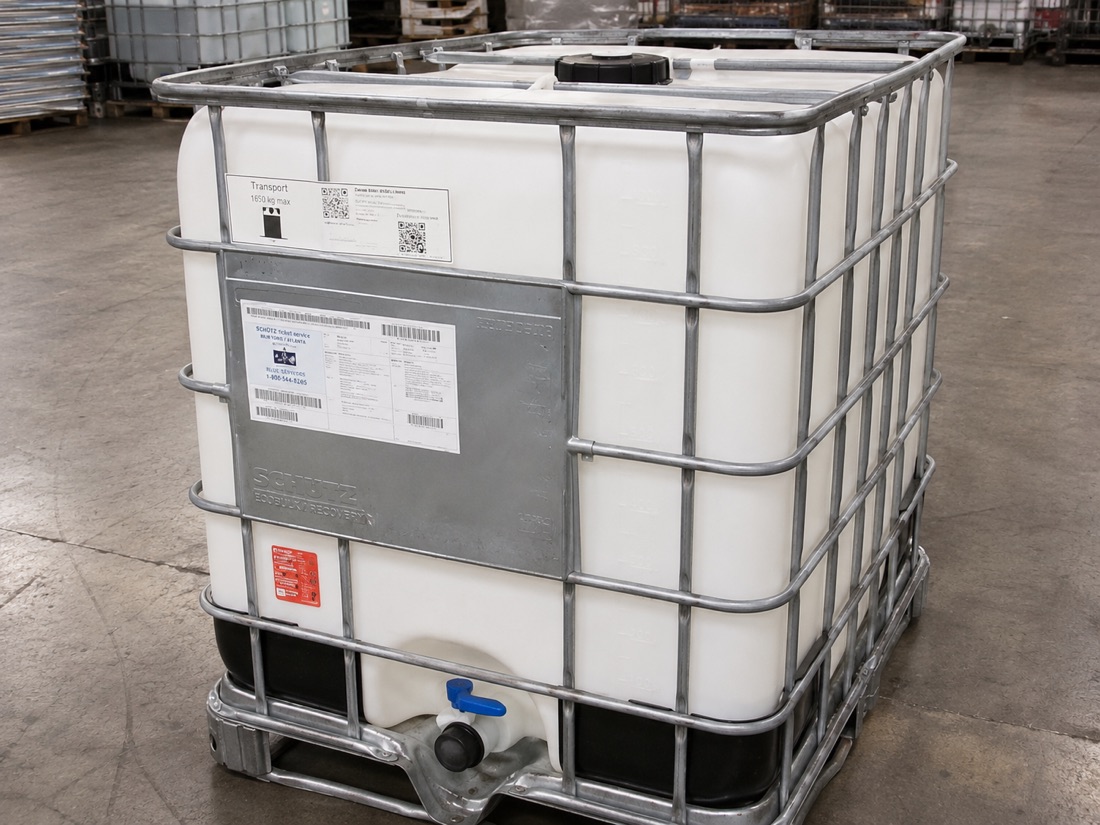
Somewhere on the cage or a molded plate of your tote is a string of letters and numbers that looks like a license plate designed by a committee. Most people ignore it. That is a mistake, because for anyone shipping regulated liquids, that string is the difference between a compliant load and a violation. Let me decode it piece by piece.
Why the marking exists
The UN marking system is an international scheme for certifying packaging that carries dangerous goods. When a tote is UN-rated, it means the design has been tested and certified to hold a defined class of hazardous material to a defined performance standard. In the United States, the Department of Transportation enforces these markings for regulated shipments.
If you are only storing rainwater or non-hazardous product on your own property, the marking is informational. The moment you put a regulated liquid on a public road, it becomes mandatory and legally meaningful.
Reading the string
A typical composite IBC marking reads something like this, in sequence. Here is what each field means.
| Field | Example | Meaning |
|---|---|---|
| UN symbol | u/n in a circle | Certified to UN standards |
| Packaging code | 31HA1 | Type, material, and category |
| Packing group | Y | Which hazard levels it may carry |
| Design density/pressure | 1.9/100 | Max liquid density and test pressure |
| Year of manufacture | 21 | Year the tote was made |
| Country | USA | Country of certification |
| Manufacturer code | +ABC1234 | Approval and maker identifier |
The packaging code
Take 31HA1 as the example. Reading left to right:
- 31 means a composite IBC intended for liquids.
- H means the primary material is plastic.
- A means the outer casing is steel (the cage).
- 1 is the category detail.
So 31HA1 is a composite plastic-in-steel-cage liquid IBC, which is exactly the classic 275- or 330-gallon tote most people picture.
The packing group letter
The single letter after the code tells you the hazard tier the tote is approved for.
- X covers packing groups I, II, and III, the highest capability including the most dangerous goods.
- Y covers packing groups II and III.
- Z covers packing group III only, the least hazardous.
A tote marked Y can legally carry group II and III materials but not group I. This is one of the most commonly misread fields, so slow down on it.
The density and pressure numbers
The pair like 1.9/100 tells you the maximum specific gravity of liquid the tote is rated for (1.9) and the test pressure in kilopascals (100). If your product is denser than the rated figure, the tote is not approved for it even if it physically fits.
The clock you cannot ignore
Here is the field that surprises people most. Composite IBCs have a service life for regulated hazardous liquid transport, and it runs from the date of manufacture stamped in the marking.
A UN-marked composite IBC is generally limited to 5 years from its manufacture date for the transport of hazardous liquids. After that, it is no longer authorized for that use.
The plastic degrades over time from UV, temperature cycling, and chemical exposure, and the certification reflects that. A tote can be perfectly sound for storing non-hazardous product or rainwater long after the five-year mark, but it cannot legally haul regulated liquids past it. When you buy a UN-rated tote for regulated service, always check the manufacture year, not just the condition.
Retest and inspection intervals
Beyond the service life, UN-rated IBCs used for hazardous liquids require periodic inspection and leak testing at set intervals, typically an inspection every 2.5 years and a more thorough one at 5 years. Skipping these invalidates the certification even within the service window. Keep the records; an inspector will ask for them.
Practical takeaways
- For regulated shipping, confirm the packing group letter matches your material's hazard class and that the manufacture date leaves you inside the 5-year window.
- For storage or non-regulated use, the marking is useful history but not a legal gate; a well-reconditioned older tote is fine for rainwater, wash water, or non-hazardous product.
- When in doubt, ask. Our safety resource covers inspection basics, and if you need UN-rated units for regulated liquids, our new totes ship with current markings and documentation.
If you are planning a move of regulated product and want to be certain your containers are compliant end to end, our transportation service handles the logistics with the paperwork in order. Reach out through contact with your material and volumes and we will confirm the right spec before anything rolls.