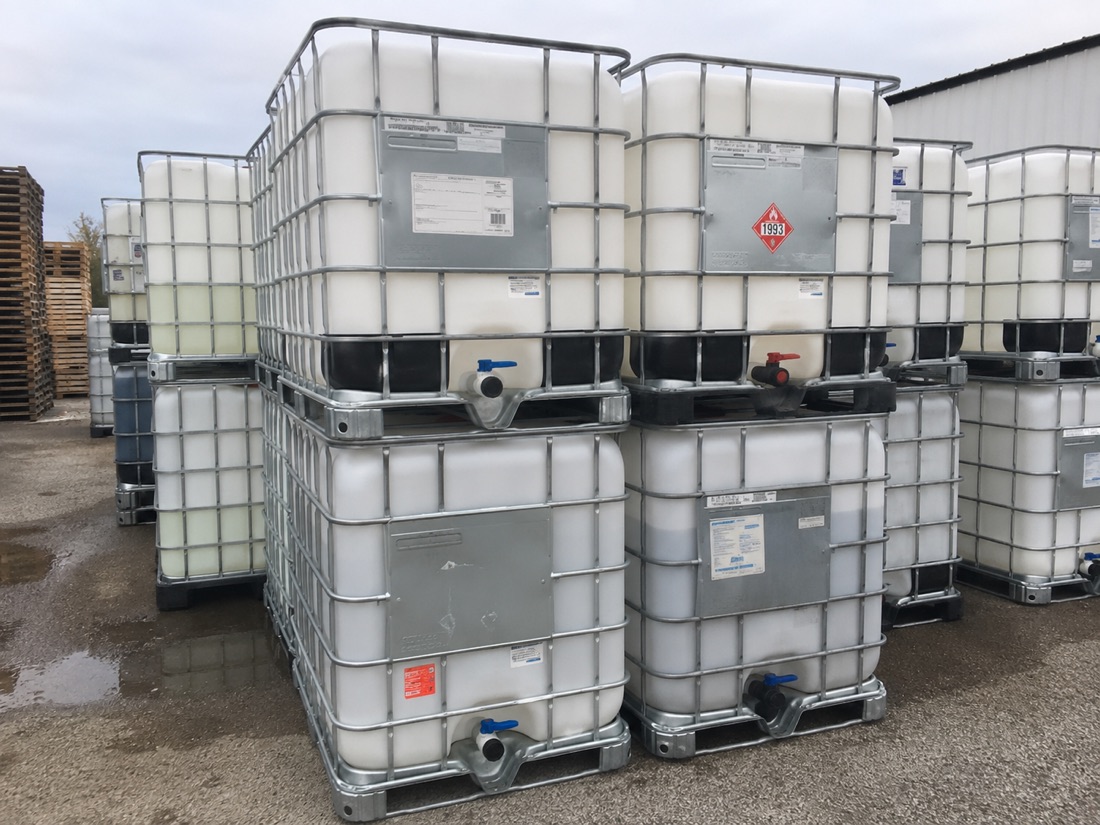
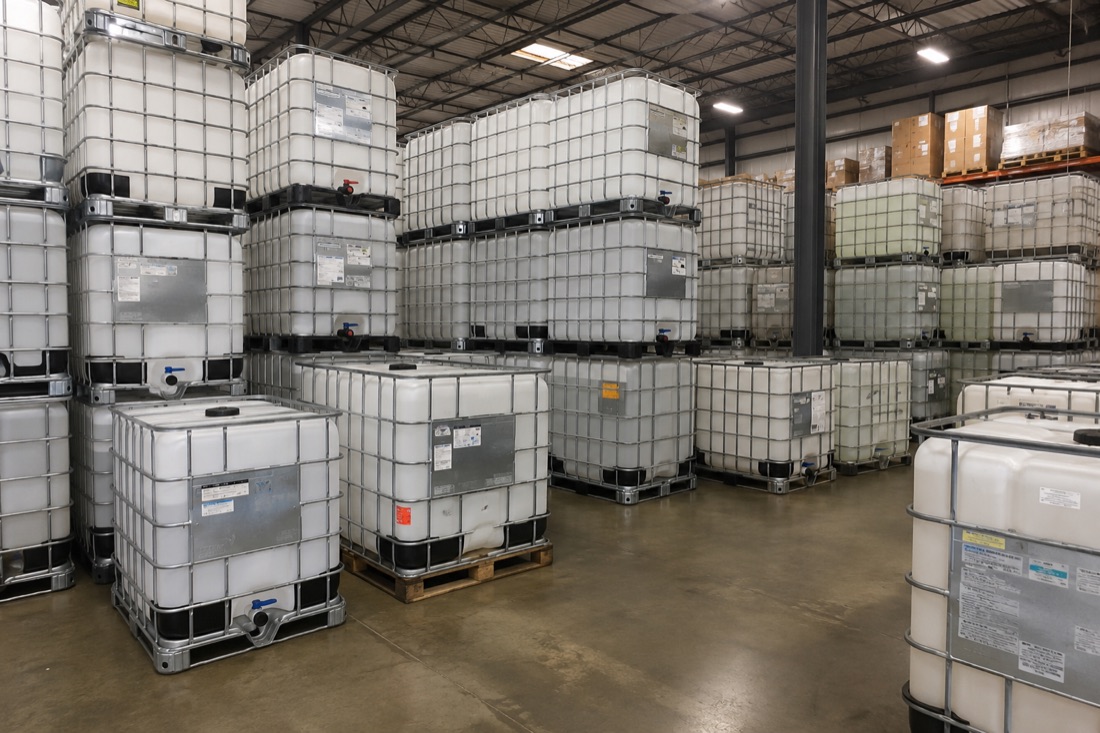
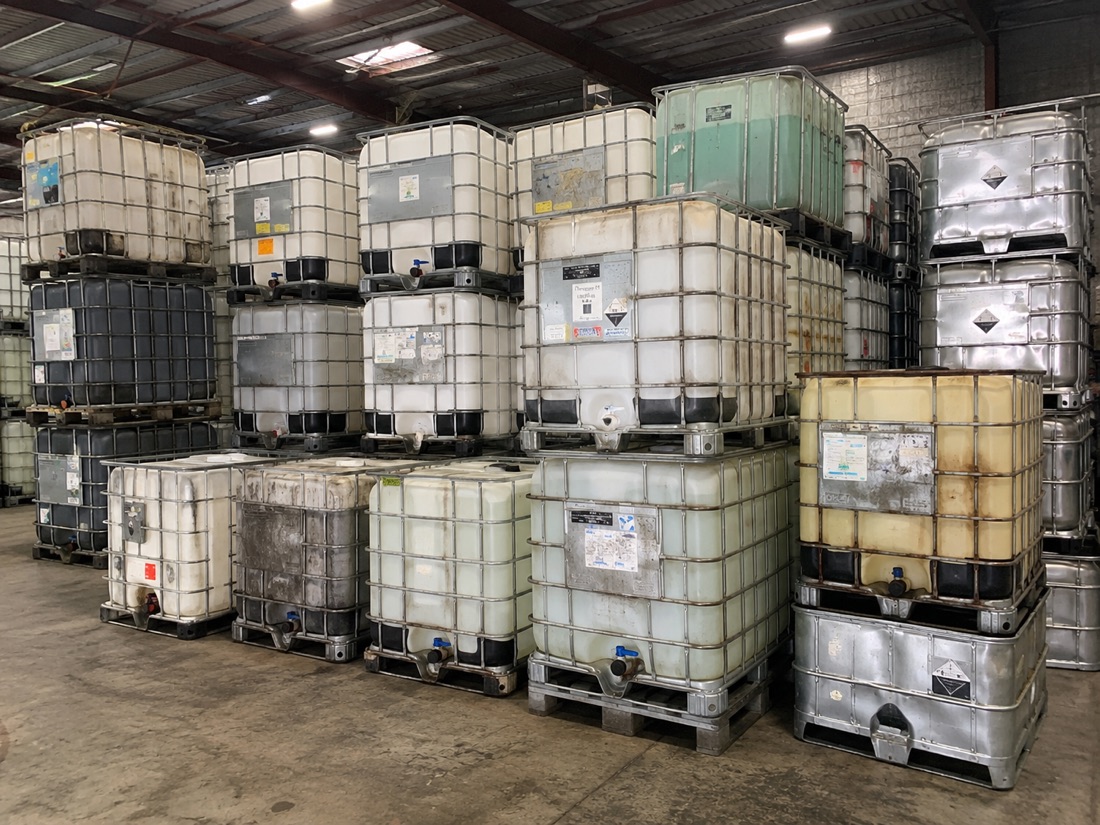
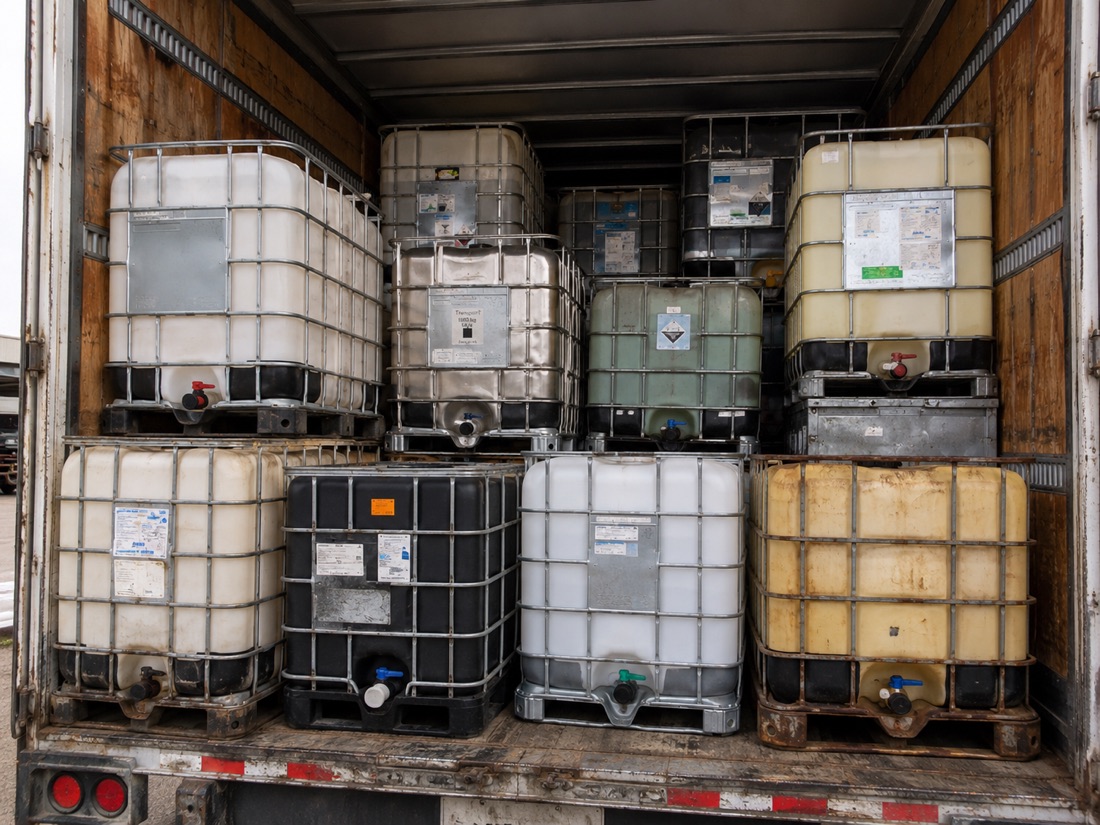
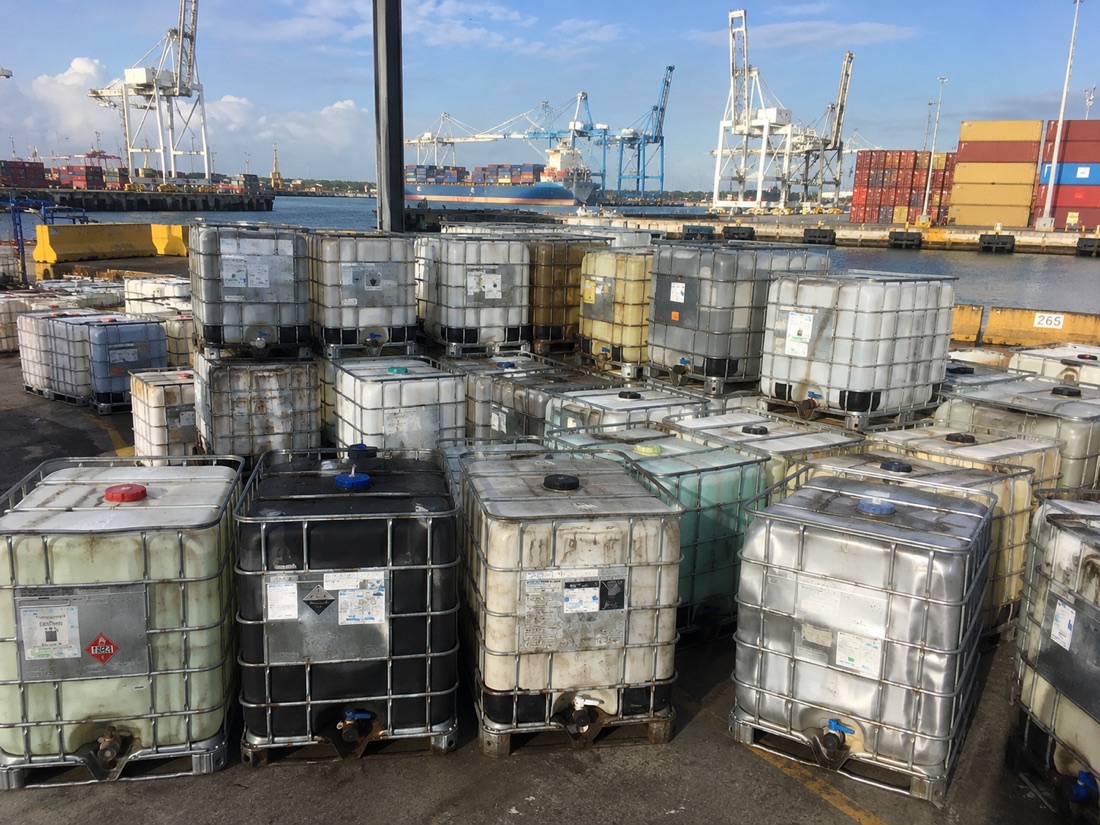
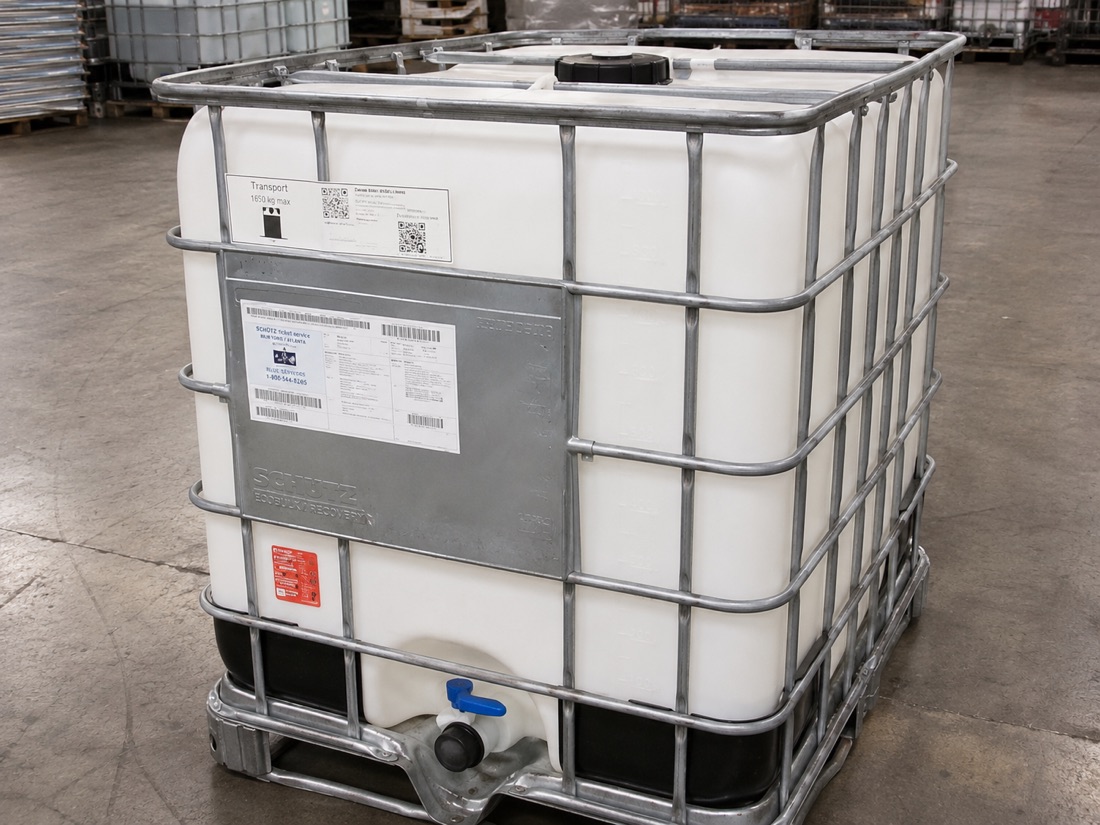
"Food grade" is one of the most abused phrases in the container business. Buyers use it to mean "clean," sellers use it to mean "it once held food," and neither definition is complete. If you are storing anything a person or animal will eventually consume, you need to understand what the term genuinely covers, because the gap between the casual meaning and the real one is where problems live.
Three separate questions, not one
The mistake almost everyone makes is treating food grade as a single yes-or-no property of a tote. It is not. It is the answer to three independent questions, and a tote can pass one while failing another.
- Is the material itself food-safe? The HDPE resin used in IBC bottles is generally manufactured to be suitable for food contact. That is a property of the plastic, and for reputable totes it is usually a given.
- What did the tote previously hold? A food-safe bottle that stored an industrial chemical is no longer food grade, regardless of what the plastic is rated for. Prior contents can permeate and stay.
- How was it cleaned and handled since? Even a tote that held food can fail if it sat open, grew mold, or was washed in a bay shared with non-food product.
Answer all three yes, and you have a genuinely food-grade tote. Answer any one no, and you do not, no matter how clean it looks.
The prior-contents rule
The second question is the one that catches people. HDPE is slightly permeable, which means some substances soak into the plastic wall and cannot be fully washed out. A tote that held a solvent, a fuel additive, or a pesticide can carry a chemical memory that leaches back into whatever you put in next.
The safest food-grade totes are ones whose only prior life was food. Not "food after a wash," but food to begin with.
This is why at our line we sort strictly by prior contents before a tote ever enters the reuse stream, and why a container that held anything questionable is diverted to recovery rather than sold as food grade. You cannot wash your way from a solvent tote to a food tote. The material will not let you.
What to actually verify
When you source a tote for food, syrup, oils, beverages, or animal feed, verify each of these before you trust it:
- Prior product was itself food-safe and documented, not merely "believed clean."
- The bottle is HDPE rated for food contact, not an off-spec or unknown resin.
- It was properly reconditioned, meaning washed, inspected, dried, and re-gasketed.
- New hardware is installed, since old gaskets and caps harbor residue and bacteria.
- It was stored sealed, not left open to collect dust, insects, or mold.
| Claim you might hear | What to ask |
|---|---|
| "It's food grade" | Food grade material, prior contents, or both? |
| "It held food before" | What food, and is that documented? |
| "It's been washed" | Washed how, and shared bay with non-food? |
| "It's practically new" | Reconditioned and pressure-tested, or just rinsed? |
The role of reconditioning
A proper reconditioning process is what converts a used food tote back into a trustworthy food tote. That means a hot caustic wash to lift residues, a high-pressure rinse to reach every wall, a potable final rinse to remove cleaning agents, an interior light inspection, and fresh gaskets and cap. Our reconditioned totes go through exactly that, and you can see how each grade is defined on the grades reference.
When absolute certainty matters more than cost, a new tote removes the prior-contents question entirely, which is why some food and pharmaceutical uses simply spec new. That is a legitimate choice; the point is to make it deliberately rather than assuming a used unit is automatically fine.
The bottom line
Food grade is not a sticker. It is the combination of a food-safe material, a clean prior history, and proper handling since. Before you fill a tote with anything edible, answer all three questions honestly. If you cannot answer one of them, treat the tote as non-food until proven otherwise. For a deeper checklist on safe handling, our safety resource covers inspection and storage, and if you want us to confirm a specific unit's suitability, reach out through contact. It is always cheaper to verify than to recall.