The gap between the drum and the tanker
For most of industrial history, if you needed to move a liquid, you had two options. Small volumes went in drums and barrels, typically the 55-gallon steel drum that became a cultural icon. Large volumes went in rail tankers or road tank trucks. Between those two extremes was an awkward gap.
If you needed, say, 250 gallons of something, you were stuck. A tanker was overkill and impractical for a smaller customer. Drums meant handling four or five separate containers, each with its own lid, its own pump, its own risk of tipping, and a forklift dance to move them. The drum was reliable but inefficient at that middle scale. Industry called this the intermediate volume, and it needed its own container.
That container became the IBC, the Intermediate Bulk Container. The name is literally a description of the problem it solved: bulk handling at an intermediate volume.
The caged cube arrives
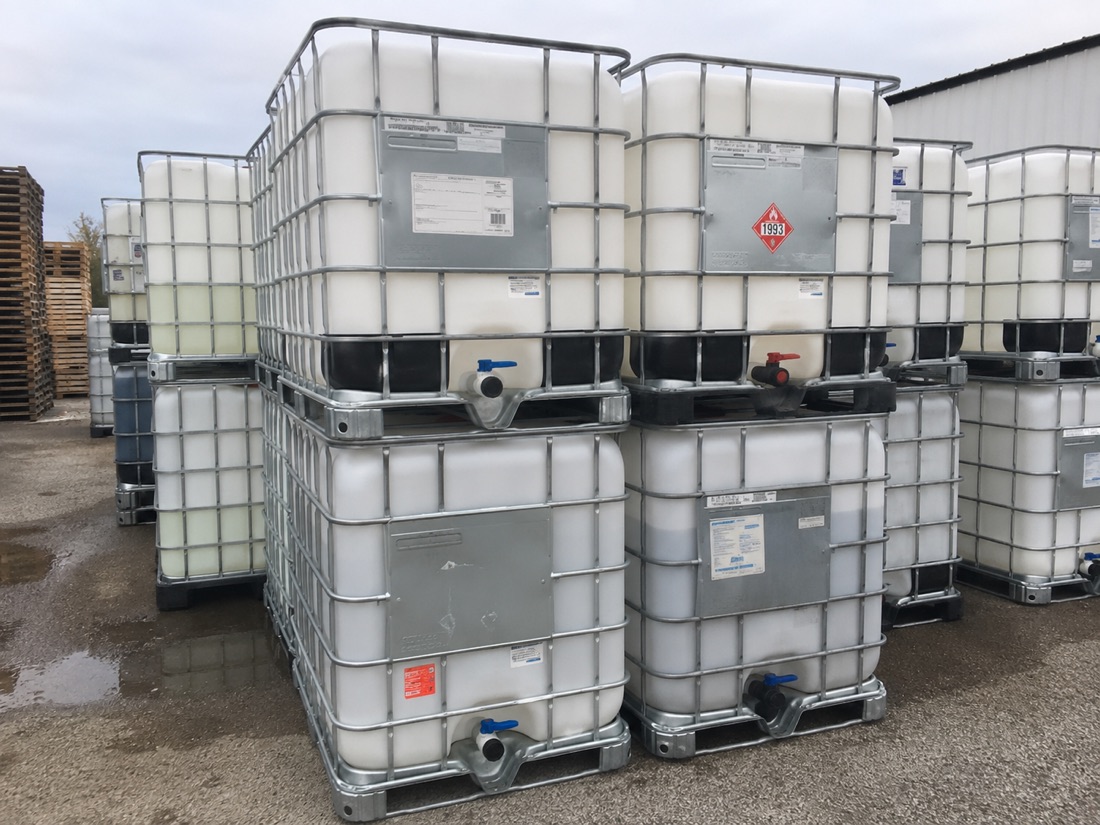
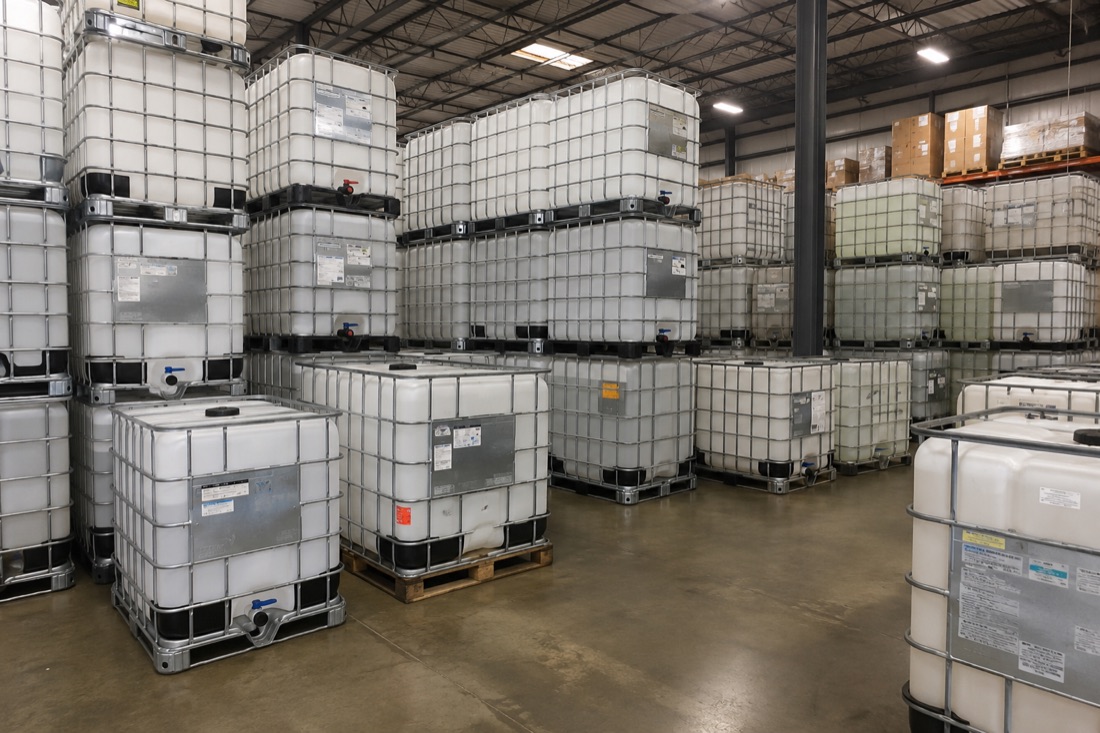
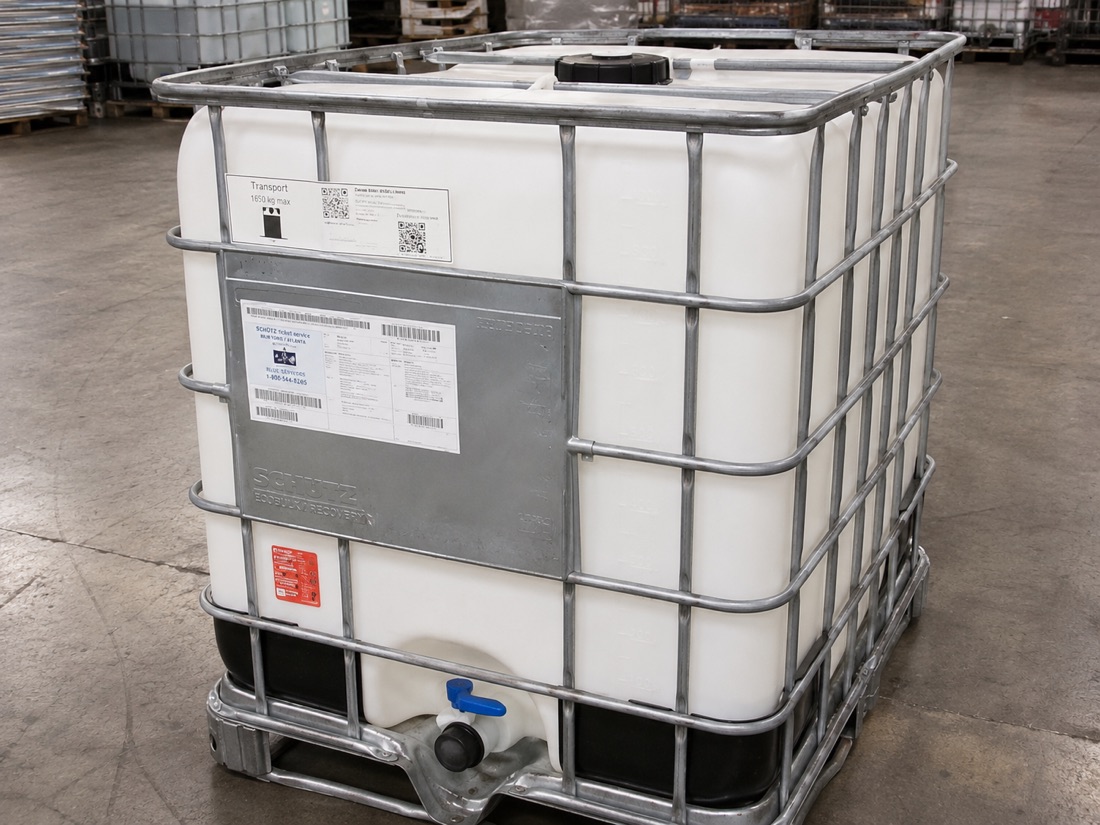
The composite IBC that dominates today, an HDPE bottle inside a welded steel cage on a pallet, brought together several good ideas at once:
- A cube beats a cylinder for space. Drums are round and waste floor space when stacked; the space between them is dead air. A cube-shaped tote uses a warehouse footprint far more efficiently and stacks squarely.
- The pallet is built in. No separate palletizing. A forklift or pallet jack moves a full tote directly, and the four-way pallet base means you can approach from any side.
- One container replaces many drums. A single 275 or 330-gallon tote does the work of roughly five to six drums, with one valve, one lid, and one thing to handle.
- The cage carries the load. The thin, light plastic bottle would never survive stacking or handling on its own. The steel cage takes the structural load, letting the bottle be lightweight and cheap.
That division of labor, plastic for containment, steel for structure, is the quiet genius of the design. Each material does only what it is good at.
Why it took over
Once the composite IBC proved itself, adoption was rapid across chemicals, food ingredients, agriculture, and countless other liquids. The reasons were pure logistics economics.
A tote moves the intermediate volume with a fraction of the labor, a fraction of the floor space, and a fraction of the handling risk of the equivalent stack of drums. Once buyers saw the total cost, the drum lost the middle of the market.
Standardized dimensions meant totes stacked predictably, fit trucks efficiently, and interfaced with standard material-handling equipment everywhere. Standardization is underrated; it is what let the tote become a universal unit of bulk liquid the way the shipping container became a universal unit of freight.
If you want the modern practical version of all this, our IBC tote guide covers today's specifications, and our sizes page lays out the common capacities.
The part the original designers did not plan
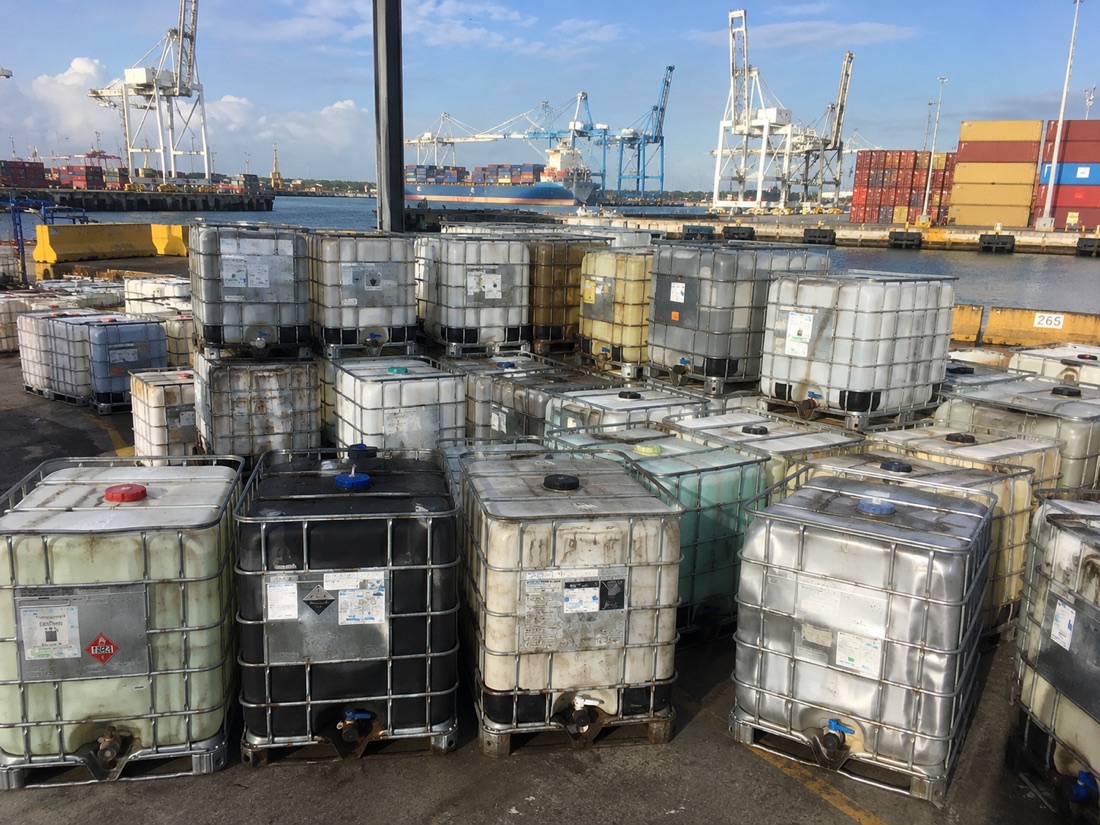
Here is where the story gets interesting for us. The composite IBC was designed as a shipping container, meant to deliver a product and, in many minds, be discarded afterward. It was durable almost by accident, because it had to survive handling and stacking.
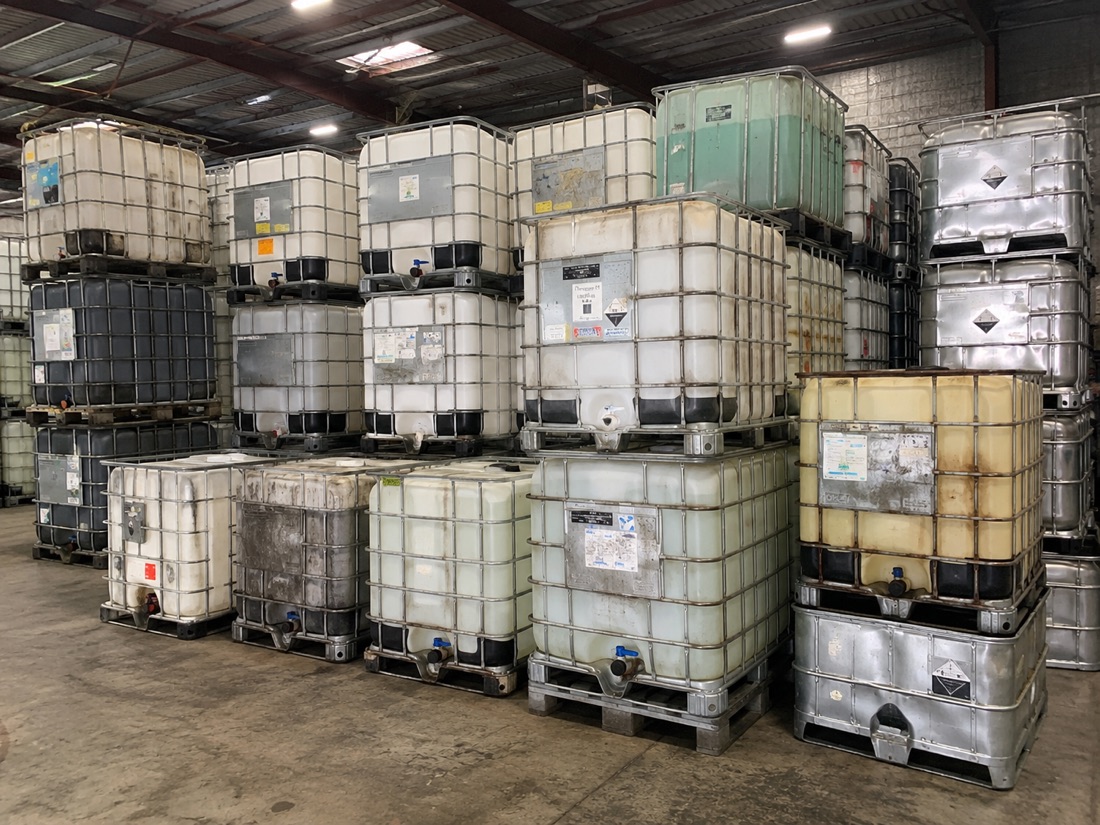
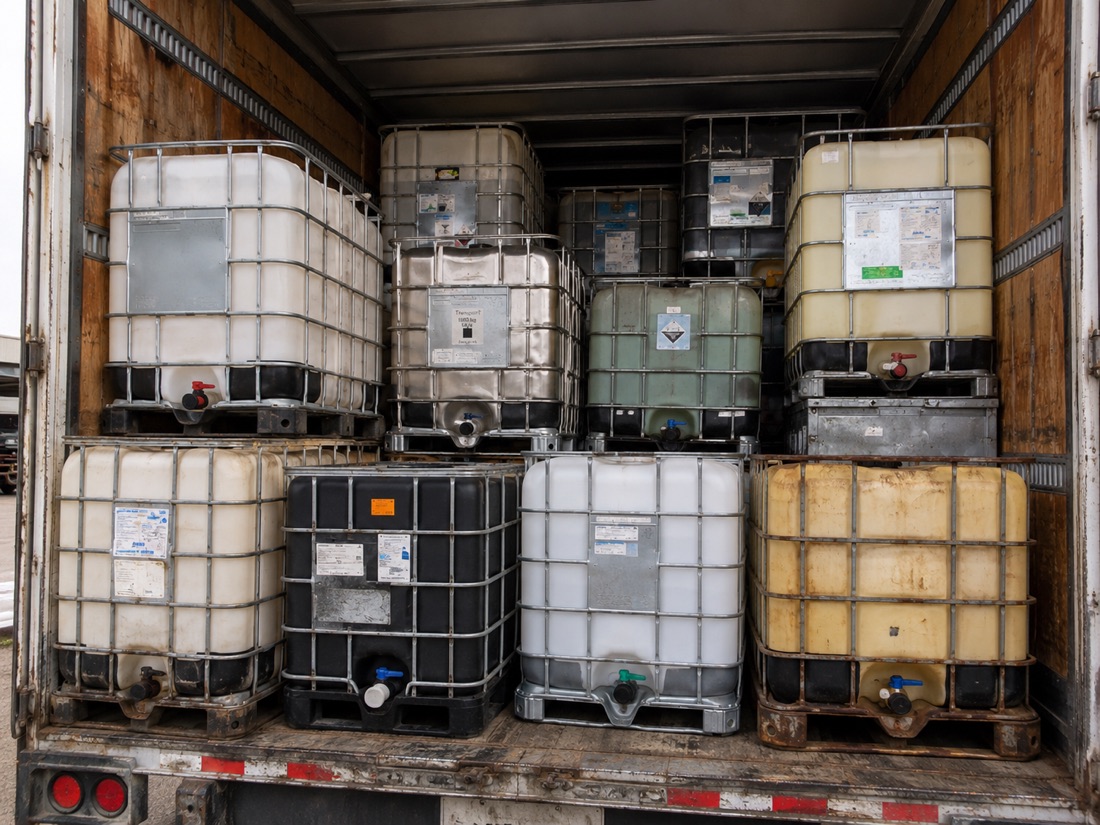
That accidental durability created something the designers never intended: a second life. A tote that has delivered its product is not worn out. The steel cage is fine. The pallet is fine. The bottle, if the product was benign, is often fine. What looked like waste was actually a durable asset with most of its useful life remaining.
That realization is the entire reason companies like ours exist. We buy used totes, inspect and clean them, and put them back into service through reconditioning. The container that industry designed as disposable turned out to be one of the most reusable pieces of packaging ever made. History handed us a durable product and, at first, an industry that treated it as single-use. Correcting that mismatch is the work.
The tote today
A modern tote is a mature, standardized, globally recognized object. Its history is not one of dramatic invention but of a smart combination of existing ideas aimed precisely at an unglamorous gap in logistics. That is often how the most useful things get made.
We think about this history every day on our reconditioning floor in Austin. Every tote that comes through carries the marks of its first job, and part of our craft is reading those marks and deciding whether a container gets a second life, a rebottle, or, only as a last resort, recycling. The caged cube earned its ubiquity. Our job is to make sure it earns its second and third lives too.