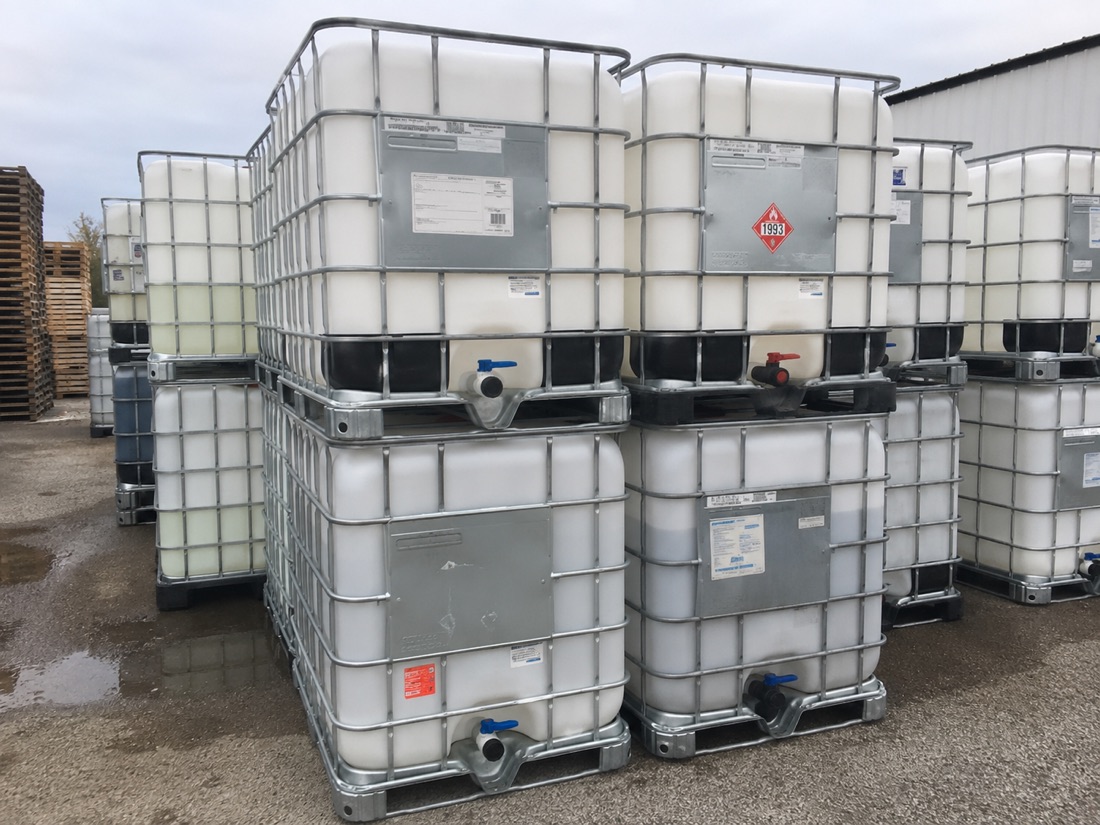
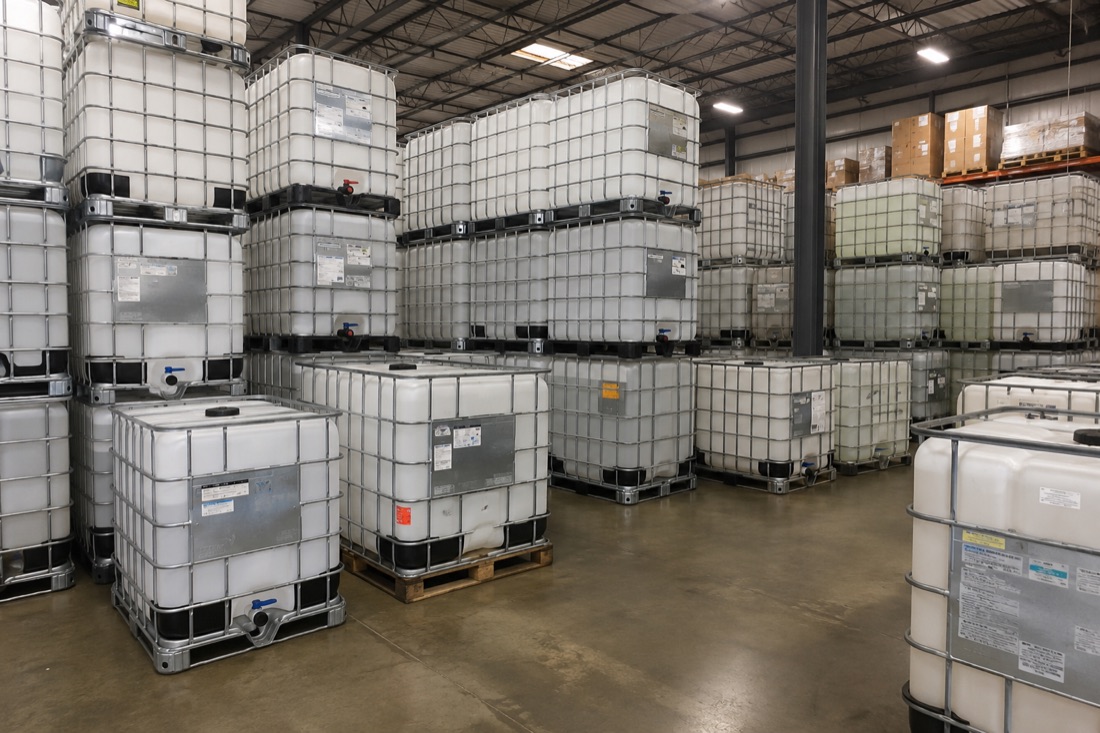
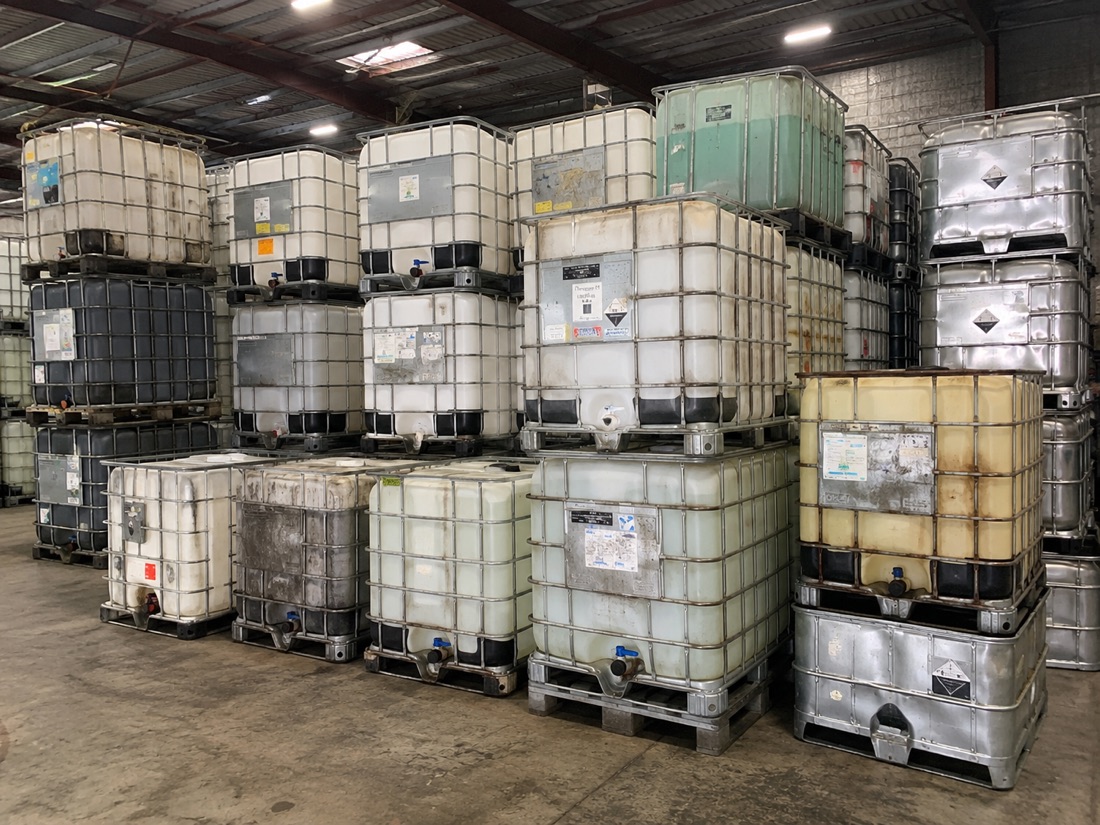
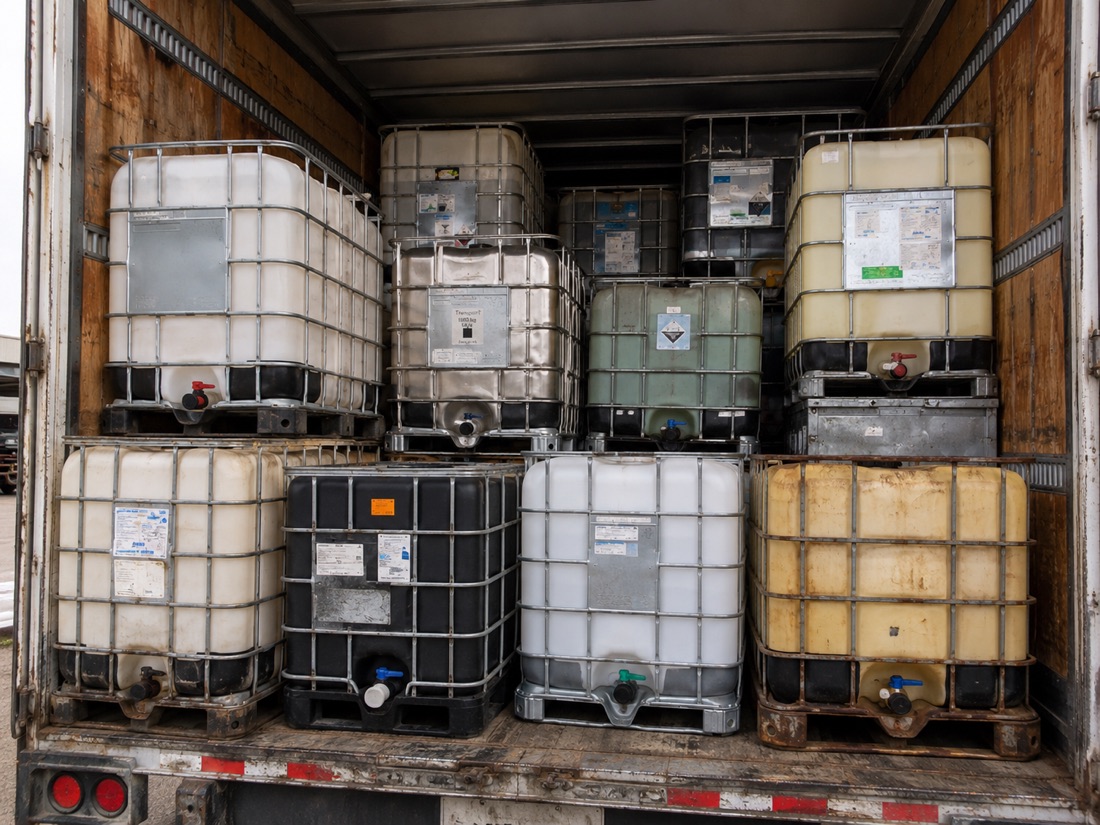
The most ignored part of the tote
When people buy a tote, they inspect the bottle for cracks and glance at the cage for dents. Almost no one flips a mental checklist for the pallet. That is a mistake, because the pallet base is doing real work: it carries the entire loaded weight, interfaces with your forklift, and, depending on the material, can help or hurt your hygiene and export situation.
There are three common tote bases: plastic, steel, and wood (often a composite of wood and metal). Each has a clear best use. Choosing the right one is part of buying the right tote, and it is worth understanding before you order. Our tote product pages note base types, and this guide explains why you should care.
The three base types at a glance
| Base | Best for | Watch out for |
|---|---|---|
| Plastic | Food, pharma, washdown, cleanrooms | Higher cost; check load rating |
| Steel | Heavy loads, ruggedness, longevity | Weight; possible corrosion over time |
| Wood/composite | General industrial, lowest cost | Export rules; moisture; splintering |
Plastic pallets
Plastic bases are the hygiene champions. They do not absorb liquids, they wash clean, they do not harbor pests, and they will not splinter or shed fibers. For food-grade, pharmaceutical, or any washdown environment, a plastic-based tote is the obvious choice. A one-piece molded plastic base is also fully recyclable at end of life as a single material stream.
The trade-off is cost and, on some designs, load rating. A quality plastic base is not cheap, and you should confirm it is rated for your full loaded weight, especially if you plan to stack.
Steel pallets
Steel bases are the workhorses. They shrug off rough handling, carry heavy loads without flexing, and last a very long time. If your totes live in a demanding industrial setting with hard forklift use, a steel base earns its keep through durability.
The downsides are weight and corrosion. Steel adds tare weight to every shipment, which matters if you ship by weight. And in wet or corrosive environments, unprotected steel can rust over years. For most heavy industrial reuse, though, steel bases are the most reconditionable because they rarely need replacement.
Wood and composite pallets
Wood or wood-and-metal composite bases are the economical default and are perfectly fine for a great deal of general industrial service. They are cheap to produce and easy to repair.
But wood carries two real concerns:
- Export compliance. Solid wood packaging crossing international borders is subject to phytosanitary rules (the ISPM 15 standard), requiring heat treatment or fumigation and a stamp. If you are exporting, a non-compliant wood pallet can stop a shipment cold. Plastic and steel sidestep this entirely.
- Hygiene and moisture. Wood absorbs spills, can harbor pests and microbes, and splinters over time. In a food or clean environment, that is a liability.
How to choose
Match the base to the job, not to habit.
- Food, pharma, or washdown? Go plastic. The hygiene and single-material recyclability are worth the premium.
- Heavy, rugged, long-service industrial use? Steel, if you can accept the weight.
- General domestic industrial use on a budget? Wood or composite is fine and keeps cost down.
- Exporting internationally? Avoid untreated wood. Plastic or steel saves you the ISPM 15 headache.
What we check during reconditioning
The pallet is a first-class part of our inspection, not an afterthought. During reconditioning we evaluate every base for:
- Structural integrity and load-bearing capacity
- Forklift-pocket condition (damaged pockets are a safety issue)
- For wood: rot, pest damage, protruding fasteners, and splintering
- For steel: corrosion and weld integrity
- For plastic: cracks and stress fractures at the load points
A perfect bottle on a failing pallet is not a usable tote. The base has to be sound or the whole unit is scrap until it is repaired.
When a base is beyond repair, we replace it rather than pass along a hazard, and the old material goes to the appropriate recycling stream through our recycling service.
The practical takeaway
Next time you spec a tote, say the base type out loud as part of the order, the same way you would specify capacity or valve type. It costs nothing to ask and it prevents the two most common regrets we hear: a wood pallet that could not clear customs, and a wood base in a food plant that failed an audit. If you are unsure which base fits your operation, tell us your use case and we will steer you right.