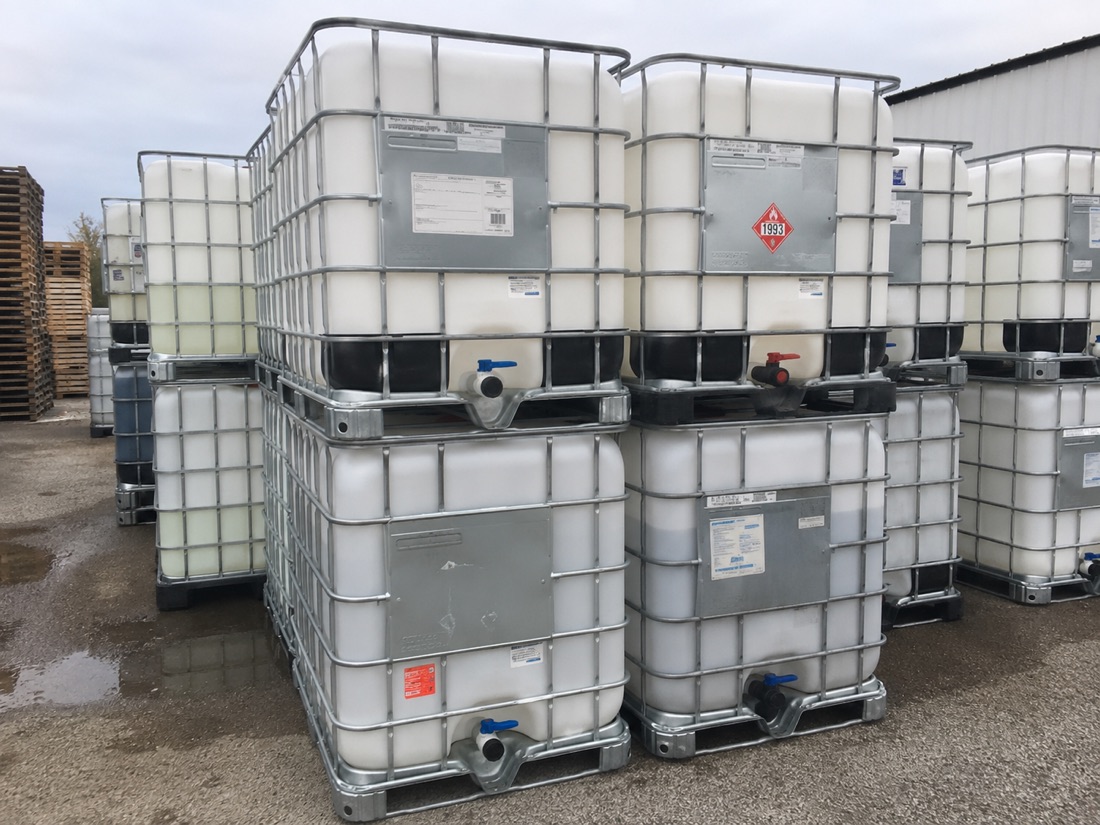
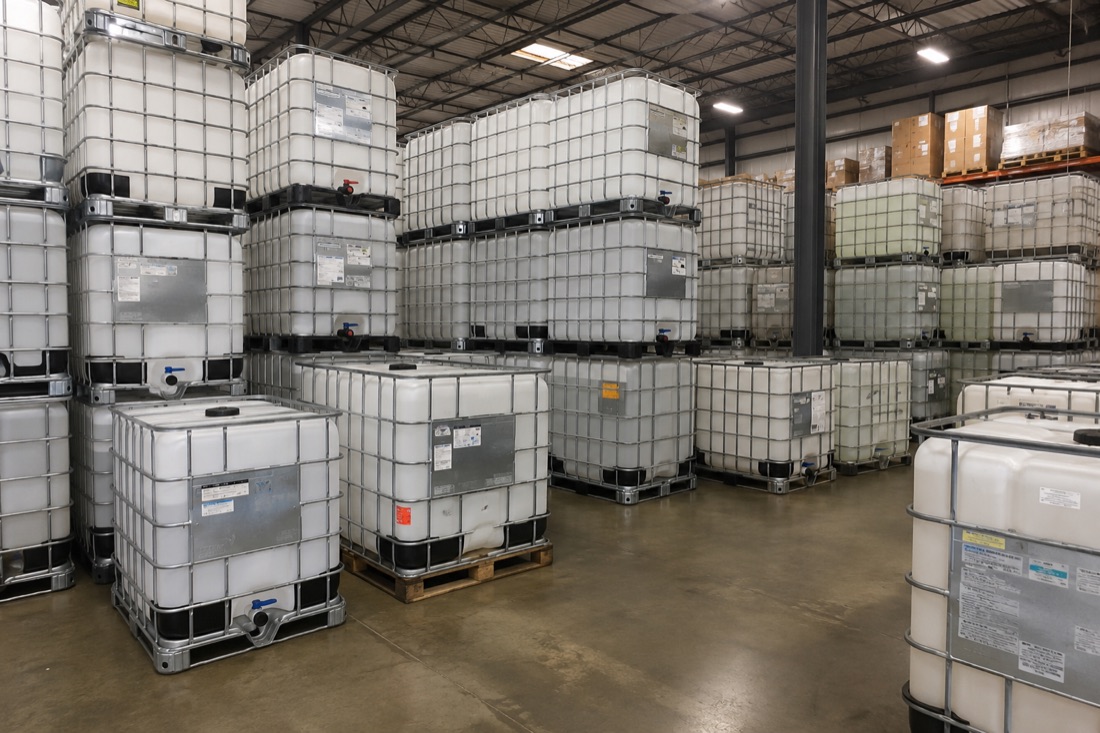
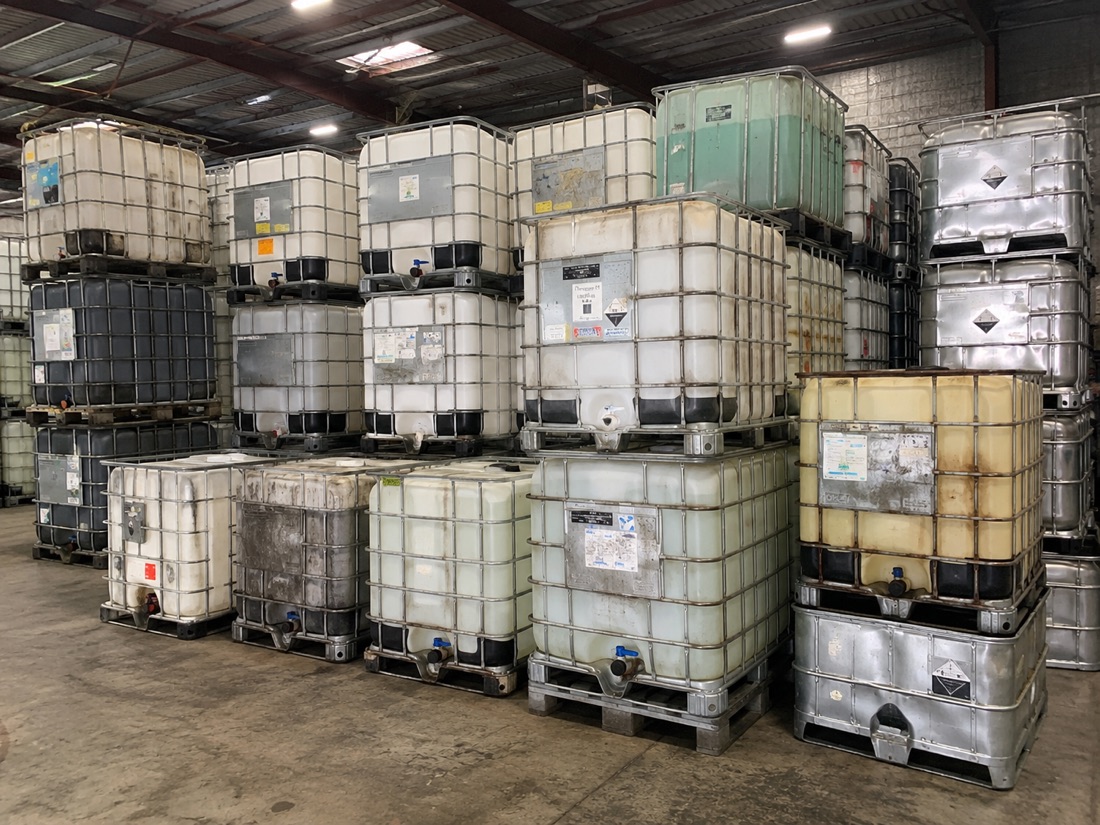
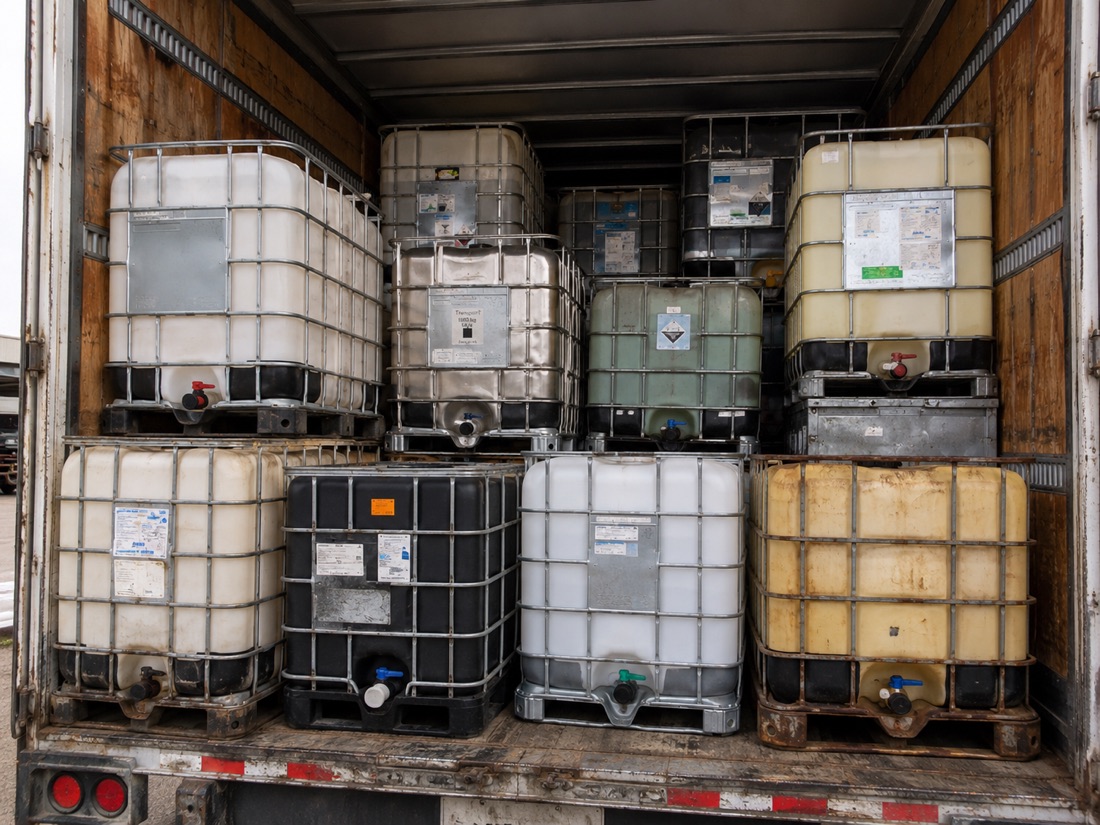
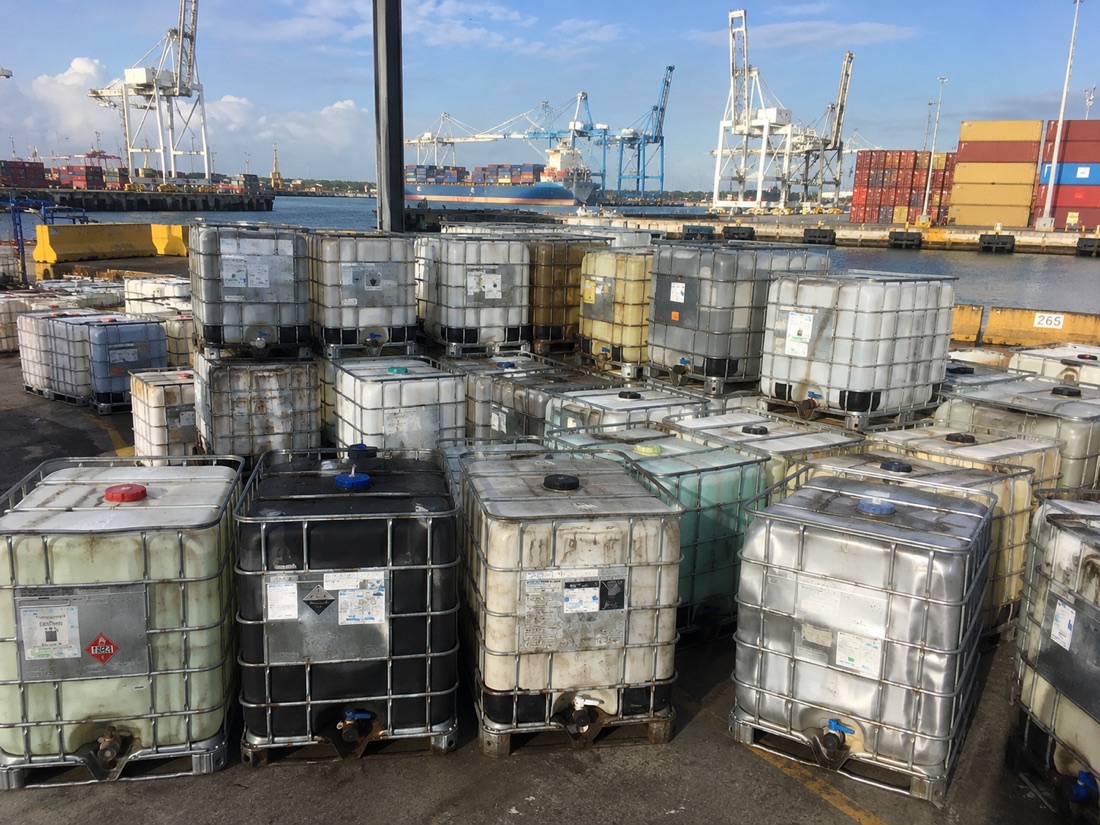
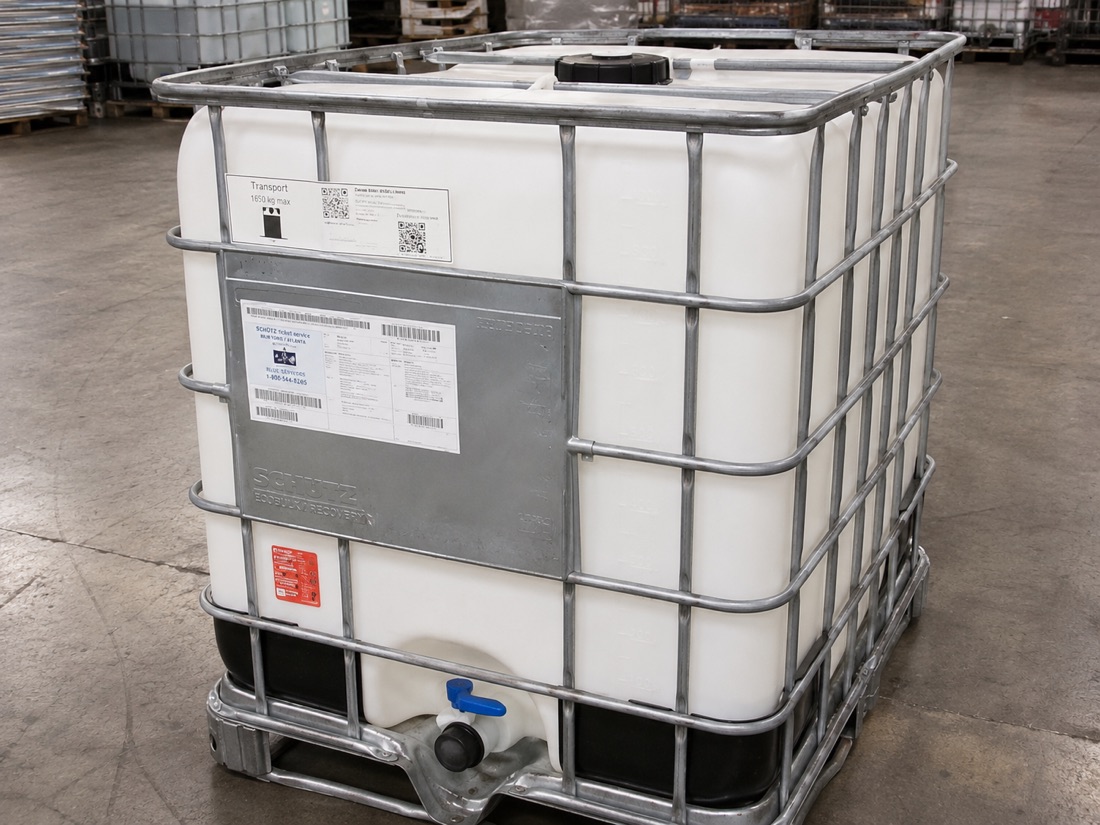
High-density polyethylene is the workhorse plastic of the bulk-liquid world for good reason. It is chemically resistant, impact tough, food-safe when made right, and cheap enough to mold into a 275-gallon bottle. But "resistant" is not "invincible." A surprising number of leaks and failures I have seen trace back to someone assuming HDPE could hold anything liquid. It cannot. Let me draw the practical map.
How HDPE fails
Before the lists, understand the three failure modes, because they explain everything downstream.
- Swelling and softening. Some solvents are absorbed into the plastic, causing the wall to soften and distort. The tote may not leak immediately, but it loses strength.
- Environmental stress cracking. Certain chemicals, especially some surfactants and oxidizers, cause the plastic to crack under stress it would otherwise tolerate. This is insidious because the tote looks fine until it splits.
- Permeation. Small molecules migrate through the wall over time. The tote holds its shape and does not visibly leak, but vapor passes through and the plastic retains a chemical memory. This is why prior contents matter so much for reuse.
HDPE rarely fails like a balloon popping. It fails slowly, through absorption and cracking, which is exactly why compatibility charts matter more than a quick squeeze test.
The generally compatible list
HDPE handles a broad range of common products well, often for years. These are typical safe categories, though always confirm concentration and temperature.
- Water and aqueous solutions, including rainwater and most detergents.
- Many acids at moderate concentration, such as dilute sulfuric, hydrochloric, and phosphoric.
- Many bases, including sodium hydroxide and potassium hydroxide solutions.
- Alcohols, including ethanol and isopropanol.
- Most food products, syrups, glycerin, and vegetable oils.
- Many salt solutions and fertilizers.
The caution and incompatible list
These are the categories that get people into trouble. Some are outright incompatible; others are borderline and depend heavily on concentration, temperature, and exposure time.
| Chemical family | Concern | Verdict |
|---|---|---|
| Aromatic solvents (toluene, xylene) | Swelling, softening | Avoid |
| Chlorinated solvents | Permeation, swelling | Avoid |
| Strong oxidizers (concentrated nitric acid) | Stress cracking, degradation | Avoid or short-term only |
| Ketones and some esters | Absorption | Caution, verify |
| Hydrocarbons/fuels | Permeation over time | Short-term only |
| Bleach (sodium hypochlorite) | Stress cracking at strength | Caution, dilute |
Why concentration and time change the answer
A compatibility chart is never a simple yes or no because three variables move the line.
- Concentration. Dilute acid may be perfectly fine while the concentrated form is not. Bleach at cleaning strength is often okay; industrial-strength hypochlorite can stress-crack HDPE.
- Temperature. Heat accelerates every failure mode. A chemical rated compatible at room temperature may attack the plastic at 120 degrees.
- Duration. Short-term contact for transport is a different question from long-term storage. Some products are fine for a two-day haul but not a two-year sit.
This is why the honest answer to "can HDPE hold X?" is usually "at what concentration, what temperature, and for how long?"
Compatibility and reuse are linked
There is a direct line between this chart and reconditioning. Permeation is why we sort totes strictly by prior contents on our wash line. A tote that held an aromatic solvent has absorbed some of it into the wall, and no wash removes what the plastic has taken in. That unit cannot become a food tote, and it should not be reused for anything sensitive. It goes to material recovery instead.
For your own operation, the practical rules are straightforward:
- Check a reputable compatibility chart for your specific chemical, concentration, and temperature before filling.
- Do not reuse a tote across incompatible product families. If it held solvent, keep it in solvent service or recover it.
- Watch for early warning signs: soft spots, bulging, hazing, or crazing lines in the plastic.
- When the chemistry is aggressive or the stakes are high, consider a spec built for it rather than pushing a standard tote past its limits.
For a broader treatment of inspection and safe handling, see our safety resource. If you are working with a chemical you are unsure about, tell us the details through contact before you fill; we would rather help you spec the right container than process a cracked one. And when a tote has reached the end of what it can safely hold, our recycling program recovers the material responsibly instead of sending it to a landfill.