A leak is rarely a surprise
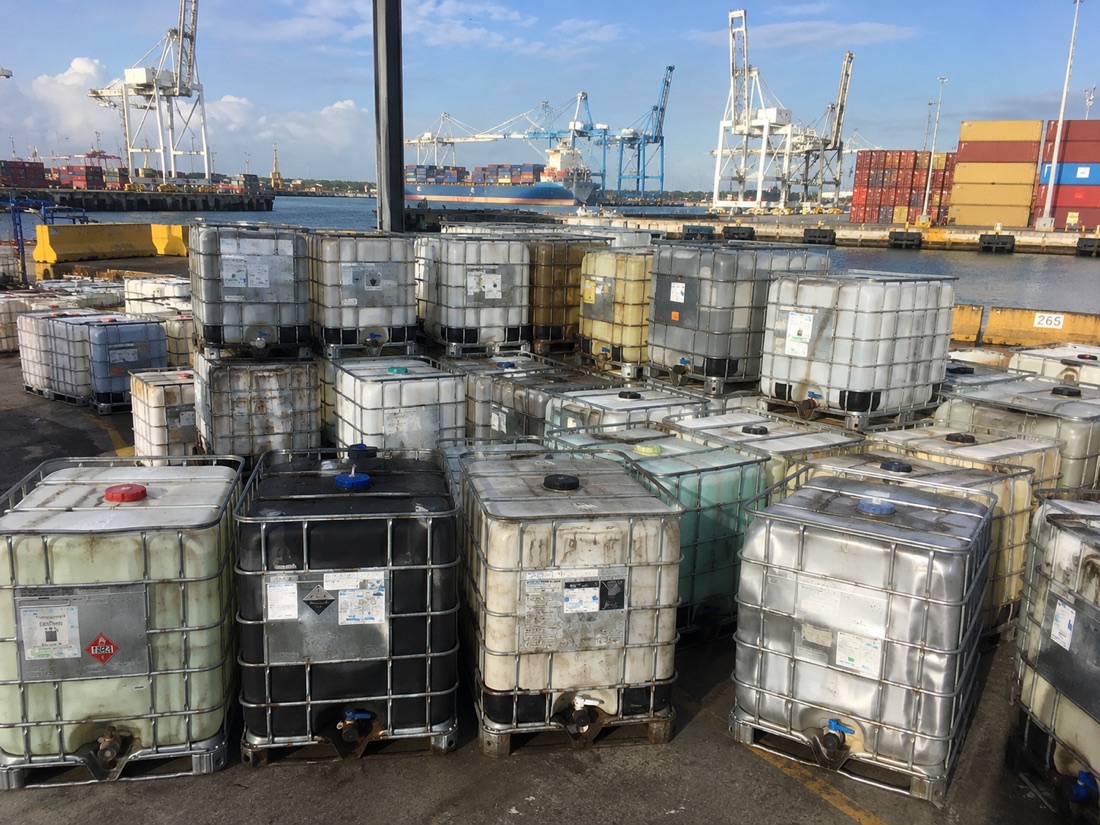
When a tote lets go and puts a puddle on the floor, it feels sudden. It almost never is. A leak is the last chapter of a story that started weeks earlier with a weeping gasket, a hairline stress crack, or a valve that was never seated right. The container was telling you the whole time. The skill is learning to listen.
This matters beyond the mess. Depending on the product, a leaking tote can be a slip hazard, a fire risk, a regulatory reportable event, or a contamination that reaches soil and groundwater. Preventing leaks is where maintenance discipline and environmental responsibility become the same job.
Nearly every catastrophic tote spill was a small, ignorable drip the week before.
The five places totes leak
Leaks are not random. They cluster at a handful of predictable points, and knowing them turns inspection into a checklist instead of a hunt.
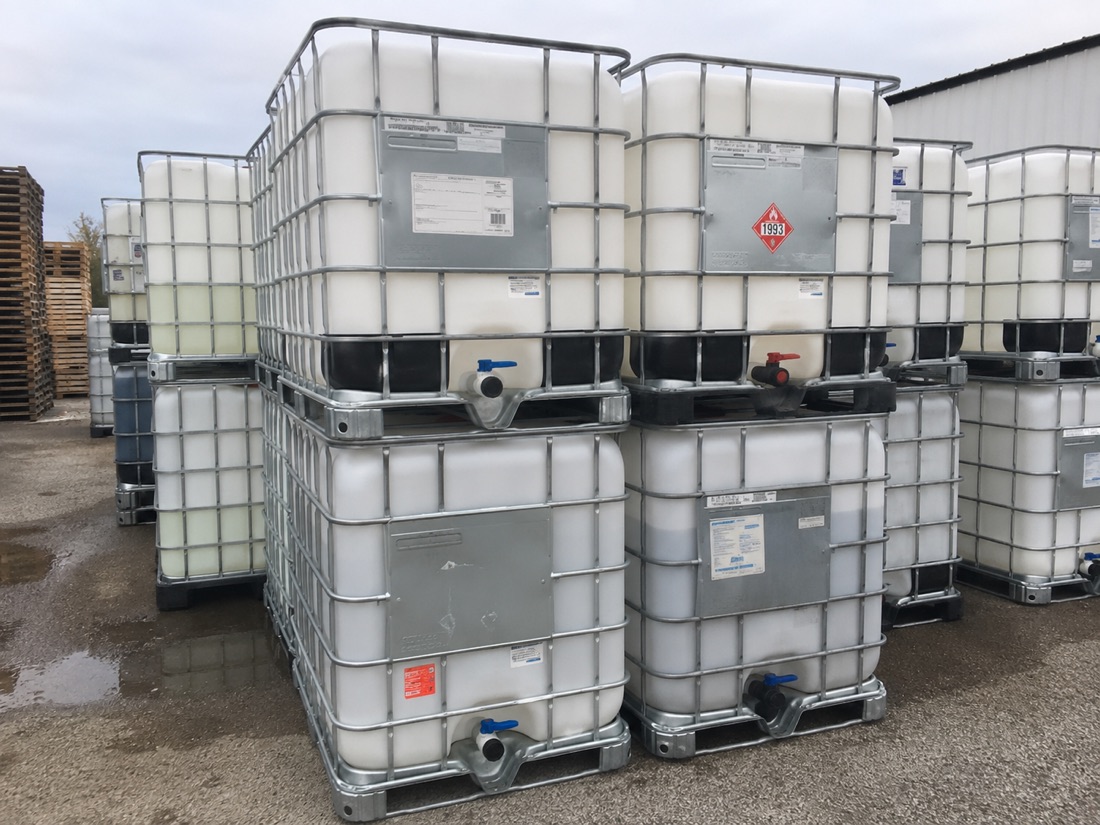
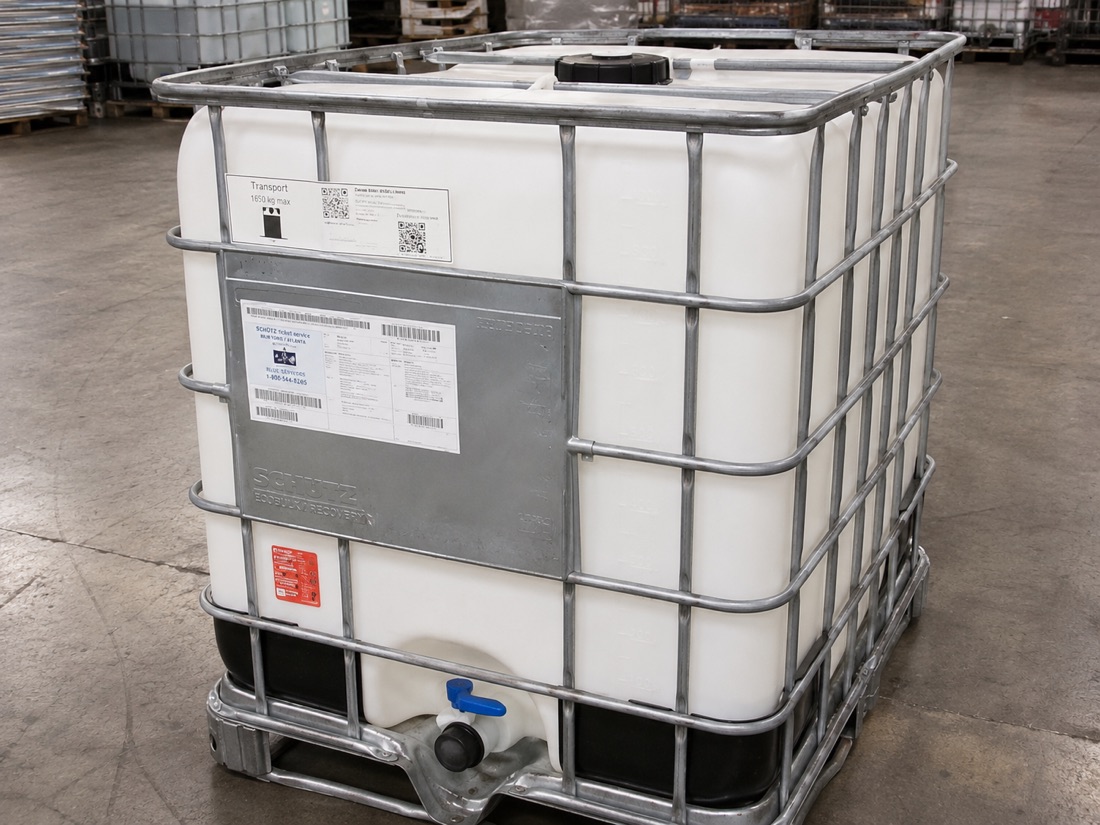
- The discharge valve. The most common leak point by far. Gaskets dry out, threads cross, and the ball or butterfly seal wears. A drip at the valve is often a two-dollar gasket, not a dead tote.
- The fill cap and vent. An improperly seated cap or a missing vent gasket weeps, especially during transport vibration or thermal expansion.
- Bottle seams and corners. The molded seams and lower corners take the most stress. Stress whitening here is a warning; a weeping seam is a condemnation.
- Pinholes from abrasion or freezing. A tote dragged across concrete or left to freeze full can develop tiny perforations that seep slowly.
- The bottle-to-fitting junctions. Where the outlet couples to the bottle, a loose or over-torqued fitting cracks the surrounding plastic.
Detection you can do without instruments
You do not need leak-detection gear for daily practice. You need your eyes, your hands, and a routine.
- Look under, not just at. Most drips land under the pallet, out of the line of sight. Check the floor beneath staged totes every shift.
- Feel the valve and cap. Run a gloved finger around the valve body and cap threads. A film of product where there should be none is an early warning.
- Watch the bottle sidewalls. Bulging means internal pressure or overfill; whitening at corners means stress. Both precede cracks.
- Note fill-level drift. A tote that reads lower than it did last week with no draw is leaking somewhere, evaporating, or was measured wrong. Investigate all three.
- Smell and listen. Some products announce a leak by odor long before you see it. A faint hiss can mean a pressurized weep.
Pressure testing for certainty
When a visual check raises a question, or when a used tote comes in for reconditioning, a pressure and leak test settles it. In our shop the sequence is straightforward.
| Test | What it confirms | Typical result |
|---|---|---|
| Visual and dry-wipe | Surface weeps, valve film | Catches most valve leaks |
| Water fill and hold | Seam and pinhole integrity | Slow drips become visible |
| Low-pressure air with soap | Micro-leaks invisible to water | Bubbles pinpoint pinholes |
| Valve cycle test | Seal wear across open/close | Confirms fitting reuse |
A tote that passes a water-hold and a soap test is honestly leak-tight. That is the standard behind every unit in our reconditioned IBC totes line, because a used tote that has not been tested is a gamble, not a bargain.
Prevention: the habits that keep liquid inside
Detection catches leaks. Prevention keeps them from starting. A few disciplines do most of the work.
Replace wear parts on a schedule, not on failure. Gaskets, caps, and valve seals are cheap and they are the leading cause of leaks. Swapping them proactively is far cheaper than cleaning a spill. Keep spares on hand from our accessories shelf.
Never overfill, and always leave headspace. Liquids expand with heat. A tote filled to the brim on a cool morning builds pressure by afternoon, and pressure finds the weakest seam. Respect the fill line.
Handle gently. The single biggest preventable cause of bottle damage is rough forklift work. Lift from the pallet, set down softly, and never drag. Micro-damage from hard handling is what becomes a pinhole later.
Store out of the sun and off the freeze line. UV embrittles HDPE and freezing expands trapped liquid into cracks. Shade and temperature control extend seal and bottle life together.
Match the product to the tote. A gasket rated for water will not survive a solvent. Confirm chemical compatibility of both the bottle and every wetted seal before you fill.
What to do when you find one
Finding a leak is the good outcome. Acting on it correctly is the point.
- Isolate first. Move the leaking tote over secondary containment or transfer the contents to a sound unit before it spreads.
- Diagnose the source. Valve and cap leaks are usually repairable in place. Seam and bottle leaks are not.
- Repair or retire. A worn gasket gets replaced and the tote returns to service. A cracked bottle is condemned for liquids.
- Do not landfill a retired bottle. A tote that can no longer hold product is still recyclable HDPE and steel. Send it through our recycling service so the material re-enters the stream.
A leak-tight fleet is not luck. It is a two-minute look under the pallet every shift, a box of fresh gaskets on the shelf, and the discipline to test before you trust. Get those three right and the puddle on the floor becomes a story you only hear about from other operations.