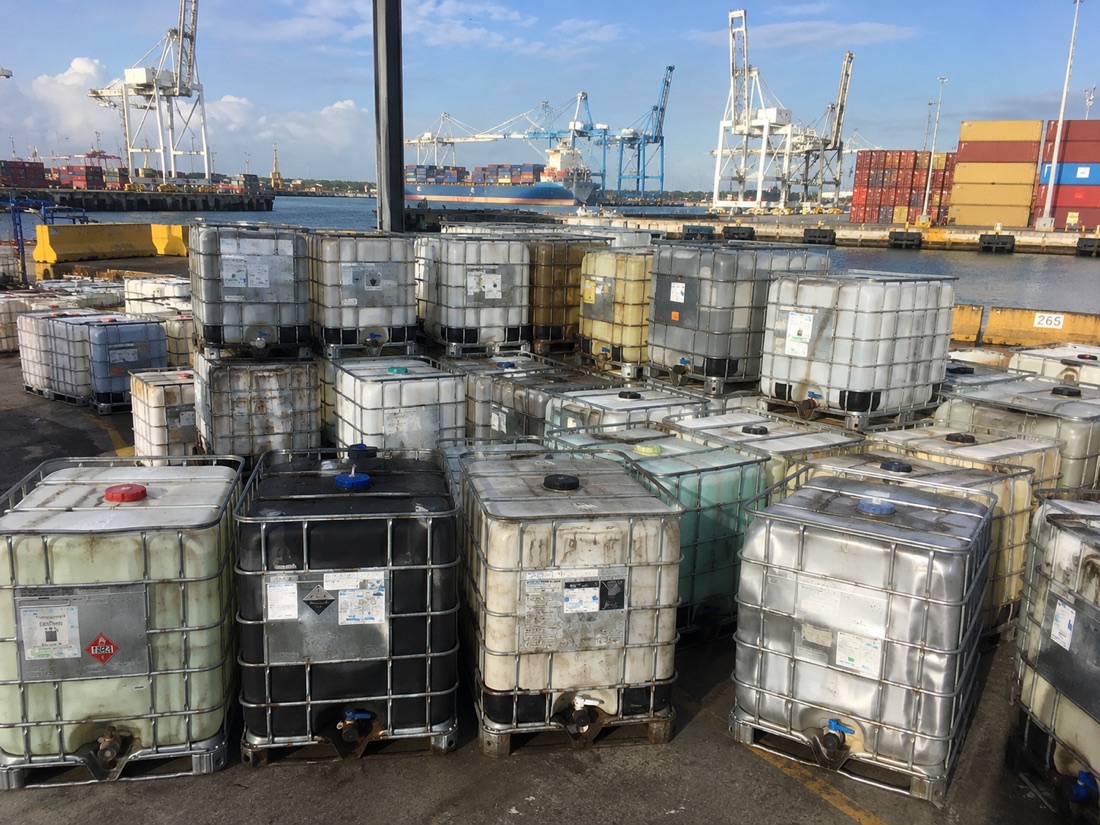
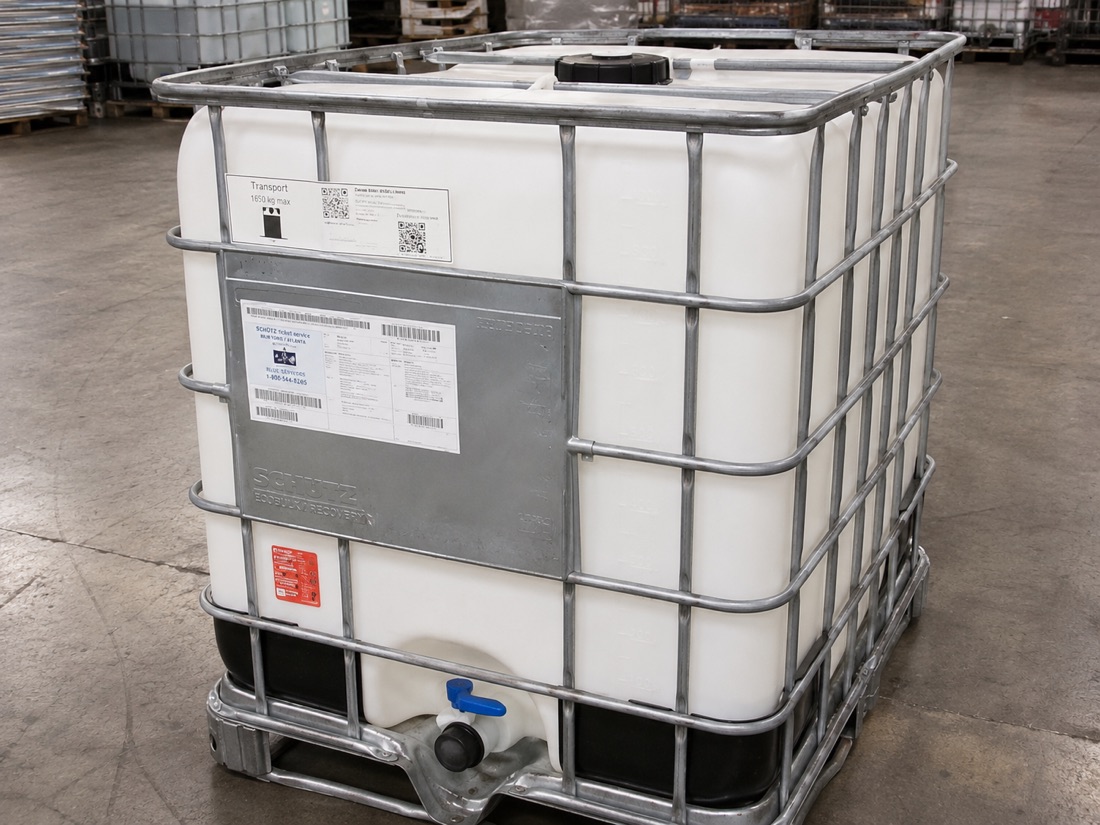
Why a full tote deserves respect
An empty composite IBC weighs about 130 pounds. Fill the 275-gallon bottle with water and it jumps to roughly 2,430 pounds; fill it with a dense chemical and you can clear 2,800. That mass sits inside a thin steel cage, resting on a pallet, often stacked two or three high. The failure modes are not subtle. When something goes wrong with a stacked tote, it goes wrong fast and it goes wrong in gallons.
Most tote incidents we hear about are not exotic. They are a bulged bottle that finally splits, a pallet that rots in a damp corner, or a forklift operator who tried to stack a full unit onto a tote that was never rated to carry it. Every one of those is preventable with a few habits.
A tote does not fail because it is old. It fails because someone asked it to do something it was not rated to do.
Know your stacking ratings before you lift
The single most important number on a tote is not printed in the sales listing. It is stamped on the UN marking plate and repeated in the manufacturer's data sheet: the stacking test load. This tells you how much weight the tote is designed to carry on top of it in storage.
Two ratings matter:
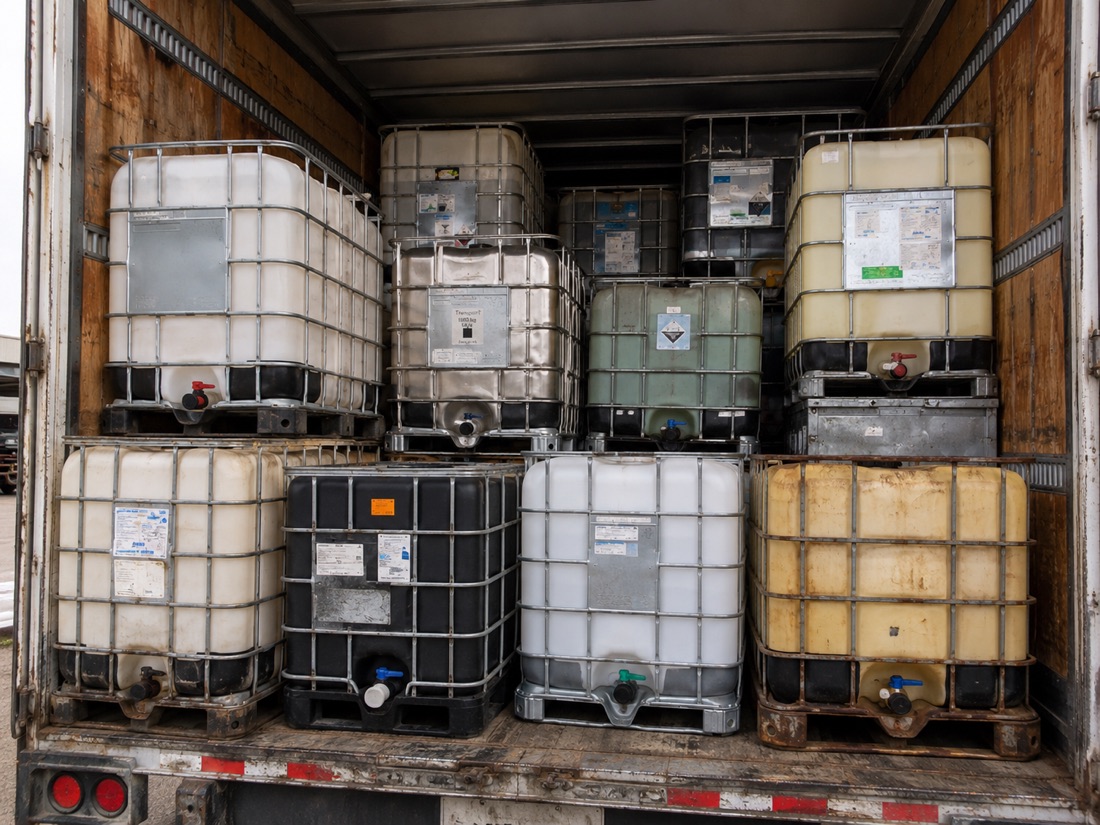
- Stacked in transit — the rating for a tote that will be moved by truck, subject to road vibration and dynamic load. This is always the lower, more conservative number.
- Stacked in storage — the rating for a static warehouse stack on a level floor.
A common composite tote is rated to be stacked three high when full and empty above, but only when the units are matched, undamaged, and squarely aligned. Mixed brands, mixed fill levels, and a cage with a kinked corner post all erode that rating. When in doubt, stack lower.
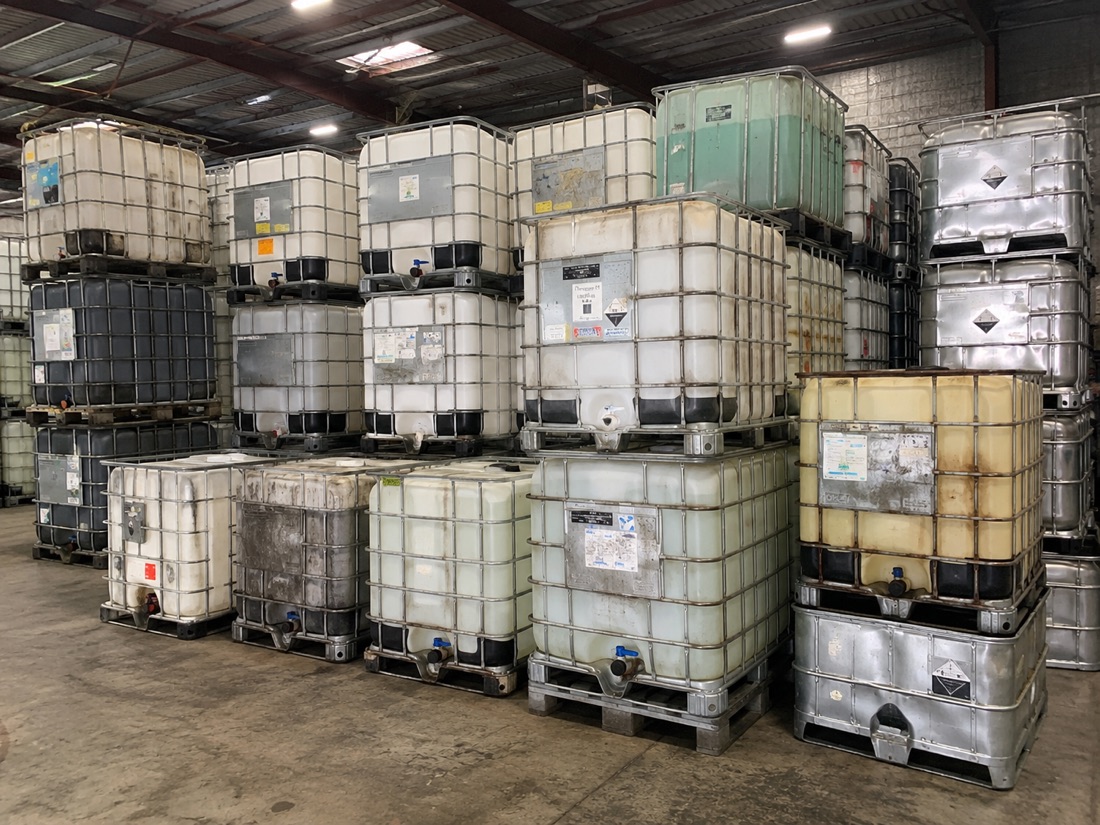
Never stack a full tote on top of a tote holding a different, incompatible product. A leak from above becomes a mixing event below, and some product combinations react.
Prep the floor and the pallet
The cage does the visible work, but the pallet is what actually meets the floor, and it is the part people ignore.
- Inspect every pallet before staging. Cracked stringers, missing deck boards, and protruding nails all concentrate load in the wrong place. A composite bottle pressing down on a broken deck board will deform, and a deformed bottom is a future leak.
- Keep wood pallets dry. Wood that has soaked up a spill or sat in standing water loses strength and grows mold. For long-term or damp storage, plastic pallets or steel-footed totes earn their cost.
- Store on a level, rated floor. A slab that slopes even a couple of degrees turns a three-high stack into a leaning tower. Do not stage totes on gravel, dirt, or asphalt that softens in Texas summer heat.
If you are buying units for a demanding storage program, our reconditioned IBC totes are pressure-checked and matched by cage type so a stack behaves predictably.
Building a safe stack
Stacking is where good intentions meet physics. A few rules keep the pile honest.
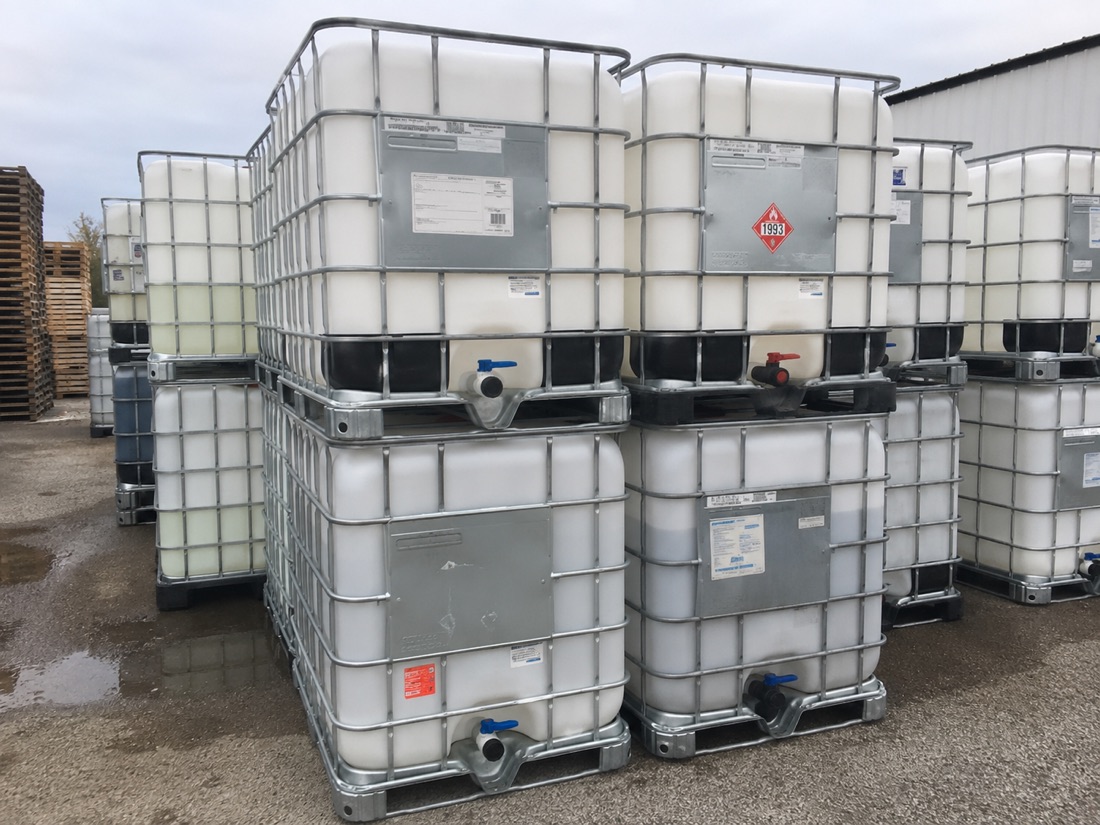
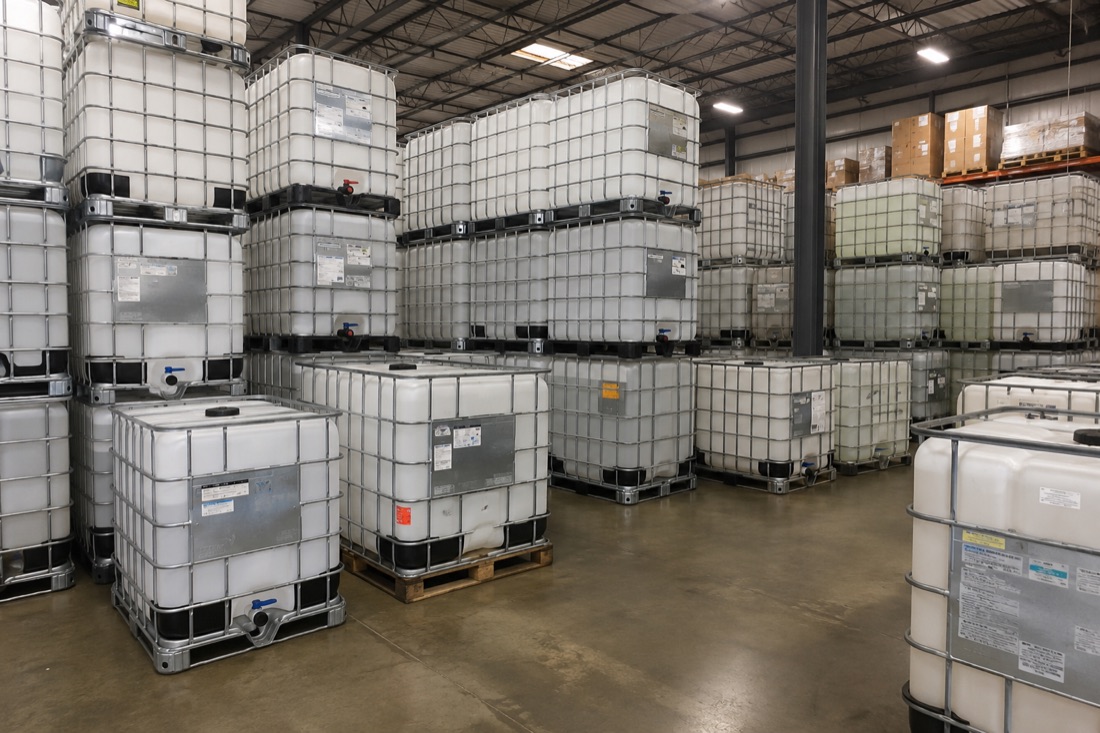
- Align cage on cage, not cage on bottle. The steel frame is the load path. The upper tote's feet must land on the lower tote's frame corners, never centered on the exposed plastic.
- Bottom row full, top row lighter. When you can, put the fullest, heaviest totes on the ground and lighter units up top. It lowers the center of gravity of the whole stack.
- Do not stack damaged units. A tote with a bowed bottle, a rusted cage, or a compromised weld belongs on the floor by itself, not carrying or being carried.
- Leave the valve accessible and closed. A discharge valve pinched between stacked units or left cracked open is a slow-motion spill waiting for the weekend.
Aisle discipline matters as much as the stack itself. Keep a clear path wide enough for the forklift plus a margin, and never store totes where a passing truck mirror or a pallet jack can clip a corner post.
Environmental and chemical considerations
Storage safety is not only about gravity.
Temperature. Composite bottles are HDPE, and HDPE expands and contracts. A tote filled to the brim on a cool morning and then baked in an unshaded yard can build pressure as the liquid warms. Leave the recommended headspace, and shade outdoor totes or store them indoors when the product allows.
Sunlight. UV degrades HDPE over years. A tote living outside in direct Austin sun will chalk and embrittle far faster than one under a roof. If outdoor storage is unavoidable, use UV-rated units or opaque covers and rotate stock.
Segregation. Group totes by hazard class, and keep incompatible chemicals in separate bays with their own containment. Oxidizers away from flammables, acids away from bases. This is not just good practice; for many products it is a code requirement.
Secondary containment. For anything hazardous, the whole stack should sit over spill containment rated for at least the volume of the largest single tote, plus a margin. A cheap containment pallet is far cheaper than a reportable release.
Handling and inspection routine
The safest warehouse is one where inspection is a habit, not an event.
| Checkpoint | What to look for | Action if failed |
|---|---|---|
| Cage frame | Bent posts, cracked welds, rust bloom | Isolate, do not stack |
| Bottle | Bulging, stress whitening, weeping seams | Empty and remove from service |
| Pallet | Cracks, rot, missing boards | Re-pallet before staging |
| Valve and cap | Drips, cross-threading, missing gasket | Replace before storage |
Train forklift operators to approach totes squarely, lift from the pallet, and never to push a stack into alignment with the forks. When a stack needs squaring, break it down and rebuild it.
When a tote reaches the end of its safe storage life, it does not have to reach the landfill. Send tired units through our recycling service and the HDPE and steel both go back into the stream. Storage safety and ecology point the same direction here: a tote that is respected lasts longer, leaks less, and stays out of the waste pile.