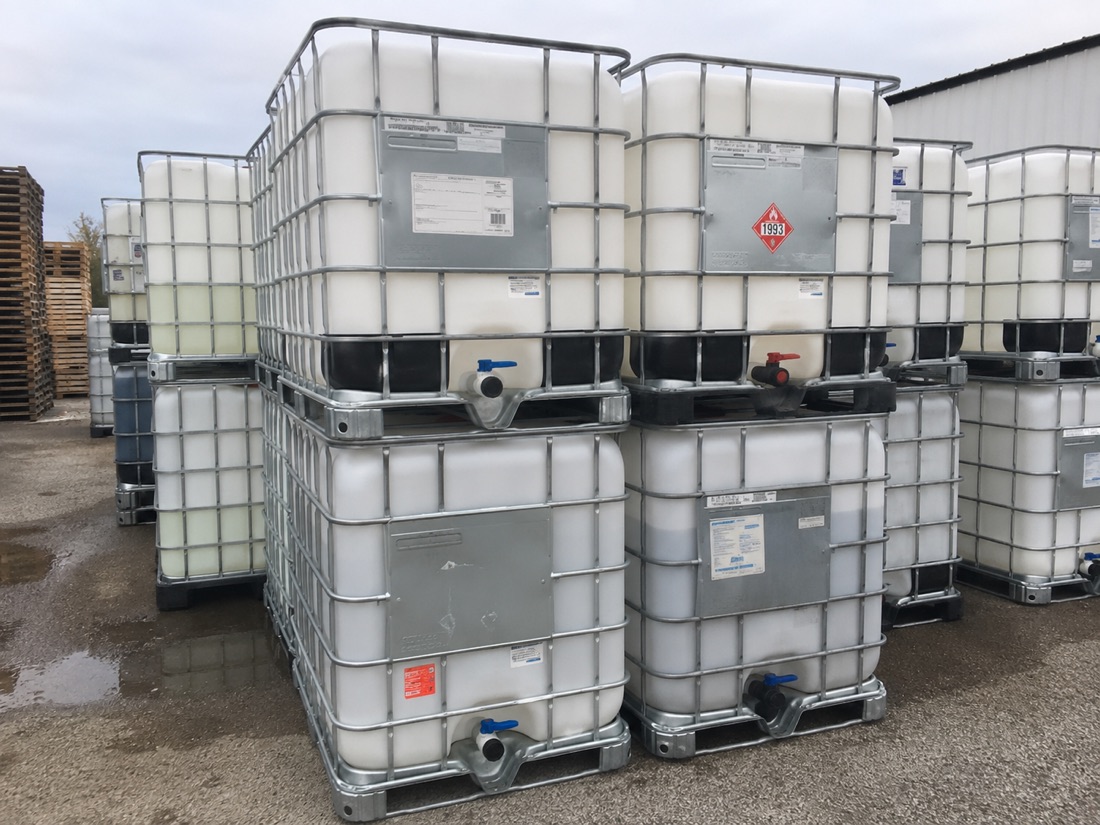
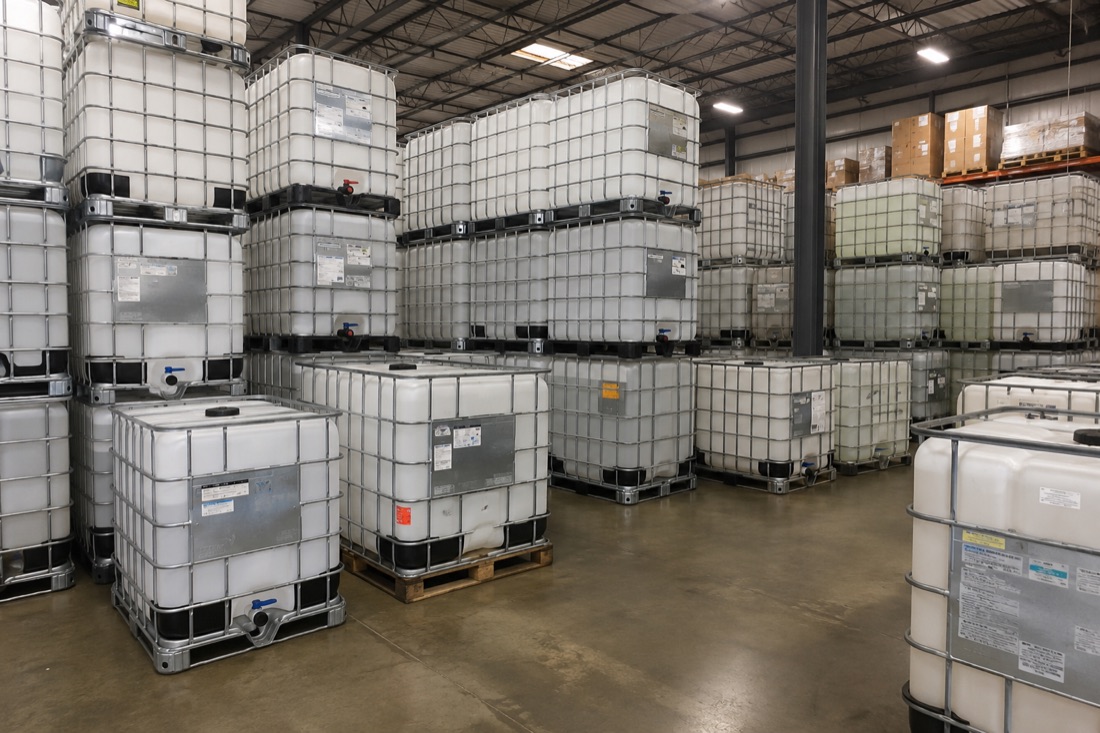
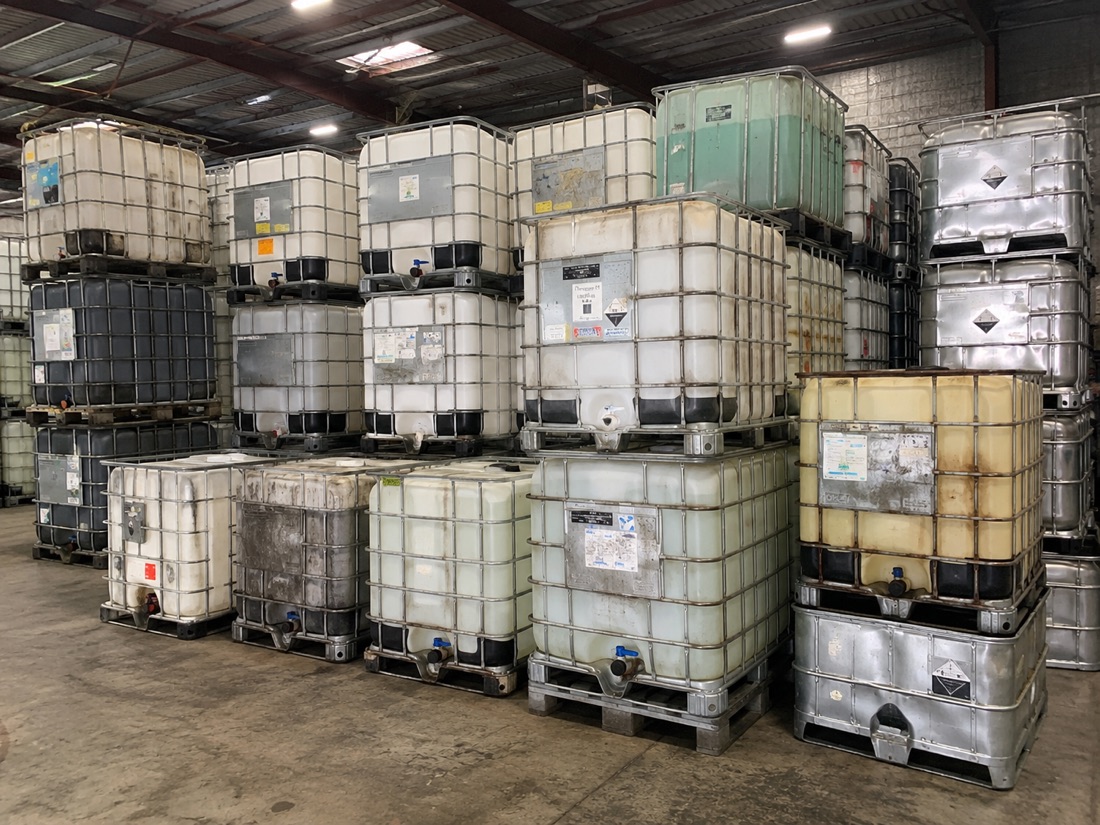
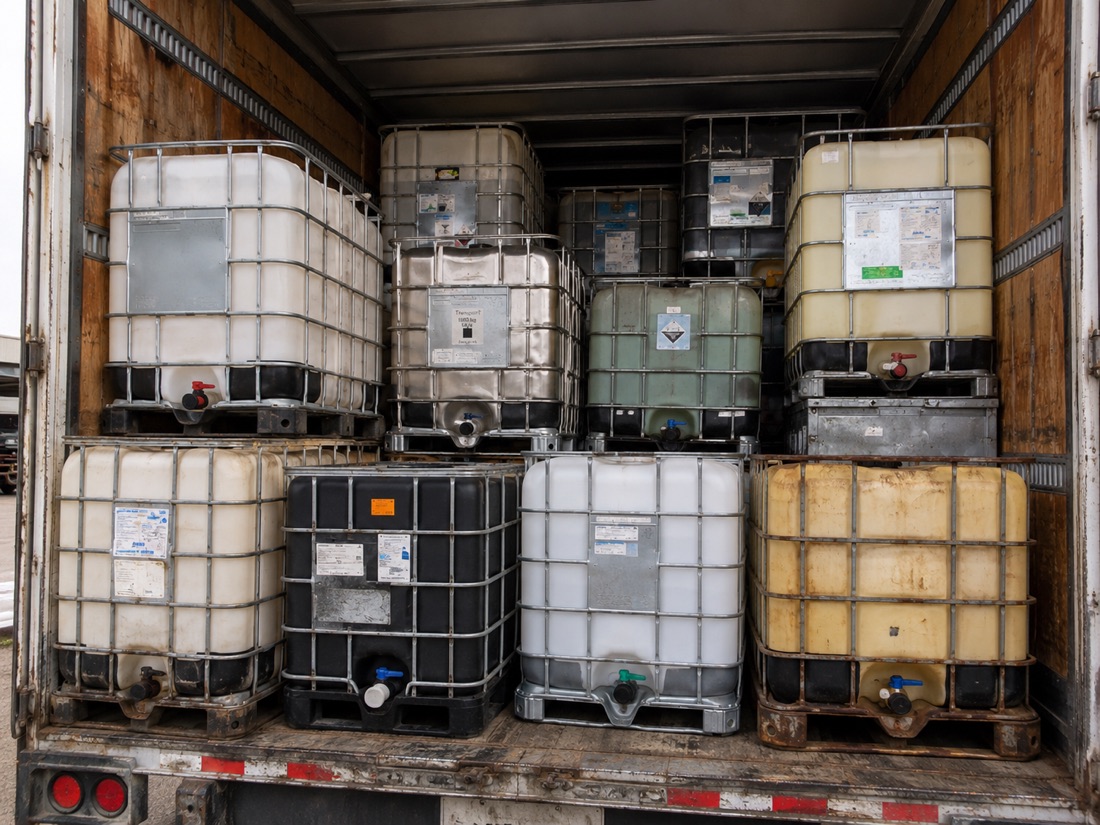
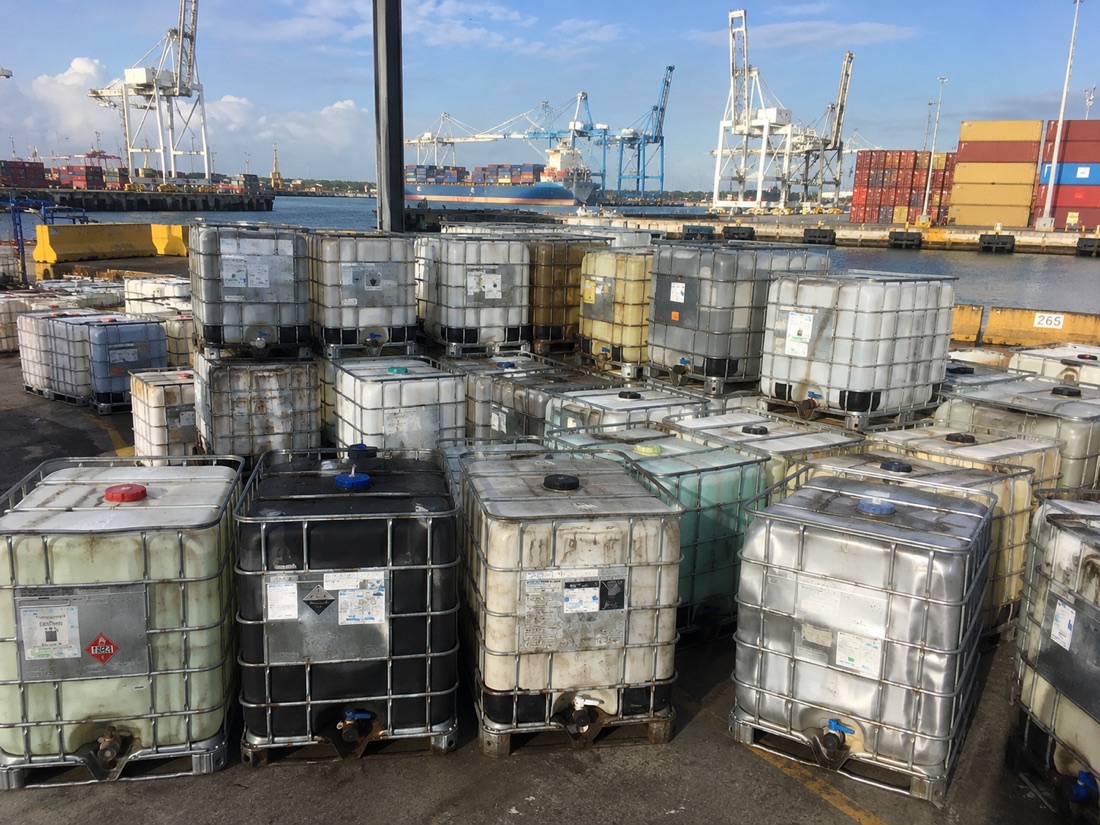
A used IBC tote can be one of the best value buys in industrial packaging, or it can be a headache that leaks, fails your audit, or contaminates your product. The difference is almost always in the inspection. After sorting thousands of inbound totes on our Austin floor, I can tell you that ten focused minutes with the right eyes will catch nearly every problem worth catching.
This guide walks through what we look at, in the order we look at it. You can apply the same sequence whether you are buying one tote from a neighbor or a truckload from a broker.
Start With the Story, Not the Steel
Before you touch anything, ask what the tote last held. The previous contents dictate almost everything downstream: how it must be cleaned, whether it can ever touch food or potable water again, and what residual odor or staining you should expect.
- Food-grade history (syrups, juice concentrate, edible oils) is the gold standard and the easiest to recondition.
- Surfactants and soaps rinse well but foam forever if not fully flushed.
- Petroleum, solvents, and adhesives may permanently stain the bottle and are almost never suitable for potable reuse.
- Unknown history should be treated as the worst case until proven otherwise.
Ask for the last label, the SDS, or at minimum a verbal answer you can write down. A seller who cannot tell you what was inside is telling you something important. If you are still deciding how a tote will be classified after cleaning, our grades explainer lays out the food-grade, rinsed, and as-is tiers we use.
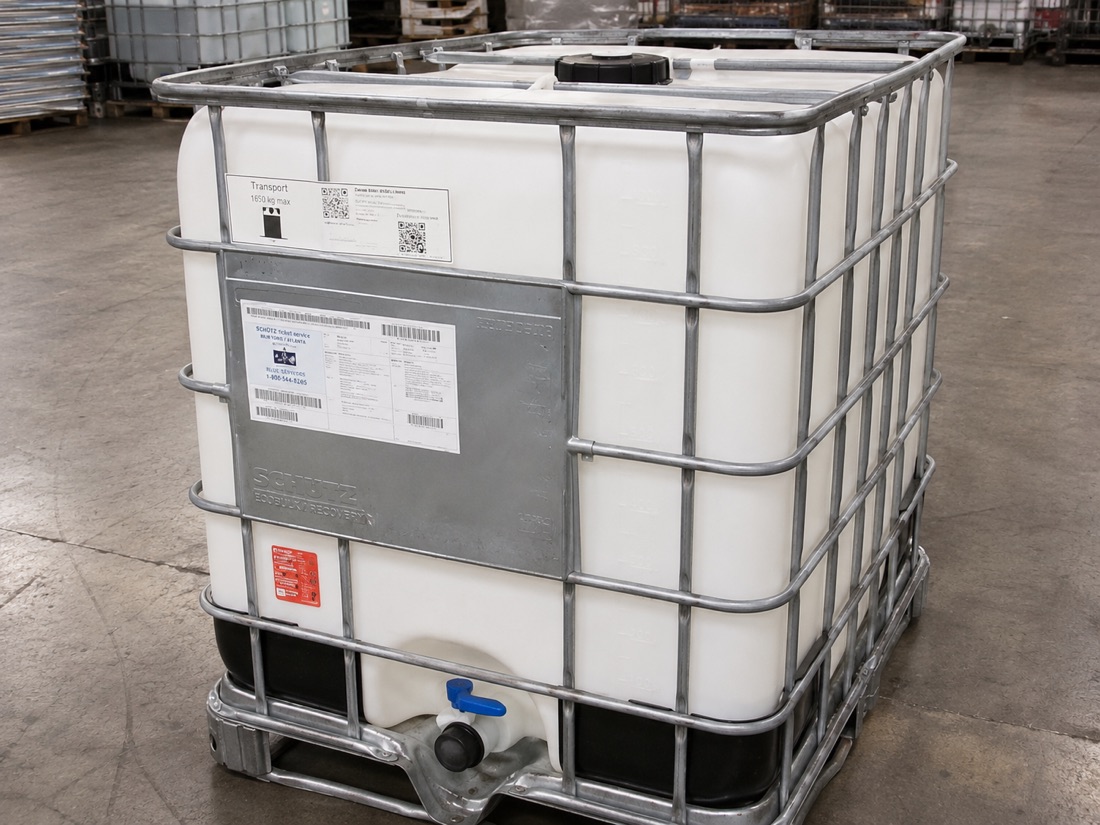
Inspect the Bottle for Structural Health
The high-density polyethylene bottle is the part that actually holds your liquid, so give it the most attention.
- Look for bulging or ballooning. A bottle that has permanently deformed outward was likely over-pressurized or stored in heat. Deformed bottles have stretched walls and shortened service life.
- Check the bottom corners. This is where stress cracks start. Run a hand along the lower radius and look for star-shaped crazing or hairline splits.
- Assess UV degradation. Chalky, faded, brittle plastic means the tote lived outdoors for years. Press a fingernail into the surface; healthy HDPE resists, sun-baked plastic flakes.
- Smell it. Open the lid and take an honest breath. Strong solvent or sour odors often signal contents that soaked into the polymer and will never fully leave.
A cloudy bottle is not automatically bad. Some cloudiness is normal aging. Cracks, deep gouges, and permanent bulges are the disqualifiers.
Read the Cage and Pallet
The galvanized steel cage carries the load and keeps the bottle from bursting. A tired cage is a safety issue.
- Weld integrity: Scan the joints where the horizontal and vertical bars meet. Broken or ground-off welds mean the cage has flexed under load.
- Rust: Surface rust is cosmetic. Flaking, scaling rust at load-bearing joints is structural.
- Bar straightness: Bowed or kinked bars indicate a drop or a forklift strike.
- Pallet type: Composite and plastic pallets survive washing and outdoor storage; wood pallets rot, harbor pests, and may be rejected by food and export customers.
Match the tote type to your handling reality. If you move totes with a pallet jack, confirm the pallet has bottom deck boards or runners the jack can enter.
Verify the Fittings and Valve
Fittings are cheap to replace but expensive to overlook when a tote fails on day one.
| Component | What to check | Common failure |
|---|---|---|
| Bottom valve | Opens and closes fully, no drips | Cracked seat, seized handle |
| Valve gasket | Present, supple, not flattened | Dry-rotted EPDM |
| Cap and gasket | Threads clean, cap seals | Missing or stripped cap |
| Lid vent | Clear, not painted over | Clogged, causing collapse on discharge |
Bring the valve to the fully open and fully closed position twice. A valve that hangs up in the cold or leaks under a light water test should be swapped before the tote enters service. We keep the whole family of replacement parts on our accessories page so a good bottle is not condemned by a five-dollar gasket.
The Water Test You Should Always Run
If the seller allows it, put a few gallons of water in the tote, lift it, and watch the corners and valve for thirty seconds. Water finds cracks that eyes miss. For any tote destined to hold liquid, this is the single most valuable minute of the inspection.
Match Grade to Purpose
Not every job needs a spotless food-grade bottle, and not every cheap tote is a bargain. Line the tote up against your actual use:
- Potable water, food, or cosmetics: demand documented food-grade history and a professional wash.
- Industrial chemicals and cleaning products: a sound rinsed tote is usually fine.
- Rain capture, ballast, or secondary containment: an as-is tote with a healthy cage can be a great deal.
If you would rather skip the guesswork, our reconditioned totes arrive washed, tested, and graded, and our team is happy to talk through your application before you commit. Reach out through contact and tell us what you are filling.
A Ten-Minute Checklist to Carry
- Confirm last contents and get documentation.
- Inspect bottle for cracks, bulges, and UV damage.
- Smell the interior.
- Check cage welds, rust, and bar straightness.
- Identify pallet type.
- Cycle the valve and inspect gaskets and cap.
- Run a water test if permitted.
- Match the grade to your intended use.
Buy the tote that passes all eight, and you will spend your energy on your product instead of on returns and cleanups.