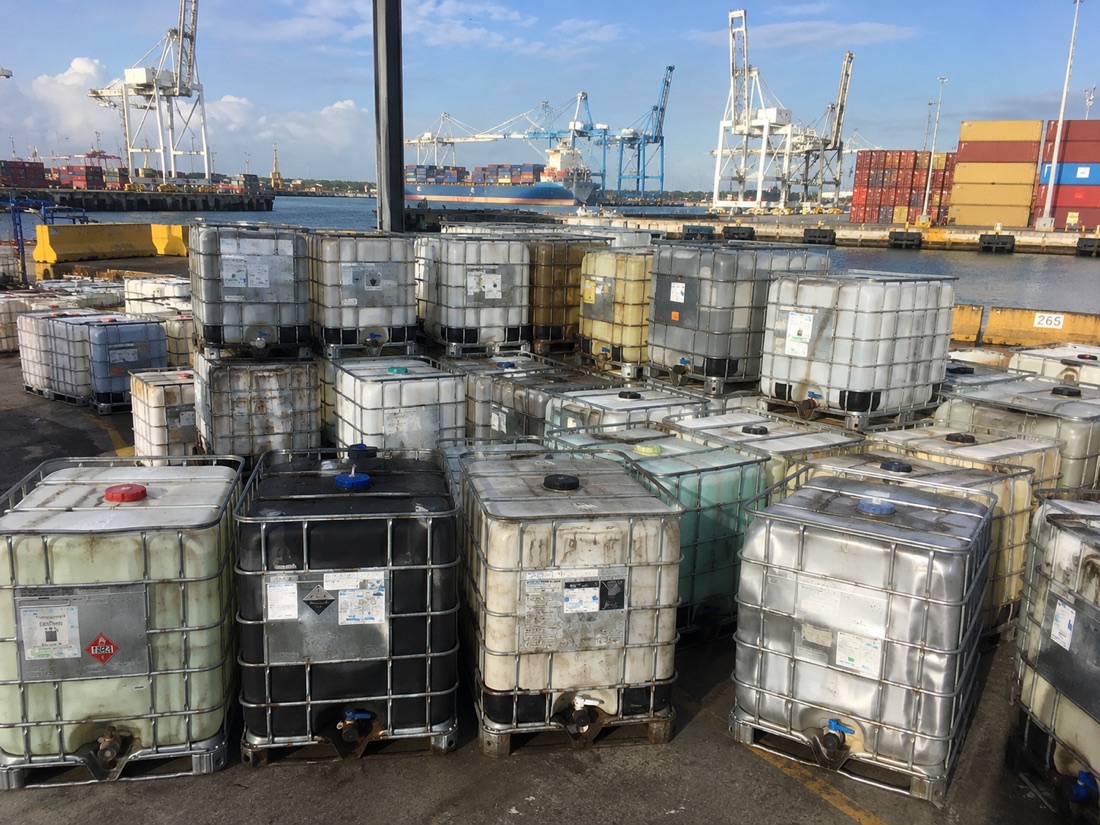
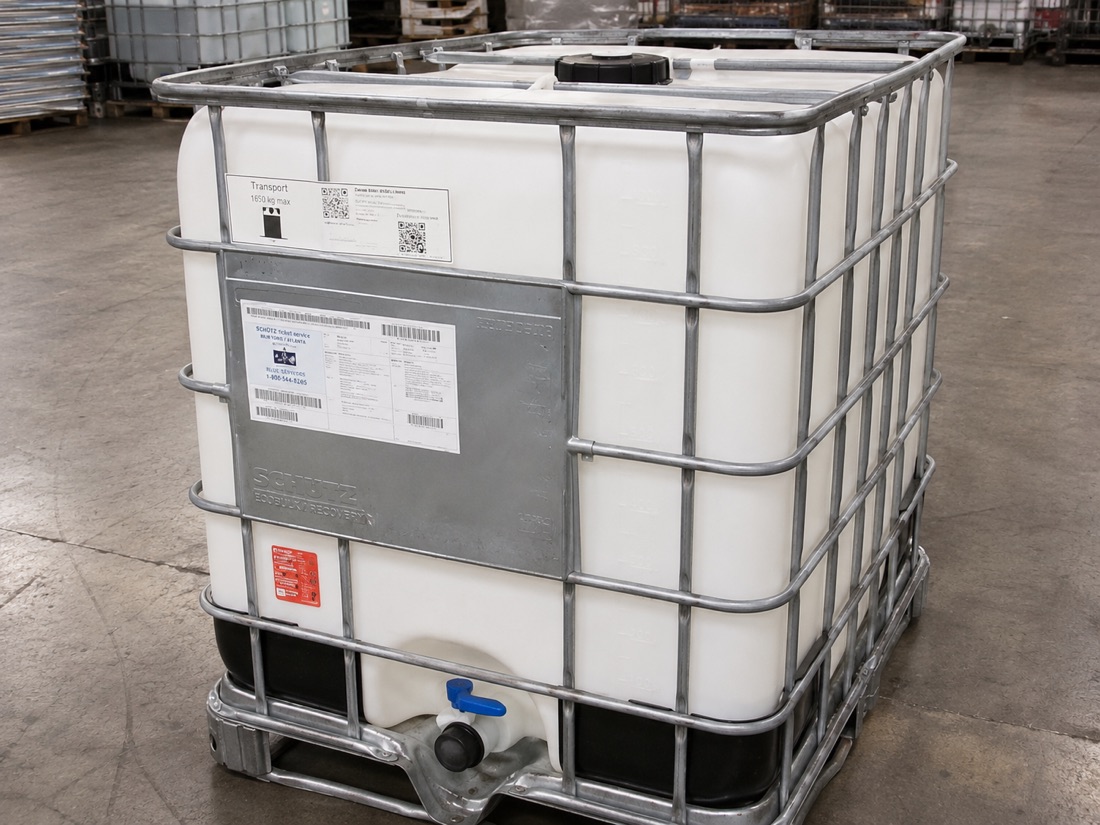
"Should I buy new or reconditioned?" is the question I get more than any other, and the honest answer is: it depends, but usually reconditioned. That is not a sales line; it is what the math shows for most applications. What follows is the real breakdown, including the specific cases where I will tell a customer to spend more on new, because those cases exist and pretending otherwise would cost them.
Start with total cost, not sticker
The mistake buyers make is comparing sticker prices. A reconditioned tote costs meaningfully less than a new one up front, but the smarter comparison is cost per use over the container's working life. A tote you fill and empty a hundred times has a very different cost-per-cycle than one you fill twice and retire.
The variables that actually drive your ROI are:
- How many fill cycles you will get out of the tote.
- Whether your application needs new or tolerates reconditioned.
- Resale or return value at end of life.
- The carbon cost, if that matters to your reporting.
A representative comparison
Prices vary by grade, region, and volume, so treat these as illustrative ratios rather than quotes. The point is the shape of the math, not the exact figures.
| Factor | New tote | Reconditioned tote |
|---|---|---|
| Up-front cost | Highest | 40 to 60 percent less |
| Prior-contents certainty | Absolute | Verified by grade |
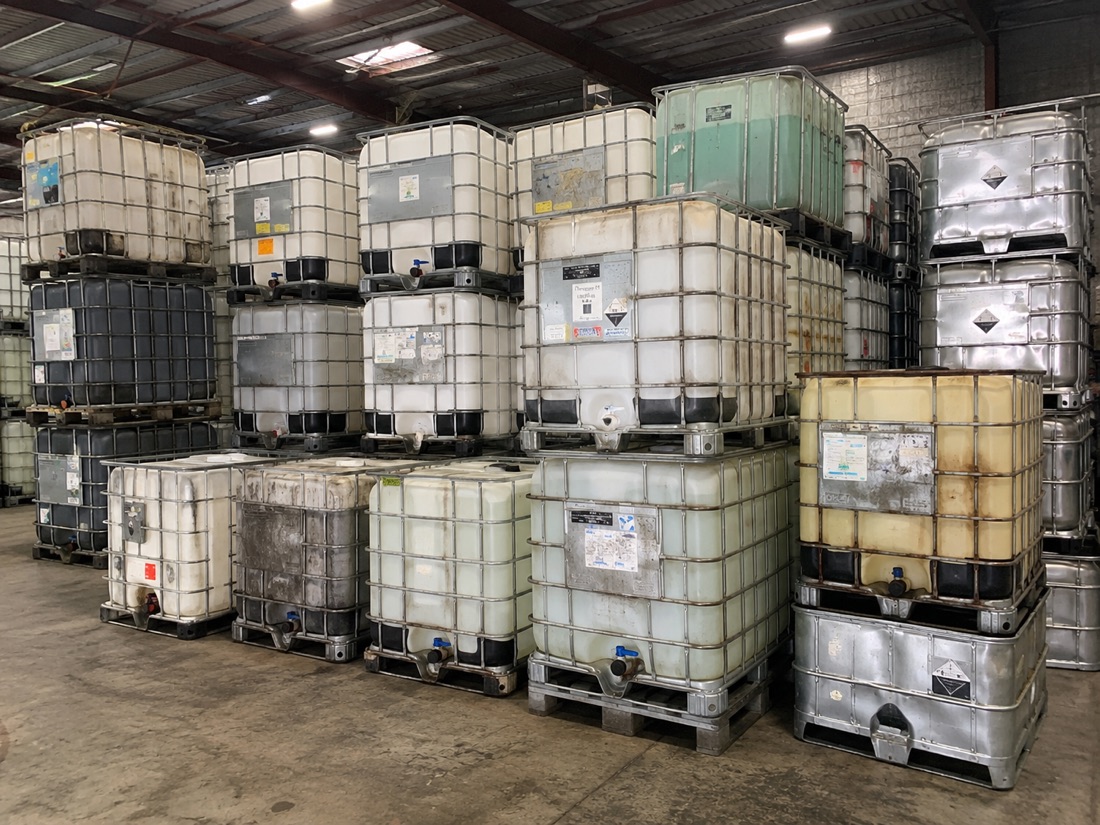
| Cosmetic condition | Pristine | Good to like-new by grade |
| Suitability for most storage | Yes | Yes |
| Suitability for sensitive food/pharma | Yes | Case by case |
| Embodied carbon | High | 60 to 80 percent lower |
For the large majority of uses, water storage, non-hazardous product, agriculture, cleaning solutions, rainwater, and countless industrial liquids, a properly reconditioned tote performs identically to new. You are paying a premium for cosmetics and prior-contents certainty you may not need.
When reconditioned wins clearly
- Storage of non-sensitive liquids. Water, wash solutions, many chemicals within HDPE compatibility. The reconditioned unit does the same job for less.
- DIY and upcycling. Rainwater, aquaponics, gardens. Paying new-tote money for a rain barrel makes no sense.
- High-volume, cost-driven operations. When you need dozens of totes, the per-unit savings compound fast.
- Anything with a sustainability mandate. The lower embodied carbon is a real, reportable win.
When new is the smarter buy
I will be direct: sometimes you should spend more.
- Sensitive food, beverage, or pharmaceutical applications where prior-contents certainty must be absolute rather than verified-by-grade.
- Regulated hazardous transport where you need a fresh UN certification date and the full 5-year service window.
- Long-term single-owner deployments where you will use the tote for years and cosmetic perfection or warranty coverage matters.
- Cases where downtime is catastrophic and you want zero variability in the unit.
In these situations the premium on a new tote buys down real risk, and that is money well spent. The skill is knowing which bucket your application falls in.
The right question is never "what is cheapest?" It is "what is the least I can spend without adding risk my application cannot tolerate?" For most uses that answer is reconditioned. For a few it is new.
The end-of-life value most people forget
Here is the factor that quietly tips ROI further toward reuse: a tote has value even when you are done with it. A sound cage, pallet, and bottle are worth money back to the reuse stream. Our buying service purchases qualifying used totes, which means the container you bought reconditioned can be sold back rather than paid to dispose of. That residual value shrinks your true net cost in a way a landfill-bound package never can.
Run the full loop and the economics get lopsided:
- Buy reconditioned at 40 to 60 percent below new.
- Use it across many cycles at the same performance as new.
- Sell it back into the reuse stream at end of life.
- Bank the lower embodied carbon as a reporting win.
How to decide in five minutes
- List your application's real requirements, not aspirational ones. Does it truly need virgin plastic, or does it need a sound, clean container?
- Match to a grade using our grades reference, so you buy exactly the condition you need.
- Size correctly with the size guide and estimate volume with the calculator.
- Factor resale back into net cost through our buying service.
- Weigh the carbon if it matters to you; the sustainability page has the numbers.
For most buyers, this exercise lands on reconditioned, and that is genuinely the right answer, not just the cheaper one. For the minority whose application demands new, the premium is worth every dollar. If you want a specific comparison run against your volumes and product, tell us the details through contact and we will give you the honest number, whichever way it points.