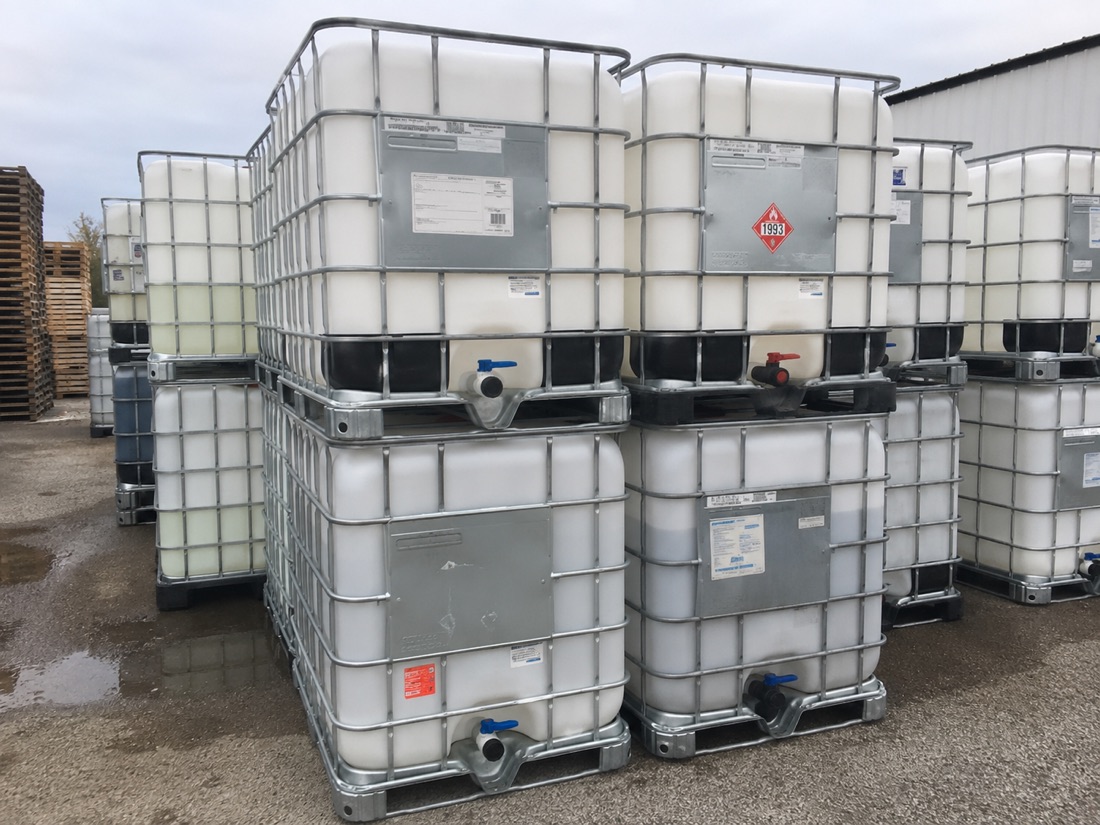
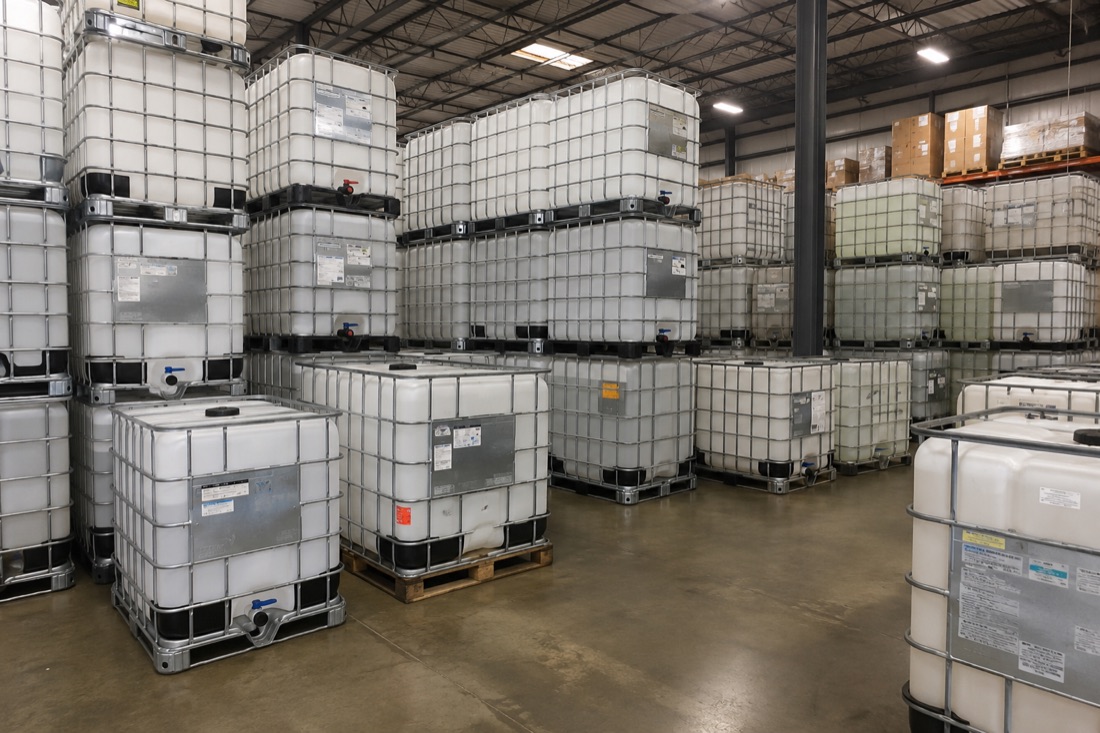
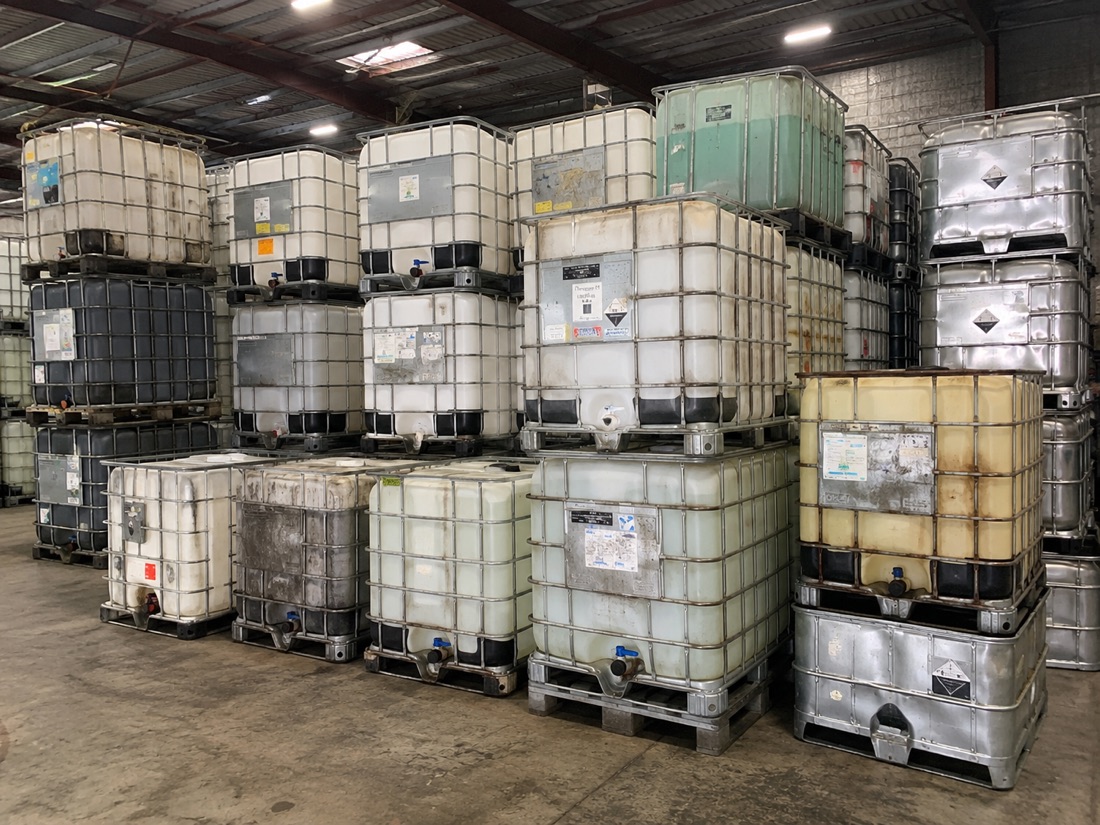
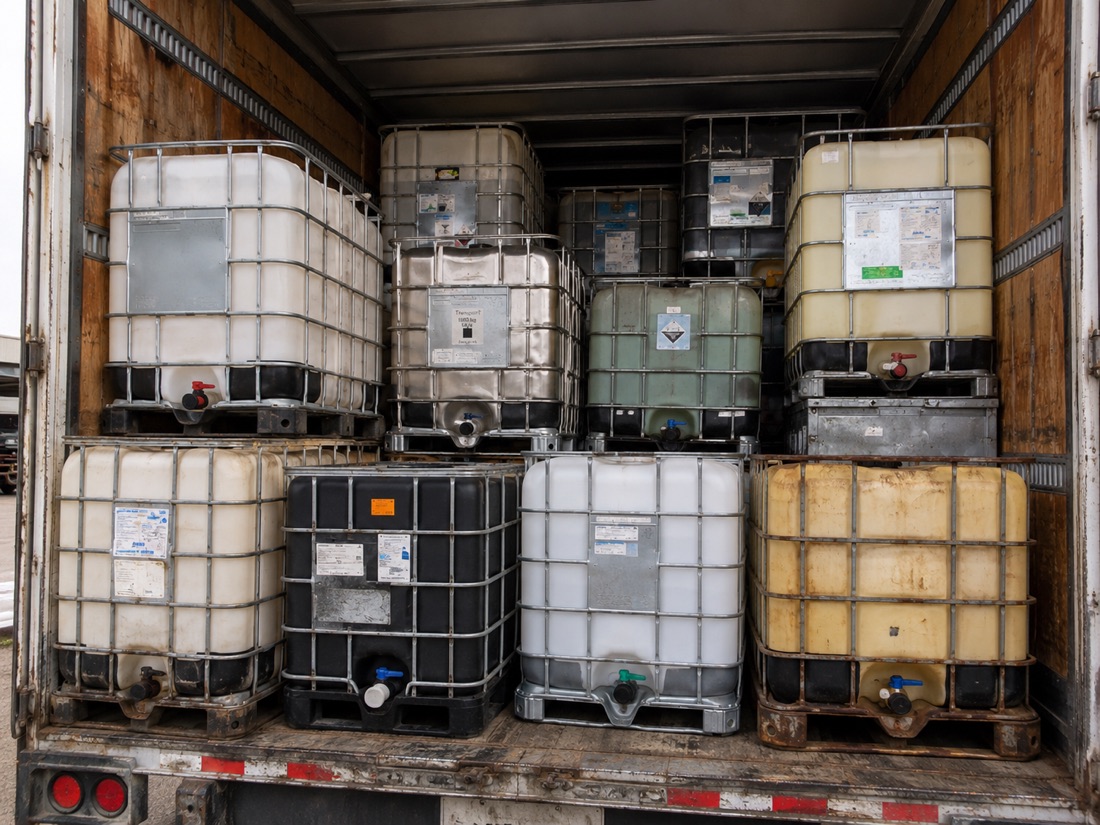
The five-year number and why it misleads
Ask a manufacturer how long an IBC lasts and you will often hear "five years." That figure comes from the standard service life stamped for the certified transport of hazardous goods, and for regulated dangerous-goods shipping it is a hard line. But it tells you almost nothing about how long the physical container will hold liquid safely.
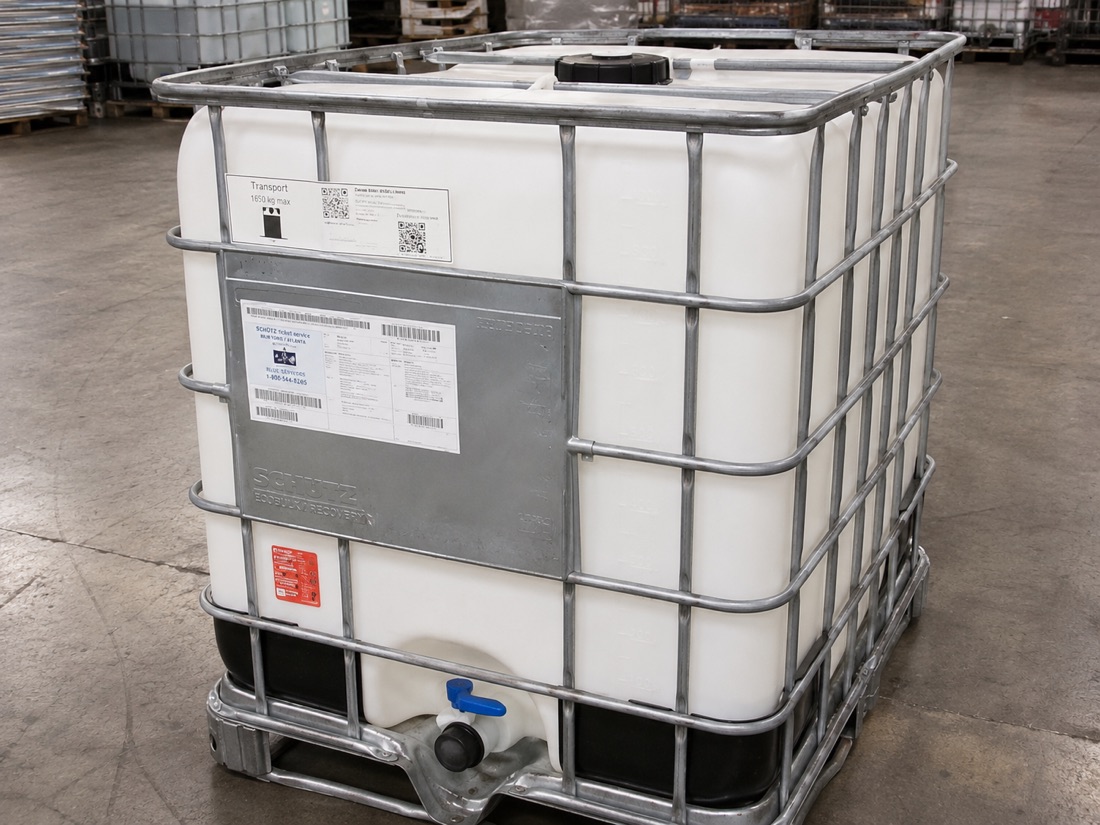
A composite IBC is not a carton of milk with an expiration date. It is a durable good whose life is governed by what it carried, how it was handled, and how it was stored. We have pressure-tested composite bottles well past a decade that were still leak-tight, and we have condemned units barely a year old that were cooked, dropped, and left to bulge. The date on the plate is a regulatory milestone, not a physical death sentence.
The calendar retires a tote for hazmat service. Physics decides when it actually stops holding liquid.
The three things that age a tote
Three forces do almost all the damage. Understand them and you can predict a tote's remaining life better than any date stamp.
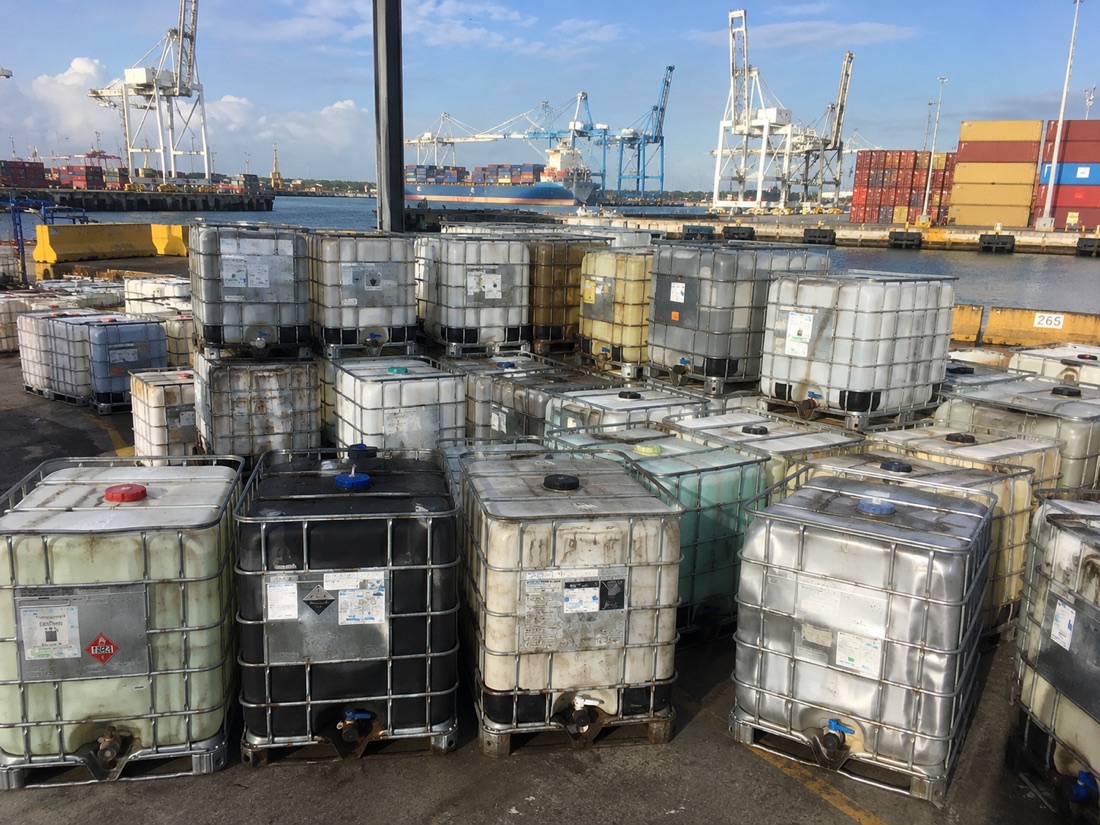
UV exposure. HDPE degrades under ultraviolet light. A tote stored outdoors in direct sun chalks, loses flexibility, and eventually cracks under load. The same tote kept indoors can outlast it by years. In Austin, unshaded outdoor storage is the single fastest way to kill a bottle.
Chemical attack. Some products are gentle on HDPE and some slowly break it down through swelling, stress cracking, or permeation. A tote that spent its life carrying water and a mild surfactant ages very differently from one that held aggressive solvents.
Mechanical stress. Every forklift bump, hard set-down, over-tall stack, and freeze-thaw cycle adds micro-damage. Cages bend, welds fatigue, and bottles develop stress whitening at the corners. Handling, more than anything, separates the ten-year totes from the ten-month ones.
Life stage by life stage
A tote passes through recognizable stages, and reconditioning resets the clock on several of them.
| Stage | Typical condition | Best use |
|---|---|---|
| New | Certified, pristine | Food-grade, regulated, sensitive product |
| First reconditioning | Cleaned, tested, minor wear | General industrial liquids |
| Later cycles | Sound bottle, cosmetic wear | Non-critical liquids, storage |
| Retired for liquids | Cage or bottle compromised | Repurposing, non-contact reuse |
| End of material life | Beyond repair | Recycling into feedstock |
The key insight is that most totes move down this ladder one rung at a time, and each rung is still useful. A tote that can no longer be certified food-grade is still a perfectly good rainwater or industrial-liquid vessel. That is why our reconditioned IBC totes exist as a distinct product tier, and why a retired one still feeds our repurposed line rather than a dumpster.
How reconditioning extends the clock
Reconditioning is the reason a composite tote can serve for a decade or more instead of a single trip. In our shop a returning unit goes through a defined sequence.
- Intake inspection. We log the cage condition, bottle clarity, and any prior product markings.
- Cleaning. Depending on grade, this ranges from a triple hot rinse to full caustic wash, matched to the next intended use.
- Pressure and leak test. The bottle is checked for weeping seams, pinholes, and valve integrity. A bottle that fails here is condemned for liquids.
- Component replacement. Gaskets, caps, and valves are the wear items; swapping them is routine and cheap relative to the tote's value.
- Cage repair. Minor frame tweaks are corrected; a cracked weld pulls the unit from certified service.
- Re-grade and label. The unit is assigned a grade reflecting exactly what it is cleared to hold next.
Each pass through this sequence can add years, because it catches the small failures before they become spills and it replaces the parts that wear before the parts that do not.
Reading a tote's remaining life
You can estimate a used tote's future without any test equipment.
- Look at the bottle color and clarity. A cloudy, chalky, or deeply stained bottle has seen hard chemistry or hard sun. A clear, supple bottle has plenty left.
- Flex a corner. Sound HDPE gives a little. Brittle plastic that resists and shows white stress lines is near the end.
- Inspect the cage welds. Rust bloom is cosmetic; cracked or reground welds are structural and disqualifying for stacking or transport.
- Check the valve and gasket. These are replaceable, so a bad valve does not condemn a good bottle. Do not let a cheap part scare you off a sound unit.
For hazardous-goods service, the regulatory date and required periodic testing govern, full stop. Our safety resource walks through when a certification actually matters versus when you are free to judge a tote on its physical merits.
The ecology of a long life
Here is the part that ties back to why any of this matters. Manufacturing a new composite IBC consumes petroleum feedstock, energy, and steel. Every additional cycle you get from an existing tote spreads that manufacturing footprint across more useful gallons moved.
A tote that serves ten years instead of one is not ten times cheaper by accident; it is displacing nine new totes that never had to be made. That is the leverage point. The longest-lasting tote is the greenest tote, and the difference between a ten-month unit and a ten-year unit is almost entirely how it was handled and whether someone bothered to recondition it instead of scrapping it.